CNA Explains: Why Russia’s nuclear-capable hypersonic Oreshnik missile is drawing attention in the Ukraine war
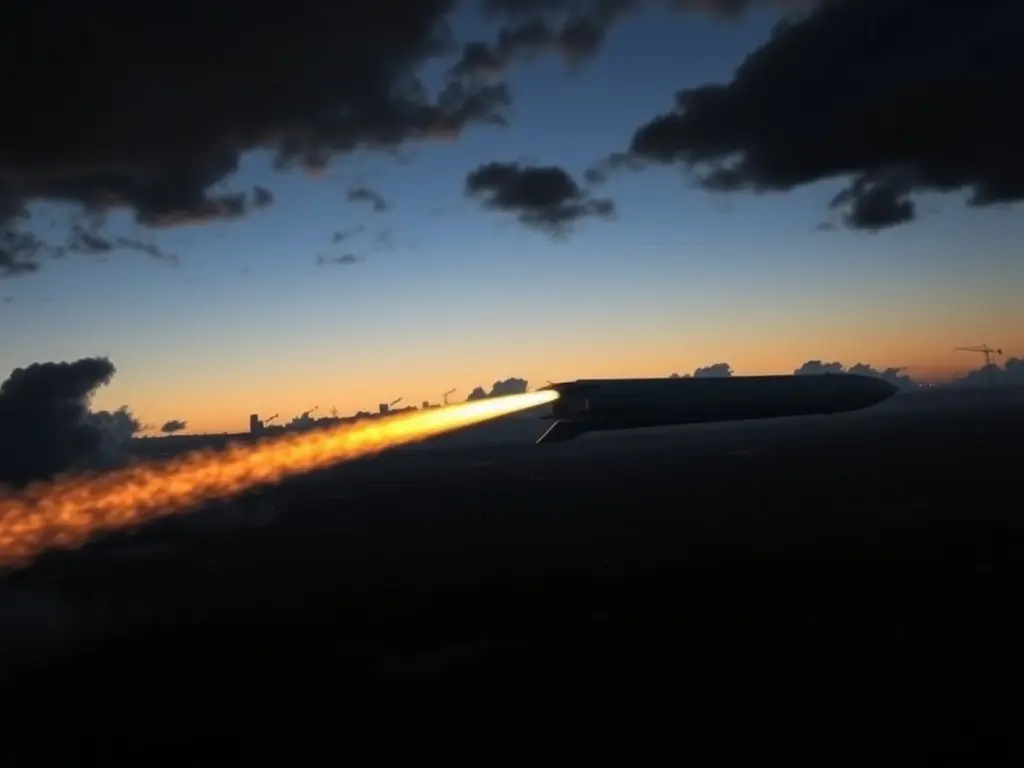
Russia launched its nuclear-capable hypersonic Oreshnik missile at Ukraine on May 24, marking the third use of the weapon in 2024, as analysts highlight its unprecedented speed, range, and destructive potential. The missile, capable of striking targets across Europe in minutes and delivering up to 36 submunitions, has raised concerns due to its ability to evade interception and its potential nuclear payloads.
Russia fired its nuclear-capable hypersonic Oreshnik missile at Ukraine on May 24, the third reported deployment of the weapon in 2024. Ukrainian officials confirmed the strike as part of a large aerial barrage on Kyiv, underscoring Moscow’s escalating use of experimental weapons in the war. The Oreshnik, an intermediate-range ballistic missile (IRBM) with a range of 3,000km to 5,500km, can reach speeds of up to Mach 11 (13,580km/h). Russian state media claims it can strike NATO’s headquarters in Brussels in 17 minutes and is designed to evade interception. President Vladimir Putin has stated its destructive elements could reach temperatures near the surface of the sun, reducing targets to dust. The missile features a Multiple Independently Targetable Re-entry Vehicle (MIRV) system, allowing it to split into six warheads, each carrying six submunitions—potentially delivering 36 strikes in a single attack. Military experts warn its speed and warhead design make it extremely difficult to intercept, even with conventional payloads. Ukraine’s military intelligence describes it as a ‘one air raid’ missile capable of devastating multiple targets simultaneously. The Oreshnik is derived from Russia’s RS-26 Rubezh intercontinental ballistic missile and is classified as experimental by the US Department of Defense. Putin has claimed it can destroy underground bunkers and penetrate missile defense systems, amplifying concerns about its deployment in the conflict. Analysts emphasize the Oreshnik’s combination of speed, range, and destructive capacity as its most concerning traits. Its hypersonic capabilities and potential nuclear payloads make it a game-changer in modern warfare, prompting global attention to its use in Ukraine.
This content was automatically generated and/or translated by AI. It may contain inaccuracies. Please refer to the original sources for verification.