Consumer sentiment falls to record low as Iran war fuels inflation fears
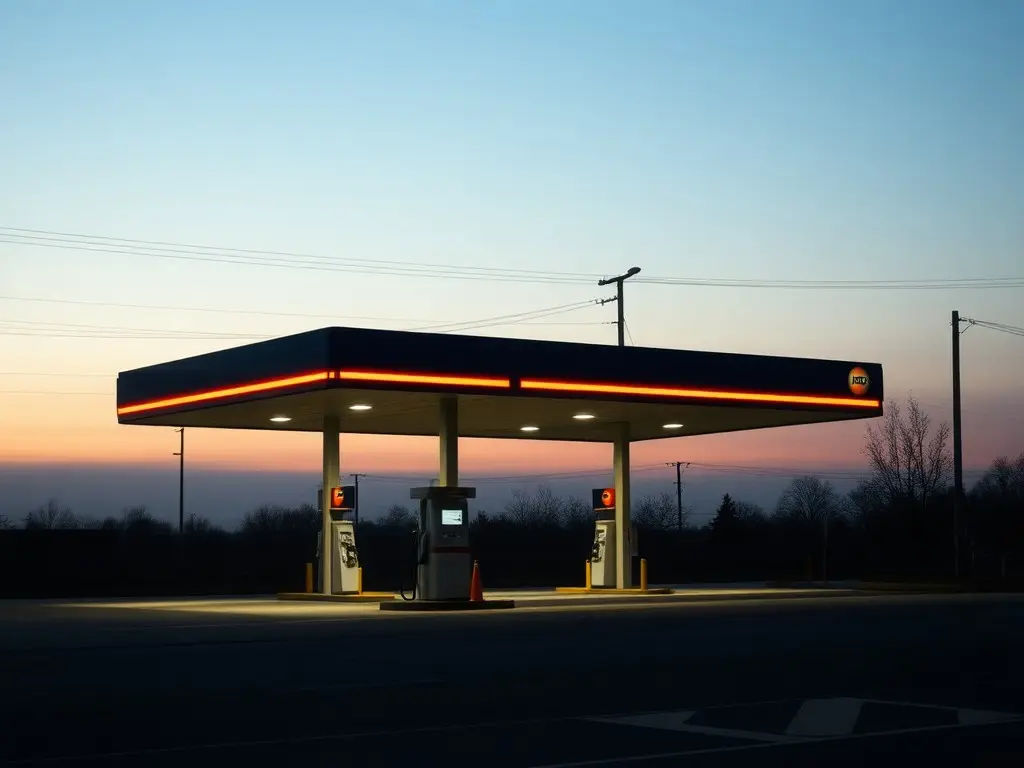
The University of Michigan’s Index of Consumer Sentiment plunged to a historic low of 44.8 in May 2026, driven by soaring gasoline prices linked to the Iran conflict disrupting the Strait of Hormuz. Year-ahead inflation expectations remained elevated at 4.5%, reflecting persistent economic anxiety among Americans as energy costs erode disposable income and spending power.
The University of Michigan’s Index of Consumer Sentiment hit 44.8 in May 2026, the lowest reading in its 74-year history, marking a 10% decline from April’s revised figure of 49.8. The drop reflects growing economic pessimism among Americans, with gasoline prices identified as the top concern by one-third of survey respondents. The decline in consumer sentiment is directly tied to the Iran conflict, which has disrupted oil flows through the Strait of Hormuz—a critical global energy chokepoint. Rising energy costs are not only increasing household expenses but also fueling broader inflationary pressures, as higher fuel prices ripple through supply chains, shipping, and manufacturing. Year-ahead inflation expectations remained high at 4.5% in May, down slightly from April’s 4.7%, but still signaling deep economic unease. Joanne Hsu, director of the University of Michigan’s Surveys of Consumers, noted that persistent geopolitical shocks to energy prices are keeping consumer confidence vulnerable, with little relief expected until fuel costs stabilize. The impact of elevated gas prices extends beyond household budgets, creating uncertainty about future economic conditions. When consumers anticipate rising costs, they reduce spending on discretionary items, further weakening economic activity. The trend has worsened since the Iran conflict escalated in early 2026, with each month of high prices deepening financial strain and eroding confidence. Consumer sentiment serves as a leading economic indicator, influencing spending and investment decisions. As households cut back due to financial stress, businesses may face reduced demand, potentially triggering broader economic slowdowns. The current reading suggests worsening conditions rather than stabilization, raising concerns about sustained economic weakness.
This content was automatically generated and/or translated by AI. It may contain inaccuracies. Please refer to the original sources for verification.