Coral scientists fear bleaching El Nino could bring devastation
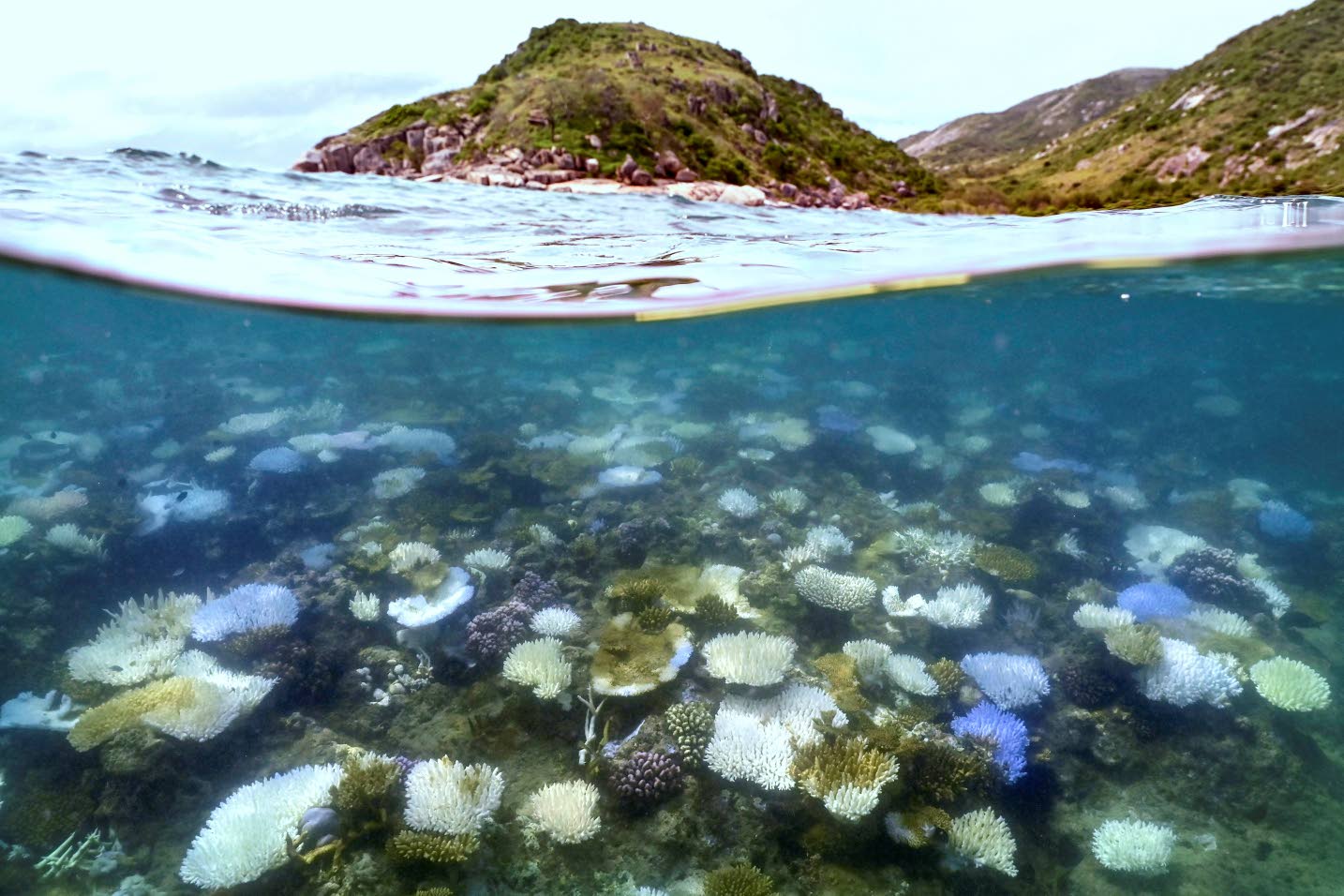
Scientists warn that an impending strong El Niño event could trigger catastrophic coral bleaching worldwide, following recent mass die-offs like the 2024 global bleaching event that devastated reefs such as Australia’s Great Barrier Reef and Caribbean corals. Rising sea temperatures, exacerbated by climate change, threaten to push already weakened reefs beyond recovery, with experts emphasizing that current mitigation efforts only provide temporary relief.
Forecasters predict a powerful El Niño weather system this year, which could devastate coral reefs already weakened by consecutive bleaching events. El Niño disrupts normal weather patterns, raising seawater temperatures and reducing cloud cover—conditions that trigger coral bleaching, where algae essential to coral survival are expelled, leaving the reefs white and starving. The last global mass bleaching event occurred in 2024, with the Caribbean experiencing functional extinction of some coral species and Australia’s Great Barrier Reef losing 15 to 40 percent of its coral cover between 2024 and 2025. Scientists warn that even resilient coral cannot offset these losses, and repeated bleaching events push reefs toward irreversible decline. Clint Oakley, a coral scientist at Victoria University of Wellington, described the situation as ‘serious and devastating,’ noting that every global bleaching event has coincided with El Niño years. Jen Matthews, a coral scientist at the University of Technology Sydney, explained that prolonged heat stress leads to coral starvation and death, while rapid cooling may allow limited recovery but leaves reefs malnourished and vulnerable. Experts are testing interventions like nutritional gels, shading techniques, and genetic engineering to protect reefs, though these measures only buy time. Kimberley Reid, a research fellow at the University of Melbourne, cautioned that while El Niño is likely, its strength and duration remain uncertain, with local ocean conditions also playing a critical role. Even without El Niño, coral reefs face dire long-term prospects, with up to 50 percent of the world’s coral lost in recent decades due to rising sea temperatures driven by climate change.
This content was automatically generated and/or translated by AI. It may contain inaccuracies. Please refer to the original sources for verification.