Cover Crop Project Links Farming, Research for Soil, Water
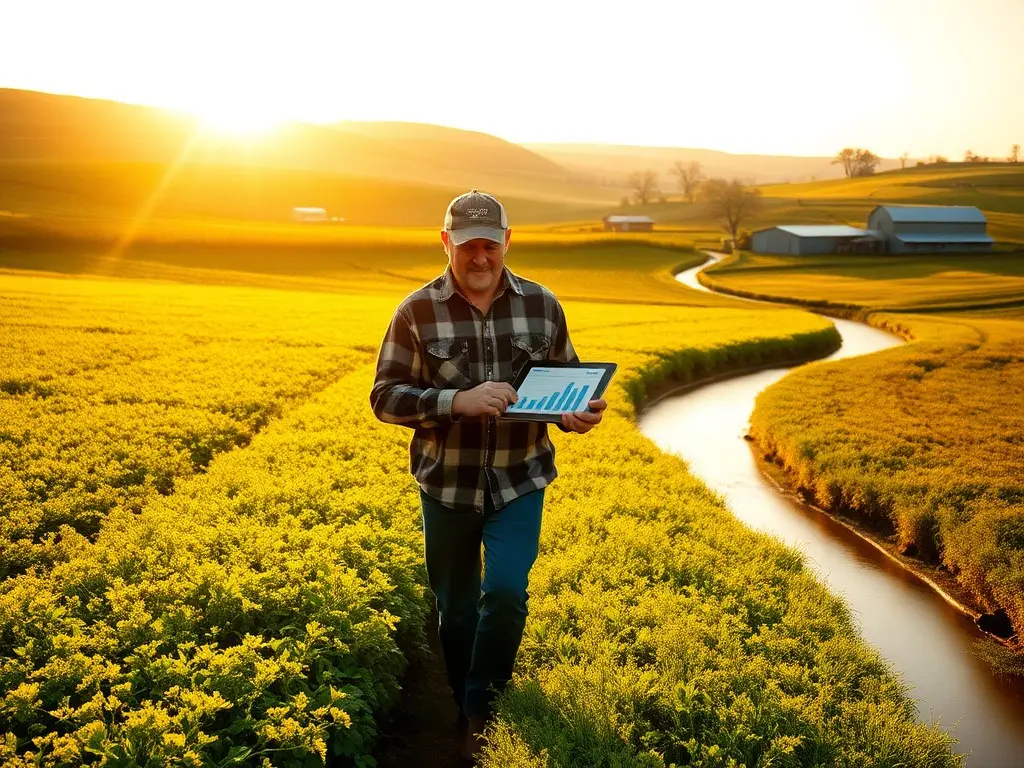
The Great Lakes Cover Crops Project, launched five years ago by the University of Michigan, has enrolled over 225 farmers across six states to study cover cropping methods in nearly 600 fields, with 158 in Michigan. The initiative aims to improve soil health, reduce fertilizer runoff, and provide farmers like David Halsey with data-driven insights through a prototype app launching this summer with support from the Minnesota Pollution Control Agency.
A research project initiated at the University of Michigan has expanded into a regional effort to promote cover cropping among farmers in the Great Lakes region. The Great Lakes Cover Crops Project, launched about five years ago, now includes 225 farmers from six states who have enrolled nearly 600 fields, with Michigan leading at 158 fields. Farmers like David Halsey of Adrian have integrated cover crops such as hairy vetch and crimson clover into their fields after harvest to improve soil quality and reduce fertilizer runoff into waterways. The project was spearheaded by Etienne Sutton, a doctoral student under Jennifer Blesh, then an associate professor at the U-M School for Environment and Sustainability. With support from Michigan Agricultural Advancement, the team recruited farmers to contribute data on cover cropping practices, addressing the complexity of selecting optimal crops, planting times, and methods for different soil and climate conditions. Cover cropping offers benefits like enhanced soil health and reduced environmental impact, but adoption remains low due to the challenges farmers face. The project provides a network of researchers and peers to share insights, with data showing mixed cover crops often yield greater benefits than single-species plantings. This summer, the team will launch a prototype app, funded by the Minnesota Pollution Control Agency, to deliver real-time cover crop data to farmers. Halsey, who operates Halsey Farms—a 600-acre operation growing corn, wheat, and beans—joined the project to learn about regenerative farming. He had already earned state and federal certifications for eco-friendly practices. The project’s collaborative approach, where researchers analyze fields and share findings, has made cover cropping more accessible for farmers like him. The initiative has compiled a growing database of cover cropping strategies, helping farmers make informed decisions. By connecting research with on-farm practices, the project aims to balance agricultural productivity with environmental stewardship across the Great Lakes region.
This content was automatically generated and/or translated by AI. It may contain inaccuracies. Please refer to the original sources for verification.