Crash Study Finds Women Face 60% Higher Injury Risk In Cars
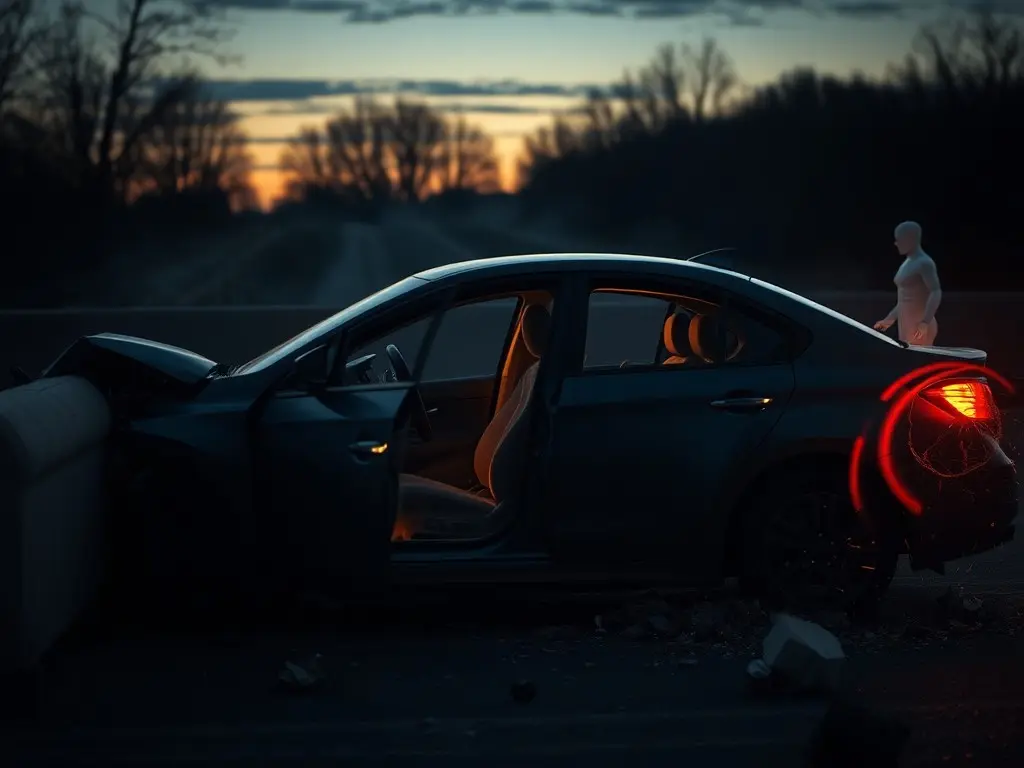
A study by Graz University of Technology found women face a 60% higher injury risk in car crashes than men due to anatomical differences, using Austrian crash data from 2012–2024. Researchers highlight outdated crash-testing standards, which historically relied on scaled-down male dummies, and note advancements like the THOR 05F dummy and Volvo’s adaptive seatbelts to address the gap.
A new study from Graz University of Technology reveals women are 60% more likely to suffer injuries in car crashes than men, despite recent safety improvements. Researchers analyzed Austrian crash data from 2012 to 2024 and found that biological differences—such as pelvic structure, chest shape, and spinal motion—make women more vulnerable to trauma in collisions, particularly older women. The safety disparity stems from decades of crash-testing standards designed around the average male body. Traditional female dummies were scaled-down male figures, failing to represent 95% of real women. Women’s seating positions, such as reclining further back, also reduce the effectiveness of airbags and seatbelts. Regulators and automakers are now addressing the issue. The U.S. introduced the THOR 05F crash-test dummy, which uses realistic female anatomy and advanced sensors to measure impact accurately. Meanwhile, Volvo’s EX60 features a multi-adaptive safety belt that adjusts in real time based on occupant size and posture. The automotive industry has historically solved safety challenges when pushed, but the delay in addressing gender-specific risks is unacceptable. Researchers warn that even minor manufacturing oversights can compromise safety, citing recent recalls and flaws in electronic door mechanisms as examples of ongoing risks. As technology evolves, regulators must ensure new safety standards prevent biases while mitigating emerging hazards. The study underscores the need for comprehensive, forward-thinking safety measures to protect all drivers equally.
This content was automatically generated and/or translated by AI. It may contain inaccuracies. Please refer to the original sources for verification.