Cristina Fernández de Kirchner and the conviction that changed Argentine politics, one year on
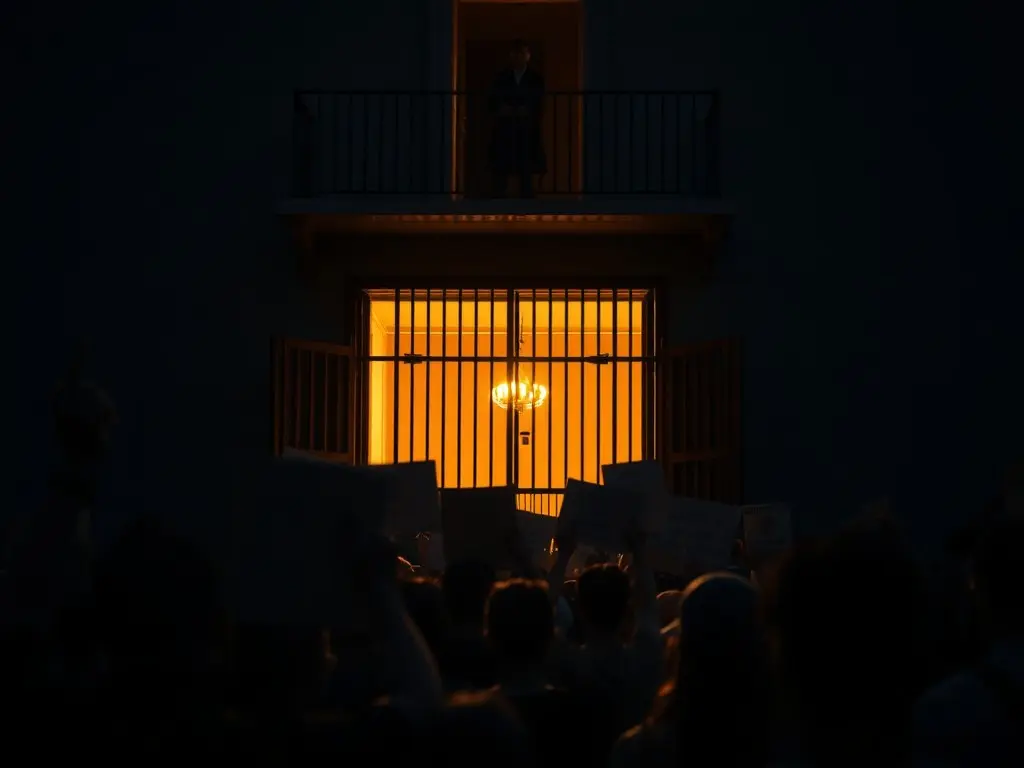
Former Argentine President Cristina Fernández de Kirchner marks one year in prison after her conviction in the '*Vialidad*' corruption case, with supporters calling her six-year house arrest sentence a political move. She faces additional trials, including the '*Cuadernos*' and 'Hotesur-Los Sauces' graft cases, while her son Máximo Kirchner demands her eligibility for upcoming elections, accusing authorities of suppressing her political rights.
Former Argentine President Cristina Fernández de Kirchner began serving a six-year house arrest sentence on June 10, 2024, one year ago, following her conviction in the '*Vialidad*' corruption case. Argentina’s Supreme Court upheld her sentence, barring her from public office but rejecting criminal association charges sought by prosecutors Diego Luciani and Sergio Mola. The ruling triggered accusations from her allies of 'political proscription,' with Fernández de Kirchner’s son, national deputy Máximo Kirchner, vowing to challenge the decision to prevent her exclusion from elections. Fernández de Kirchner remains under strict house arrest in Buenos Aires City, wearing an electronic ankle monitor even indoors. Her detention conditions tightened after she hosted economists at her home last November, reducing visitor hours to four per week—a move Máximo Kirchner condemned as an 'abuse of power.' Despite the restrictions, Fernández de Kirchner has continued to engage in political commentary, criticizing President Javier Milei’s government through social media. She faces three additional trials: the '*Cuadernos*' corruption case, the upcoming 'Hotesur-Los Sauces' graft case, and the 'Memorandum of Understanding with Iran' proceedings. Prosecutors allege wrongdoing in each, though her legal team has yet to address these charges publicly. Fernández de Kirchner had announced her intention to run for a seat in the Buenos Aires Province legislature before her imprisonment, a goal her supporters now prioritize. Máximo Kirchner reiterated his family’s stance, insisting, 'We are going to fight every battle that needs to be fought' to restore his mother’s electoral rights. Supporters argue her detention undermines democratic principles, framing her conviction as politically motivated. The case has become a flashpoint in Argentina’s 2025 electoral landscape, with Fernández de Kirchner’s legal battles shaping public debate over judicial independence and political fairness.
This content was automatically generated and/or translated by AI. It may contain inaccuracies. Please refer to the original sources for verification.