Crude drops below $80 per barrel on US-Iran deal
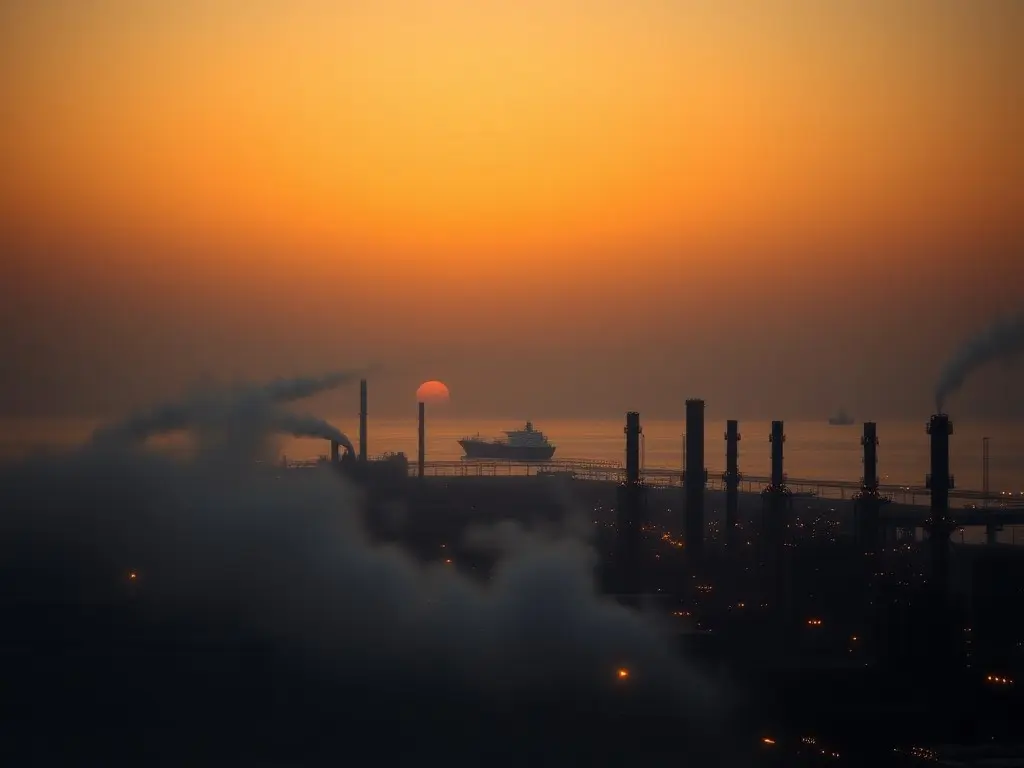
Oil prices fell below $80 per barrel on Tuesday due to optimism over a potential US-Iran deal easing sanctions and reopening the Strait of Hormuz, with Brent at $78.96 and WTI at $76.05. The Philippines welcomed the deal, citing hopes for lasting peace, while analysts warned tight market conditions may persist despite the price drop.
Oil prices dropped below $80 per barrel on Tuesday, driven by optimism over a potential US-Iran deal to ease sanctions and reopen the Strait of Hormuz. The Wall Street Journal reported Washington may lift restrictions on Iranian crude exports, allowing immediate sales of oil and refined products. Brent crude fell 5.1% to $78.96 per barrel, while West Texas Intermediate declined 5.8% to $76.05. Experts cautioned that restoring full operations in the strait will take time, though markets reacted positively compared to fears of prolonged conflict. Iranian media confirmed three oil tankers and two cargo ships had already passed through the strait, signaling early progress. The Philippines welcomed the deal, calling it a step toward permanent cessation of hostilities and praising regional mediators like Pakistan, Qatar, and Saudi Arabia. The conflict had caused economic and humanitarian damage, including civilian casualties and global supply disruptions. Meanwhile, Wall Street saw mixed movements, with the Dow hitting a second consecutive record close while the S&P 500 and Nasdaq retreated. European markets closed higher, though some indices like London’s FTSE 100 remain below pre-war levels. Analysts noted a potential 'peace dividend' for markets despite unresolved tensions. The Federal Reserve and Bank of England are expected to keep interest rates steady amid economic fallout from the war. Japan raised rates to their highest level since 1995, while Elon Musk’s SpaceX surged over 17% before settling 5% higher, briefly surpassing Amazon in market value. Analysts warned oil market conditions may stay tight for weeks or months, even as prices stabilize. Central bank decisions and regional geopolitics will continue shaping global economic trends.
This content was automatically generated and/or translated by AI. It may contain inaccuracies. Please refer to the original sources for verification.