Curiosity rover detects building blocks of life in first-ever experiment on Mars
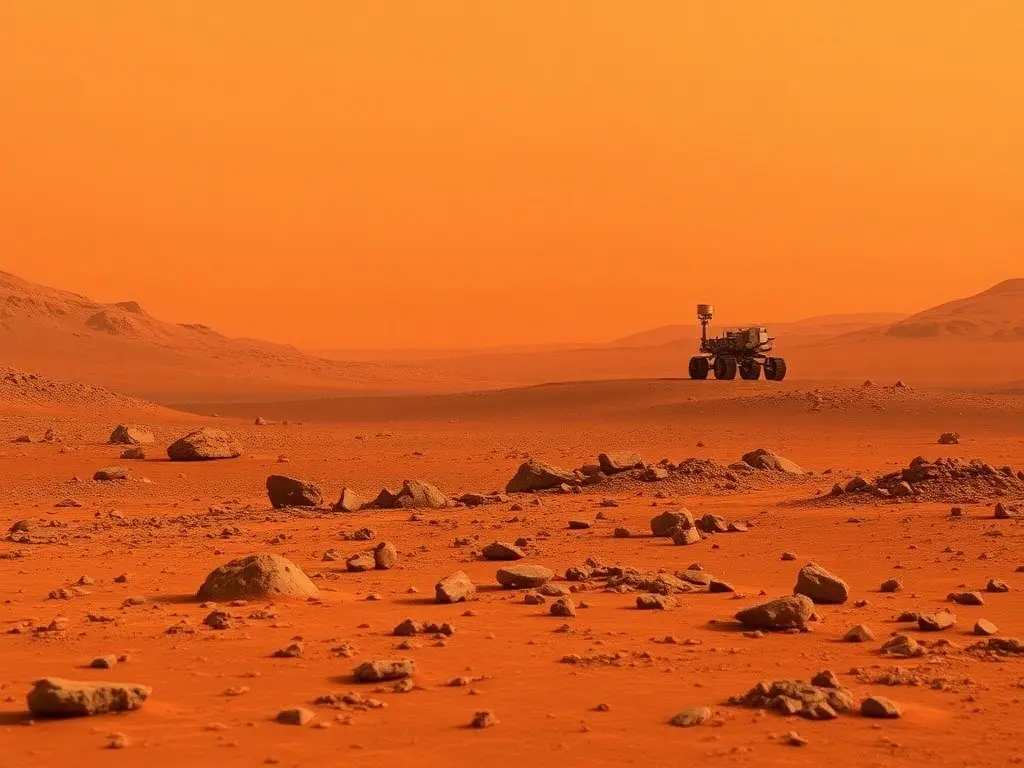
NASA's Curiosity rover detected diverse organic molecules on Mars, including seven previously unknown, which are the building blocks of life. The findings support the idea that Mars was once habitable and highlight the need to return Martian rock samples to Earth to determine if life existed.
NASA's Curiosity rover has uncovered a diverse array of organic molecules on Mars, including seven that were previously unknown. The carbon-containing compounds are the building blocks of life and have been preserved on Mars for 3.5 billion years. The discovery was made using a first-of-its-kind experiment where the rover collected a rock sample, dissolved it in a chemical solution, and analyzed its composition. The findings were published in the journal Nature Communications. The research team believes the organic molecules support the search for habitable environments on Mars. The Curiosity rover landed on Mars in 2012 and has been exploring Gale Crater, where it discovered evidence of ancient lakes and mudstones. The rover's Sample Analysis at Mars instrument was used to detect the gases released by minerals as they broke down due to heat.
This content was automatically generated and/or translated by AI. It may contain inaccuracies. Please refer to the original sources for verification.