Daddy longlegs spiders shock scientists as they gobble up unusual prey like ‘gummy bears’
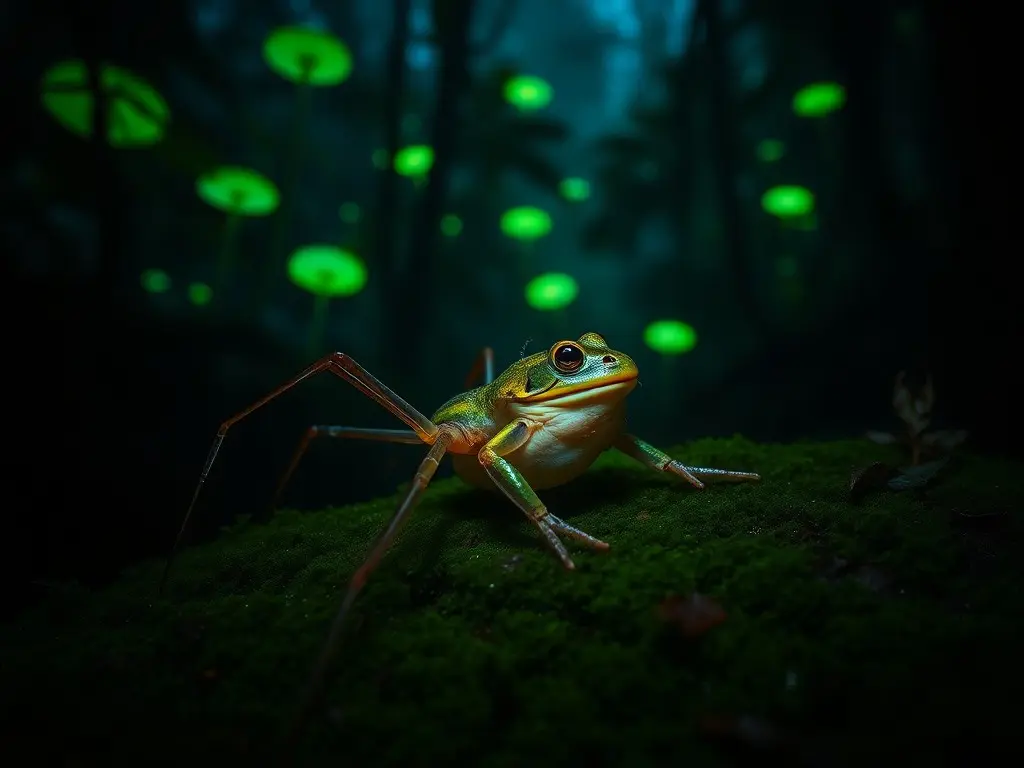
Researchers documented daddy longlegs spiders (harvestmen) in South America preying on small frogs larger than themselves, challenging traditional predator-prey dynamics. The study, published in *Ecology and Evolution*, suggests these spiders use physical restraint rather than venom to capture slippery amphibians, possibly targeting injured or slow-moving prey in tropical forests.
A new study published in *Ecology and Evolution* reveals that daddy longlegs spiders—specifically harvestmen—are hunting and consuming small frogs in South America, a behavior previously unknown to science. Researchers analyzed ten reports, including field observations and citizen science submissions from iNaturalist, documenting cases where these spiders captured frogs up to 1.29 times their own size. The findings surprised scientists, as harvestmen were long believed to feed primarily on insects and invertebrates. Study co-author Luís Fernando García, a biologist at the University of the Republic in Uruguay, noted that the team did not expect these spiders to be capable of capturing live frogs. Lizardo Proaño, a naturalist guide and co-author, initially dismissed the sight of a harvestman eating a frog as normal, comparing the amphibians to 'gummy bears' due to their soft, scale-less bodies. Unlike venomous spiders, harvestmen lack the ability to subdue prey chemically, leading researchers to speculate that they rely on their strong pedipalps and spiny mouthparts to restrain slippery frogs. Some cases involved frogs that appeared injured or slow-moving, suggesting these spiders may target vulnerable prey. Esteban Calvache, a biologist at Mashpi Lodge and study author, proposed that harvestmen—known for their varied diet—simply exploit the abundance of amphibians in tropical ecosystems. The study also highlights that tropical harvestmen species are bulkier than their temperate counterparts, potentially requiring larger prey to sustain their size. Further research is needed to confirm the frequency and methods of this predatory behavior. The discovery adds to a broader pattern of arthropods preying on vertebrates, as seen with the Goliath bird-eating spider, which consumes mice and birds in South American jungles.
This content was automatically generated and/or translated by AI. It may contain inaccuracies. Please refer to the original sources for verification.