Damming the Nile and the devastating cost of human progress
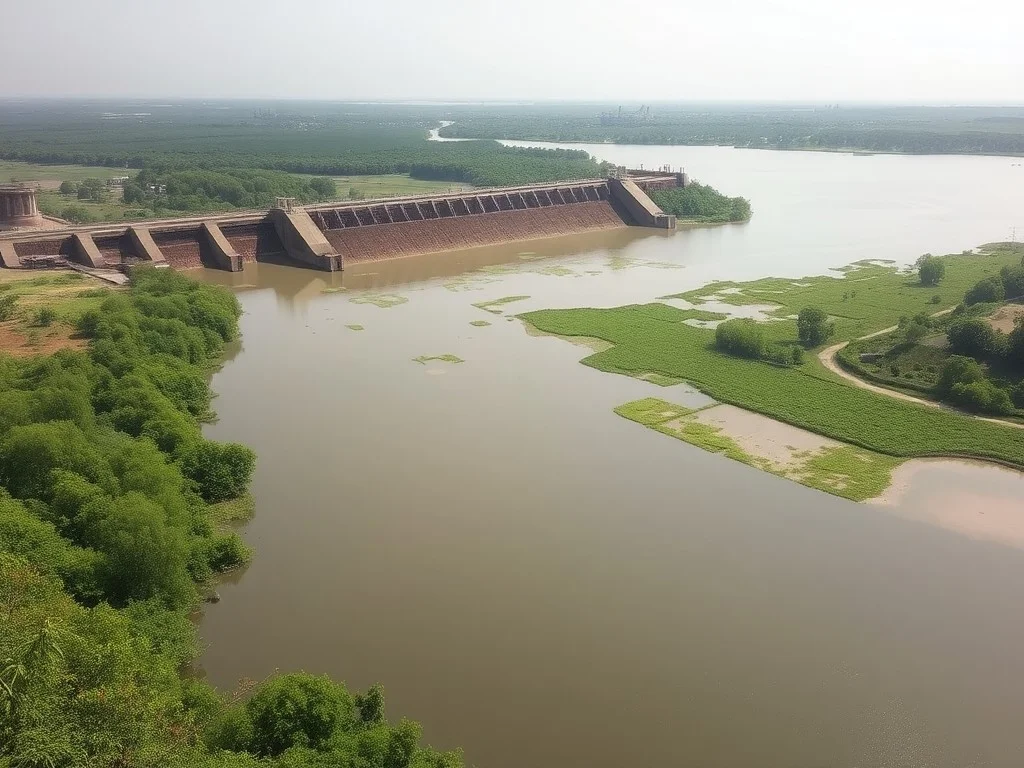
The construction of dams on the Nile River in Egypt led to widespread illness, including schistosomiasis, due to the alteration of the natural flood cycle and the creation of stagnant water bodies. Associate Professor Jennifer Derr will discuss the devastating cost of human progress on public health in her upcoming lecture, exploring the global history of medicine and the impact of massive infrastructure projects on rural communities.
The Nile River's annual flood cycle once supported Egyptian agriculture, but the British occupation in 1882 led to a massive dam-building project. This altered the landscape and exposed rural Egyptians to deadly parasitic diseases. The construction of canals for irrigation created sites for constant use and exposure, but also became repositories for waste and breeding grounds for harmful parasites. Freshwater snails thrived in these canals, facilitating the transmission of schistosomiasis. Attempts to control illness often worsened the problem, with poorly sterilized syringes spreading hepatitis B and C. The Egyptian state's efforts to treat parasitic disease through environmental chemicals and mass treatment campaigns had drastic implications for public health.
This content was automatically generated and/or translated by AI. It may contain inaccuracies. Please refer to the original sources for verification.