Dangerous humidity is increasing in the Midwest and South, putting farmworkers at risk
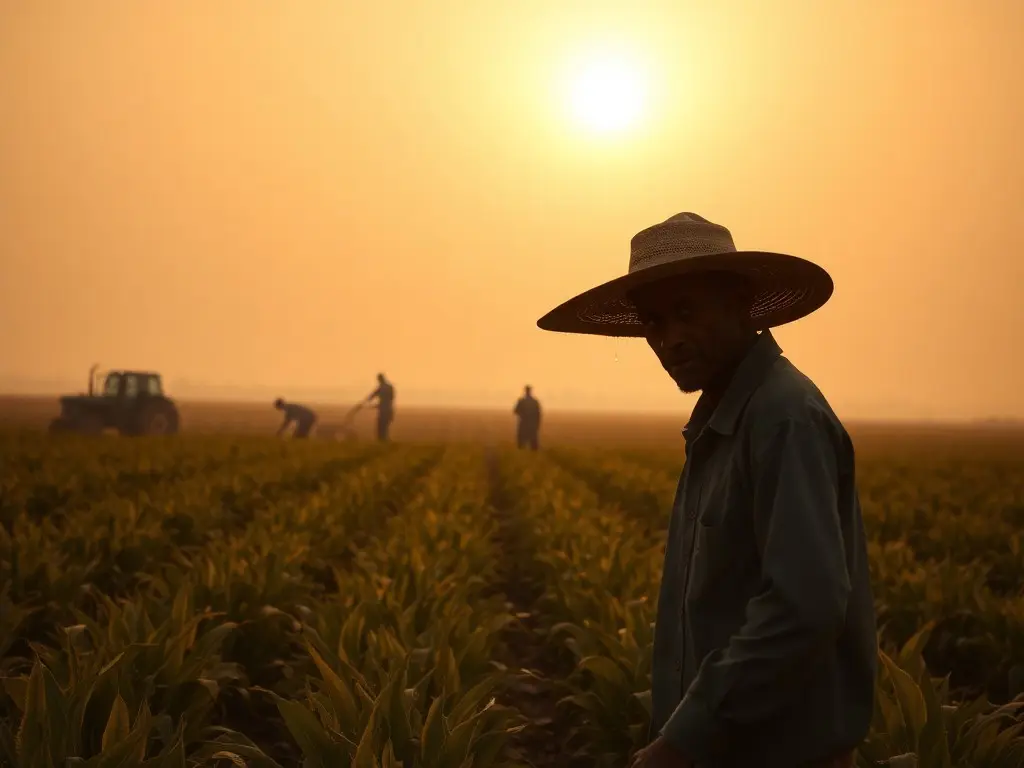
Researchers at Climate Central report a rising number of dangerously humid heat days in the U.S. Midwest and South, increasing health risks for farmworkers and outdoor laborers. The heat index—accounting for humidity—now exceeds 90 degrees more frequently, with cities like Amarillo, Tulsa, and St. Louis seeing significant increases since 1979, while experts warn of severe health consequences and push for stronger worker protections.
Scientists at Climate Central have found that days with dangerously high humidity and heat—measured by a heat index above 90 degrees—are increasing in the U.S., particularly in the Midwest and South. The trend is linked to climate change, as warmer air holds more moisture, making conditions feel even hotter and more oppressive. Cities like Amarillo, Texas, now experience 22 more extreme humid days annually compared to 1979, while Tulsa and St. Louis see about five additional days per year. The heat index, which combines temperature and humidity, provides a more accurate measure of heat danger than temperature alone. High humidity prevents sweat from evaporating, reducing the body’s natural cooling mechanism and increasing risks of heat stroke, organ failure, and other heat-related illnesses. The National Weather Service issues advisories when heat index levels rise, urging people to limit outdoor exposure and monitor vulnerable groups like the elderly. Farmworkers are especially at risk due to prolonged outdoor labor in extreme conditions. Unlike hourly workers, farmworkers are often paid by harvest output, creating financial pressure to work through dangerous heat. United Farm Workers Vice President Elizabeth Strater notes that these workers face disproportionately high rates of illness, injury, and death from heat exposure. Hydration alone is insufficient; workers need shade, paid breaks, and training to recognize heat-related dangers. Climate Central released a tool in May to track global humid heat trends, highlighting the growing threat. Experts emphasize that humidity must be factored into heat safety measures, as high moisture levels exacerbate health risks. Strater advocates for federal protections, including mandatory shade, rest breaks, and worker training, to mitigate the dangers faced by agricultural laborers in increasingly severe conditions.
This content was automatically generated and/or translated by AI. It may contain inaccuracies. Please refer to the original sources for verification.