Data centers become flashpoint in debate over AI growth
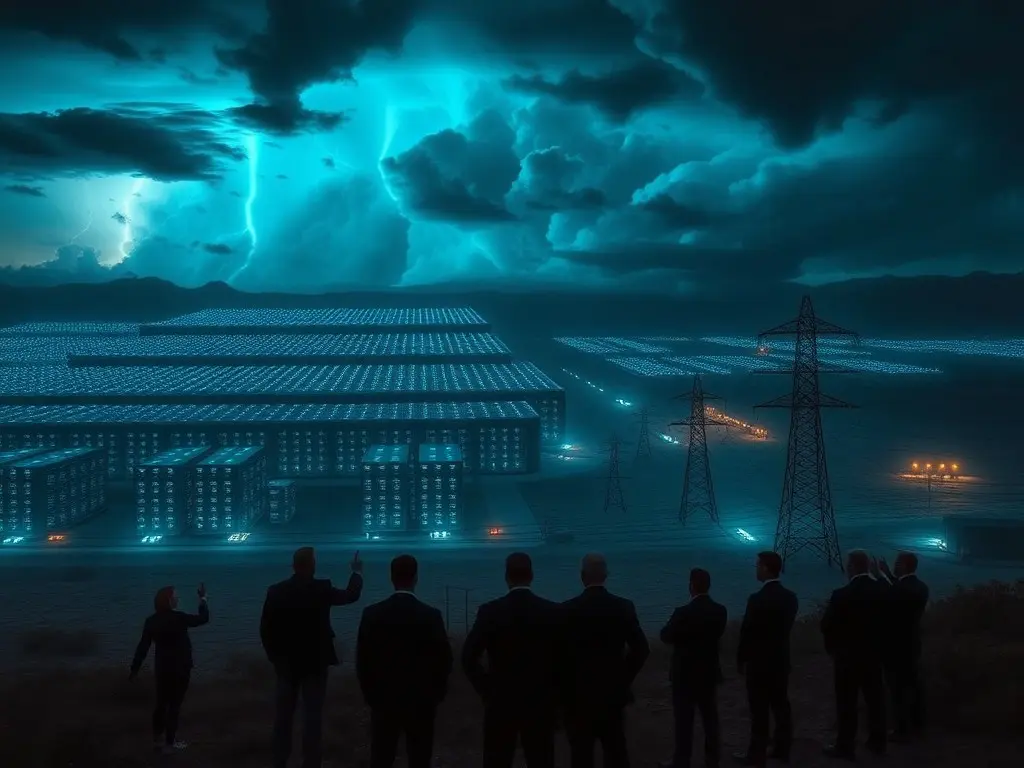
Growing opposition to AI-powered data centers is spreading across U.S. statehouses and city halls, with officials like Texas Governor Greg Abbott proposing restrictions on water use, tax incentives, and energy costs, while federal lawmakers push for a national moratorium. Concerns over rising electricity bills and grid strain—projected to double by 2027—are fueling backlash, despite industry arguments about job creation and U.S. AI competitiveness.
Tech companies are accelerating construction of sprawling data centers across the U.S. to support AI infrastructure, but local and state-level resistance is intensifying ahead of the midterm elections. Texas Governor Greg Abbott recently proposed water efficiency requirements, repealing tax breaks, and urged regulators to protect Texans from higher energy costs tied to data centers. The state, nearing Virginia’s lead in data center numbers, is now reconsidering incentives after initially promoting the industry as an economic boon. Opposition has led to over 100 proposed moratoriums nationwide, with some cities and counties imposing temporary bans on new construction or permitting. Federal lawmakers, including Sen. Bernie Sanders and Rep. Alexandria Ocasio-Cortez, have introduced a national moratorium until safeguards are established. Critics argue data centers will worsen inflation by increasing electricity demand—Goldman Sachs projects U.S. data center power use will double by 2027, rising from 4.1% to 8.5% of peak summer demand. Supporters counter that data centers create jobs, generate tax revenue, and ensure U.S. leadership in AI, a priority under the Trump administration’s push to outpace China. However, voter concerns about affordability and grid stability are forcing policymakers to weigh economic benefits against rising costs. The debate reflects broader tensions between rapid AI expansion and local resistance to its infrastructure demands.
This content was automatically generated and/or translated by AI. It may contain inaccuracies. Please refer to the original sources for verification.