Data centers could significantly boost electric bills, study finds
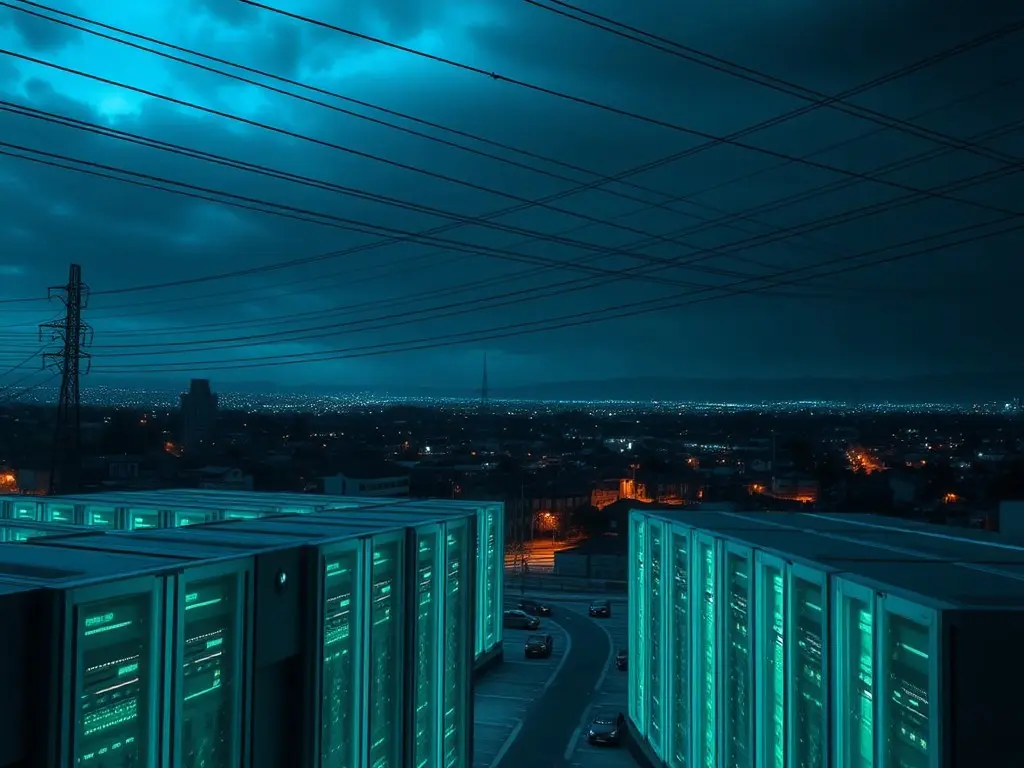
A new study projects U.S. electricity bills could rise by up to 57% by 2030 due to surging demand from AI-driven data centers, which may consume nearly half of all new electricity demand. Utilities are investing billions in grid upgrades, raising concerns that residential customers could bear the cost of infrastructure primarily serving tech companies like those supporting AI, cloud computing, and cryptocurrency operations.
A study warns U.S. electricity bills could surge by as much as 57% by 2030 as utilities expand power generation and transmission to support the rapid growth of data centers. Researchers attribute the spike in demand to the acceleration of artificial intelligence, with data centers projected to consume a significantly larger share of the U.S. power grid within the next decade. Consumer advocates and energy experts express concern that residential customers may end up subsidizing infrastructure upgrades driven by major technology companies. Utilities across the country are already investing billions in new power plants, substations, and transmission lines to meet soaring electricity demand from data centers, costs that are often passed on to residential ratepayers. The issue is particularly acute in states like Virginia and Texas, which have become major data-center hubs. Industry analysts note that the AI boom is reshaping electricity demand forecasts nationwide, with the International Energy Agency projecting global data-center electricity use will more than double by 2030. In the U.S., data centers could account for nearly half of all electricity-demand growth by the end of the decade. A federally mandated watchdog overseeing the PJM Interconnection—the nation’s largest regional power grid—has warned that data-center growth has already contributed to wholesale electricity price spikes exceeding 75% in parts of the eastern U.S. Critics argue that utilities and regulators have been slow to address who should bear the financial burden of the tech sector’s growing energy appetite. Berkeley Lab estimates that U.S. data-center electricity use more than doubled between 2017 and 2023 and could reach 12% of total U.S. electricity consumption by 2028. Some lawmakers are pushing for greater transparency in utility agreements with tech companies and exploring policies to require large data-center operators to cover more infrastructure costs. Despite these concerns, utilities and economic development officials continue to attract data-center investments due to the jobs, tax revenue, and economic activity they generate. Experts caution that balancing economic growth with grid reliability and affordability will become increasingly challenging as AI adoption accelerates.
This content was automatically generated and/or translated by AI. It may contain inaccuracies. Please refer to the original sources for verification.