Decoding the Crosstalk Between the Nervous System and Cancer
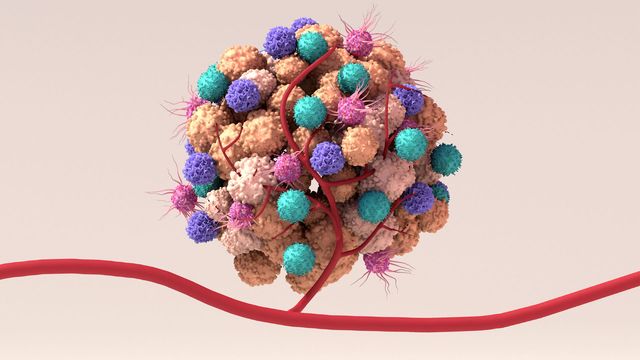
The InteroCANCEption team, funded by Cancer Grand Challenges, is investigating how the nervous system influences cancer growth, spread, and immune responses, particularly in peripheral cancers. Their research shows sensory nerves in tumors support cancer progression, while cigarette smoke accelerates tumor growth through neuroimmune pathways, revealing potential new therapeutic targets.
A global research team called InteroCANCEption, backed by Cancer Grand Challenges—a joint initiative by Cancer Research UK and the U.S. National Cancer Institute—is exploring how the nervous system affects cancer biology beyond brain tumors. Led by Dr. Leanne Li at The Francis Crick Institute, the team focuses on peripheral cancers, where interactions between nerves and tumors remain poorly understood. Their studies reveal that sensory nerves in the tumor microenvironment actively promote cancer growth, while tumor cells alter neuron structure and function to accelerate progression. The team demonstrated that lung tumors influence nerve growth and activity, with chemical signals from nerves suppressing immune responses against the tumor. Cigarette smoke, a major lung cancer risk factor, was found to increase neuronal activity, further speeding up tumor development through this neuroimmune interaction. Li’s research suggests the autonomic nervous system may mediate both local and systemic effects in cancer, including immune and metabolic responses. The project aims to uncover how the peripheral nervous system detects tumor progression and communicates with the brain, potentially offering new insights into cancer treatment. Innervation in tumors is linked to poorer outcomes, as nerves regulate processes like angiogenesis and extracellular matrix remodeling, which are critical for tumor growth and metastasis. By mapping these neural-cancer interactions, the team hopes to identify targeted therapeutic strategies. Li’s work builds on recent findings that tumor cells can alter neighboring neurons, enhancing their function or inducing phenotypic changes to support cancer progression. The research highlights the bidirectional relationship between the nervous system and cancer, where tumors and nerves influence each other’s behavior. Understanding these mechanisms could lead to innovative approaches to disrupt cancer progression and improve patient outcomes.
This content was automatically generated and/or translated by AI. It may contain inaccuracies. Please refer to the original sources for verification.