Delhi’s ‘themed forests’ could suffocate its last green lung
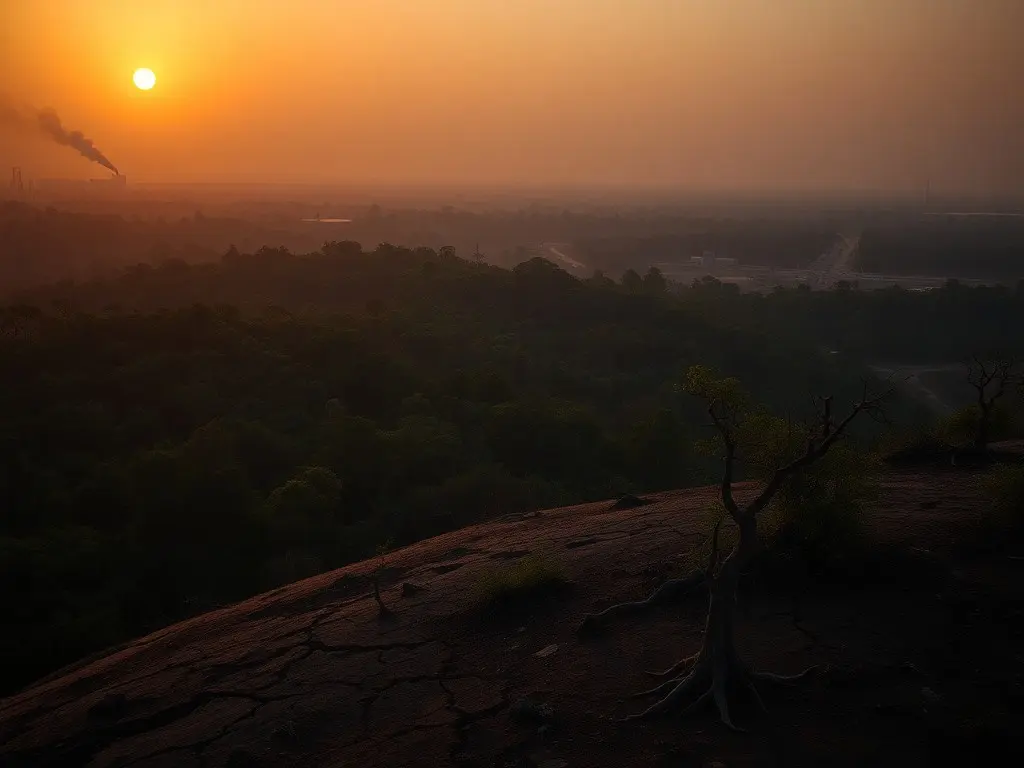
Delhi Chief Minister Rekha Gupta revived the Green Helpline and announced plans for a tree-planting drive in 2026, while the Forest Department proposed developing four 'themed forests' on the Central Ridge, sparking outrage over plans to use banned pesticides like lindane and chlorpyrifos. Activists and environmentalists condemned the project, which also involves clearing 40,000 square meters of forest land, as a violation of forest protection laws and Supreme Court directives aimed at preserving the ridge's ecological integrity.
Delhi Chief Minister Rekha Gupta reinstated the Green Helpline (1800-118-600) on April 20, 2026, and launched a new standard operating procedure to report tree-related offenses, part of her government’s push to increase green cover. Gupta also announced a tree-planting drive during the monsoon season, though critics dismissed the move as superficial given her party’s past anti-environmental policies. Meanwhile, the Delhi Forest Department released a tender in March 2026 to develop four themed forests—Tirthankar Van, Ritu Van, Rashi Van, and Panchvati Van—on the Central Ridge, a 1.5-billion-year-old dry deciduous forest. The plan included using lindane and chlorpyrifos, two pesticides banned for environmental harm, to target termites despite scientific consensus that termites are vital ecosystem engineers. Public outrage led the department to withdraw the proposal for these pesticides in April, citing eco-friendly alternatives. However, activists condemned the broader project, which involves clearing over 40,000 square meters of forest land and altering vegetation, as a violation of forest protection laws and Supreme Court directives. The Central Ridge, designated as reserved forest since 1912, has been under legal protection since 1994 when the Supreme Court ordered its preservation. The themed forest proposal conflicts with the Forest (Conservation) Act, 1980; Indian Forest Act, 1927; Environment (Protection) Act, 1986; and Wild Life (Protection) Act, 1972. Critics argue the project reflects a trend of commodifying natural ecosystems for urban consumption, undermining Delhi’s last major green lung. The controversy highlights tensions between development goals and environmental conservation in the capital.
This content was automatically generated and/or translated by AI. It may contain inaccuracies. Please refer to the original sources for verification.