Despite scrutiny, special education money flows to for-profit residential treatment centers
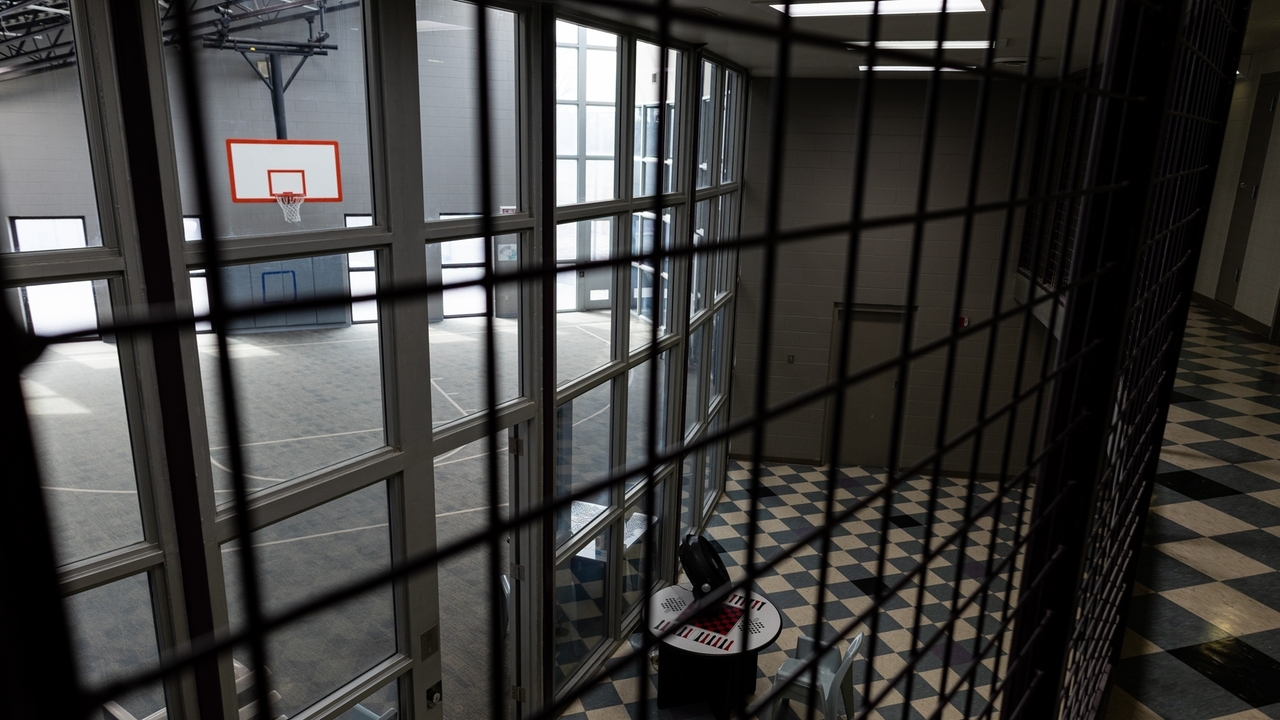
An Associated Press investigation reveals how for-profit residential treatment centers in the U.S. exploit special education funding meant for disabled students, despite regulatory gaps and safety concerns. These facilities operate with minimal oversight, often using out-of-state placements and a catch-all disability category to siphon taxpayer dollars while evading accountability.
An Associated Press investigation found that for-profit residential treatment centers targeting troubled teens are tapping into taxpayer-funded special education money, despite growing scrutiny over their safety and practices. These facilities operate under fragmented oversight, with state education departments often deferring responsibility to local school districts, which lack standardized rules or transparency requirements. The Individuals with Disabilities Education Act (IDEA) allows special education funds to cover residential placements outlined in students’ Individualized Education Programs (IEPs). However, most states—including Colorado and Maine—do not track out-of-state placements, leaving gaps in accountability. A 2022 California study revealed that only half of states require certification or on-site inspections, with policies focusing primarily on education rather than safety or staff vetting. Calo Programs in Lake Ozarks, Missouri, exemplifies this trend, treating children from 30 states while conducting minimal in-state placements. In 2025, California and Illinois alone funded at least 24 students at Calo, despite Missouri’s education department reporting only two in-state placements over a decade. The facility claims its program meets IEP needs but relies on out-of-state contracts to bypass stricter oversight. Experts warn that this system leaves vulnerable students at risk. Meg Appelgate, CEO of the nonprofit Unsilenced, criticized the lack of rules governing approvals and abuse allegations. Jennifer Rodriguez of the Youth Law Center highlighted California’s ban on adoption subsidies for out-of-state facilities, a step toward closing a loophole that exposes hundreds of children to unregulated care. The investigation underscores how fragmented bureaucracy and profit-driven incentives enable exploitation of special education funding. With few uniform standards, for-profit centers continue to operate with limited scrutiny, prioritizing enrollment over student safety.
This content was automatically generated and/or translated by AI. It may contain inaccuracies. Please refer to the original sources for verification.