DGA's board throws support behind tentative contract with major studios
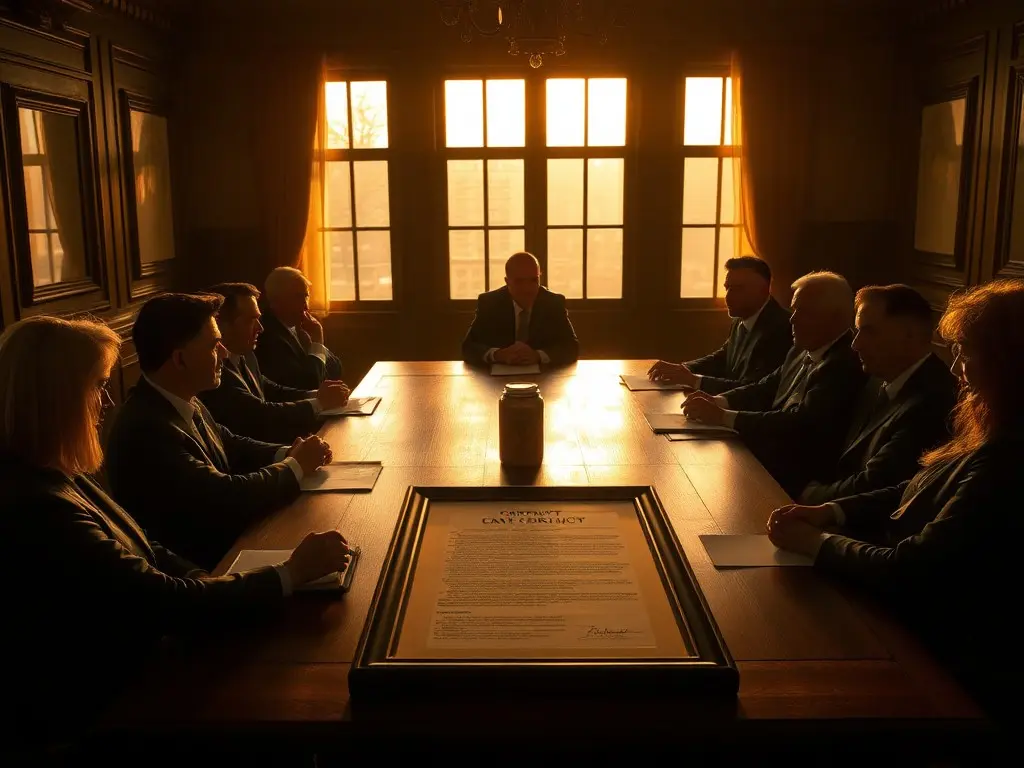
The Directors Guild of America (DGA) national board unanimously recommended a tentative four-year contract with major studios, boosting wages, health plan contributions, and AI-related protections. The agreement, pending membership approval by June 25, includes salary increases, stricter AI guardrails, and advocacy for a federal production incentive to retain U.S. jobs in entertainment.
The Directors Guild of America’s national board approved a tentative four-year contract with major studios on Friday, securing wage hikes, expanded health benefits, and safeguards against AI risks. The deal, negotiated with the Alliance of Motion Picture and Television Producers (AMPTP), raises minimum salaries by 2.5% in the first year and 3% annually thereafter, with network non-prime time directors receiving 2.5% annual increases. Studios will also increase contributions to the DGA’s health plan by 24.4% over four years, the largest boost since its founding. The contract introduces new AI-related provisions, treating AI-generated footage as subject to directors’ control and requiring studios to notify the DGA if a director’s work is used to train generative AI systems. An employer-funded program will also train directors in AI skills. DGA President Christopher Nolan stated the agreement fulfills key priorities: securing the health plan, protecting jobs, and addressing AI’s impact on the industry. The tentative deal, reached earlier this week, includes a commitment from major studios to advocate for a federal production incentive, aiming to prevent U.S. entertainment jobs from relocating overseas due to lower production costs. AMPTP praised the collaboration, calling it a fair deal to support a stable industry. DGA members will vote on the contract until June 25, with approval needed for it to take effect July 1, running through June 30, 2030. The union, representing over 19,500 directors and directorial teams across film, commercials, and news, emphasized the need for stability amid industry contraction. Nolan noted that the four-year agreement provides growth potential during a period of economic uncertainty. The contract also includes adjustments to health plan eligibility and premiums, though details remain modest.
This content was automatically generated and/or translated by AI. It may contain inaccuracies. Please refer to the original sources for verification.