Digitally altered political mailers spur lawsuit over Montana AI law
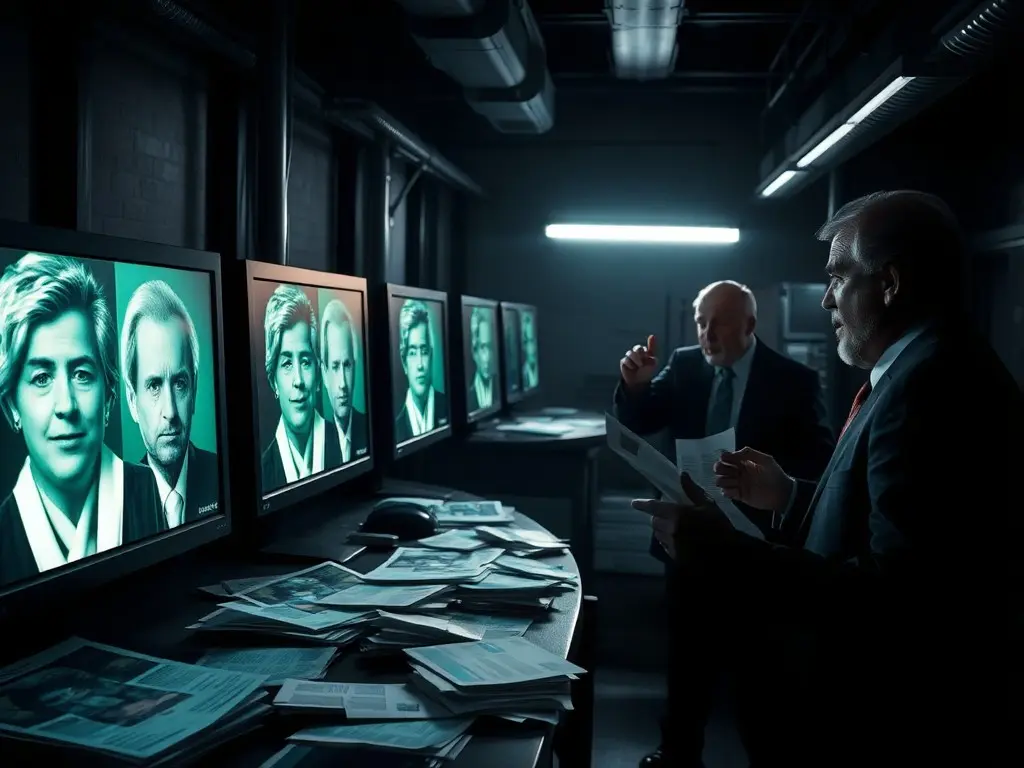
Two Montana Republican lawmakers, Jennifer Carlson and Eric Albus, filed complaints alleging that digitally altered political mailers—paid for by Accountability in State Government—violated a new state law banning AI-generated deepfakes in campaign materials. A federal lawsuit argues the law infringes on First Amendment free speech rights and demands its repeal, calling it overly broad and unconstitutional.
Two Montana Republican candidates, former legislator Jennifer Carlson and Rep. Eric Albus, accused the political committee Accountability in State Government of violating a new state law by sending AI-altered mailers depicting them with pride flags and pronoun buttons. The mailers, paid for by the committee—whose treasurer, Dan Bartel, is a former Republican lawmaker—were sent to criticize their voting records on cultural funding bills. Carlson and Albus filed complaints with the Montana Commissioner of Political Practices, claiming the altered images violated Senate Bill 25, which criminalizes AI-generated deepfakes in election-related materials." "A federal lawsuit filed Wednesday in Helena by Bozeman attorney Matthew Monforton challenges the law’s constitutionality, arguing it suppresses protected political speech and is unconstitutionally vague. The complaint names Attorney General Austin Knudsen, Lewis and Clark County Attorney Kevin Downs, and Commissioner of Political Practices Chris Gallus as defendants. It claims the law’s penalties—including fines and up to two years in prison—chill free expression by forcing disclosures that label legitimate criticism as deceptive." "The law, effective for 60 days before elections, defines deepfakes as AI-generated content that misrepresents a person’s actions or speech. However, the lawsuit argues the statute’s broad language and lack of clear exemptions for political satire or criticism make it unenforceable. Monforton wrote that the law’s intent is to shield lawmakers from scrutiny rather than protect voters from deception. The mailers targeted votes on House Bill 9, which funds cultural and aesthetic grants." "Carlson stated in a text to the *Daily Montanan* that she filed her complaint because the mailers were false and violated the law, emphasizing the role of the Commissioner of Political Practices in enforcing campaign regulations. The lawsuit contends that requiring disclaimers for altered but truthful images imposes an unconstitutional burden on political speech. Legal experts will now weigh whether Montana’s AI law conflicts with First Amendment protections in a case that could set a precedent for similar restrictions nationwide.
This content was automatically generated and/or translated by AI. It may contain inaccuracies. Please refer to the original sources for verification.