"Do not open until July 4, 2276": What will America's Time Capsule reveal?
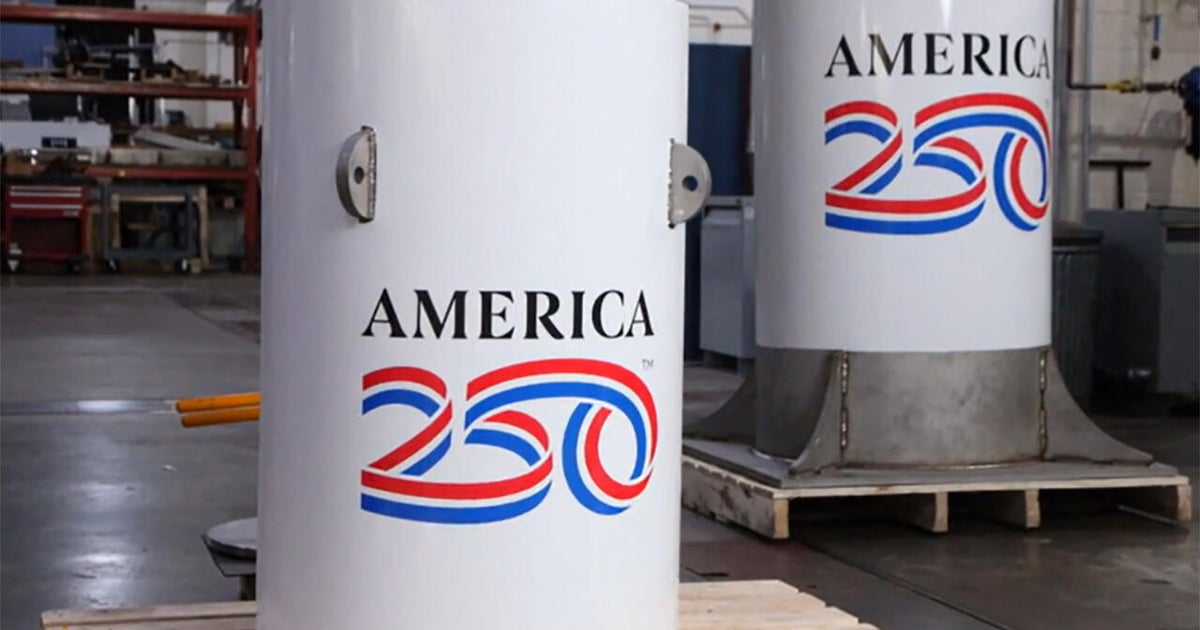
America’s Time Capsule, mandated by Congress in 2016, will be buried in Philadelphia on July 4, 2026, and opened on July 4, 2276, containing artifacts from all 50 states, D.C., and territories. The project aims to preserve physical and digital representations of American history, including an iPhone 17, historic documents encoded in synthetic DNA, and personal messages from citizens, while addressing preservation challenges like waterproofing the capsule for 250 years underground.
America’s Time Capsule, a project mandated by Congress in 2016, will be buried at Independence National Historical Park in Philadelphia on July 4, 2026, to be unearthed on the nation’s 500th birthday in 2276. Tom Medema, the project manager, oversees a team of experts—scientists, lawmakers, and librarians—to curate items representing all 50 states, D.C., and five territories, ensuring a 'sea-to-shining-sea' inclusion. Rosie Rios, chair of America 250, emphasizes a grassroots approach, encouraging public participation through messages submitted at the White House Visitor Center, many expressing hope and optimism for the future. The capsule’s design, a one-ton stainless-steel cylinder, was chosen after rejecting alternatives like a star-shaped container due to waterproofing risks. Mike Berilla of the National Institute of Standards and Technology (NIST) leads efforts to ensure the capsule survives 250 years underground, noting that most time capsules fail due to water damage. Submissions from states include West Virginia’s coal-shaped artifact and Ohio’s fabric from the Wright Flyer, while the Library of Congress rejected perishable items like adhesive, leather, or food. Among the selected artifacts are an iPhone 17, Native American artwork, student essays, coins, a Coca-Cola bottle, and a Union soldier’s eagle feather. The Library of Congress also contributed synthetic DNA encoding digital copies of Thomas Jefferson’s Declaration draft, Abraham Lincoln’s handwriting, and a recording of *The Star-Spangled Banner*, stored in a thimble-sized vessel. Medema calls the capsule a tangible link to timeless American ideals, blending physical objects with digital preservation for future generations. The project reflects a national effort to document history through both enduring materials and cutting-edge technology, aiming to outlast past time capsules by addressing their common failures. Public engagement remains central, with submissions reflecting personal and collective aspirations for America’s future.
This content was automatically generated and/or translated by AI. It may contain inaccuracies. Please refer to the original sources for verification.