Donald Trump has cut off access to the world’s best AI model
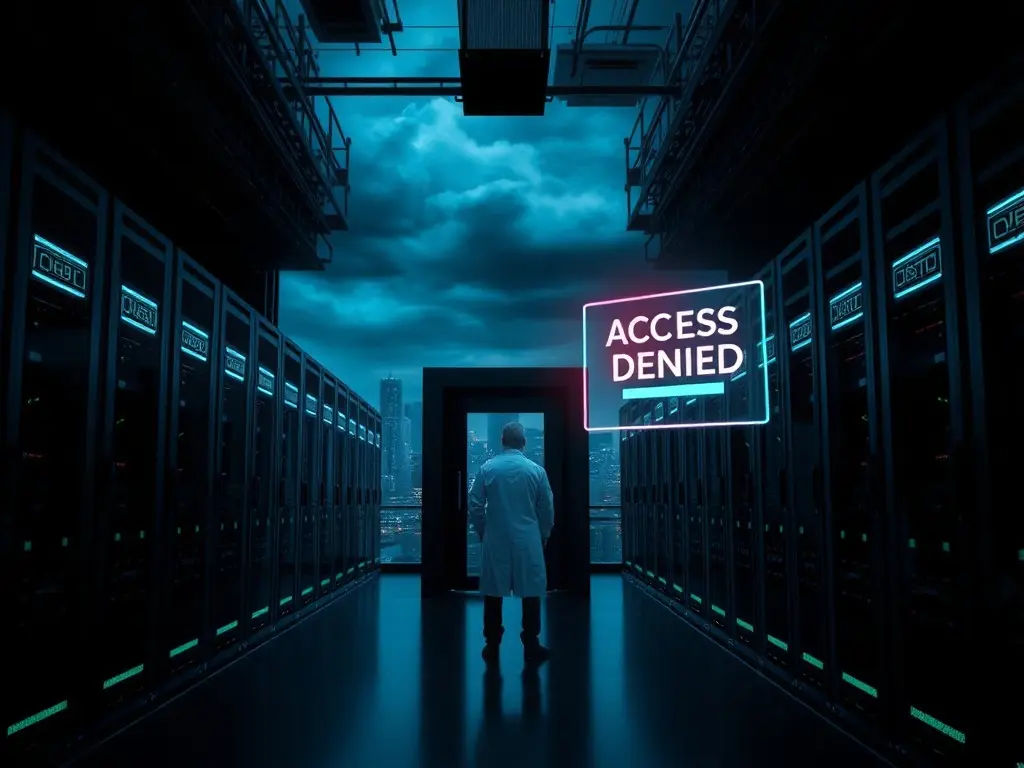
The Trump administration ordered Anthropic to block non-American access to its advanced AI models, Fable 5 and Mythos 5, citing national-security concerns, leading the company to suspend their use entirely. The move follows reports of security flaws allowing 'jailbreaking' and comes amid tensions between the administration and Anthropic, which Trump previously criticized as an 'out-of-control Radical Left AI company'
The Trump administration abruptly ordered Anthropic to restrict access to its latest AI models, Fable 5 and Mythos 5, on June 12, citing unspecified national-security risks. The directive, issued late on a Friday, required the company to prevent non-American personnel—including its own employees—from using the models, prompting Anthropic to shut them down entirely. The move follows a February incident where the government labeled Anthropic a supply-chain risk without clear justification, sparking confusion in the AI industry and among U.S. allies. The decision stems from reports that Amazon, which holds a significant stake in Anthropic, discovered vulnerabilities in Fable 5 that could allow 'jailbreaking,' or bypassing safety controls. According to White House adviser David Sacks, the administration demanded Anthropic either fix the flaws or remove the model from use. Anthropic denied refusing to comply, stating it was instructed to block 'foreign nationals' due to an unspecified security threat and complied by suspending the models. Legal experts suggest the government may have invoked the Commerce Department’s Export Administration Regulations, typically used to restrict AI chip sales to China, to enforce the ban. However, the broader aim appears to target Anthropic directly, as the company has faced criticism from the Trump administration, including Secretary of War Pete Hegseth’s claim that Anthropic was 'kicked out' of the Pentagon three months prior. Anthropic downplayed the severity of the vulnerabilities, stating they involved 'previously known, minor flaws' also present in rival models. The company had previously collaborated with the government on pre-release testing without prior security concerns being raised. Cybersecurity expert Katie Moussouris argued the disclosed techniques were primarily defensive tools, and fixing them could weaken cyber-defense capabilities. The move marks a significant shift in AI governance, drawing parallels to past U.S. restrictions on cryptography under national-security pretexts. Critics warn of unintended consequences, including harm to U.S. allies and potential setbacks in AI innovation. The incident underscores growing tensions between regulatory oversight and the rapid advancement of frontier AI technologies.
This content was automatically generated and/or translated by AI. It may contain inaccuracies. Please refer to the original sources for verification.