Dopamine Dysfunction Linked to Memory Loss in Alzheimer’s Disease
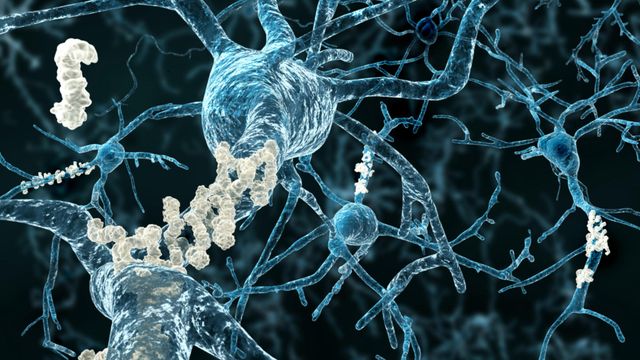
Researchers at Tohoku University and the University of California, Irvine found dopamine dysfunction in the entorhinal cortex reduces memory formation in Alzheimer’s disease, with optogenetic and Levodopa interventions restoring cognitive function in mice. Published in *Nature Neuroscience*, the study suggests dopamine-based therapies could offer new treatment avenues for reversing memory loss in Alzheimer’s patients.
A study led by Kei Igarashi, Distinguished Professor at Tohoku University School of Medicine, in collaboration with the University of California, Irvine, has identified dopamine dysfunction as a key driver of memory loss in Alzheimer’s disease. Published in *Nature Neuroscience* on April 23, 2026, the research focused on the entorhinal cortex—a brain region critical for memory processing—where dopamine levels in Alzheimer’s mice models dropped to less than 20% of normal levels. The team observed severe impairments in associative memory during odor-based learning tasks, alongside abnormal neural responses in the entorhinal cortex. To test whether dopamine restoration could reverse these effects, the researchers used optogenetic techniques and Levodopa, a Parkinson’s drug. Both interventions normalized neural activity and improved memory performance in the mice. Igarashi noted that dopamine dysfunction plays a central role in Alzheimer’s-related memory decline, offering a potential new therapeutic target. Current treatments focusing on amyloid-β and tau proteins have shown limited success, but the findings suggest dopamine-based therapies could help slow or reverse cognitive decline. The study, titled *Early dopamine disruption in the entorhinal cortex of a knock-in model of Alzheimer’s disease*, was conducted by a team including Tohoku University and UC Irvine researchers. The discovery opens new possibilities for treating millions of Alzheimer’s patients worldwide, potentially bringing closer the goal of restoring lost memories.
This content was automatically generated and/or translated by AI. It may contain inaccuracies. Please refer to the original sources for verification.