DOST pushes for amendment to law repurposing worn-out PH flags instead of burning them
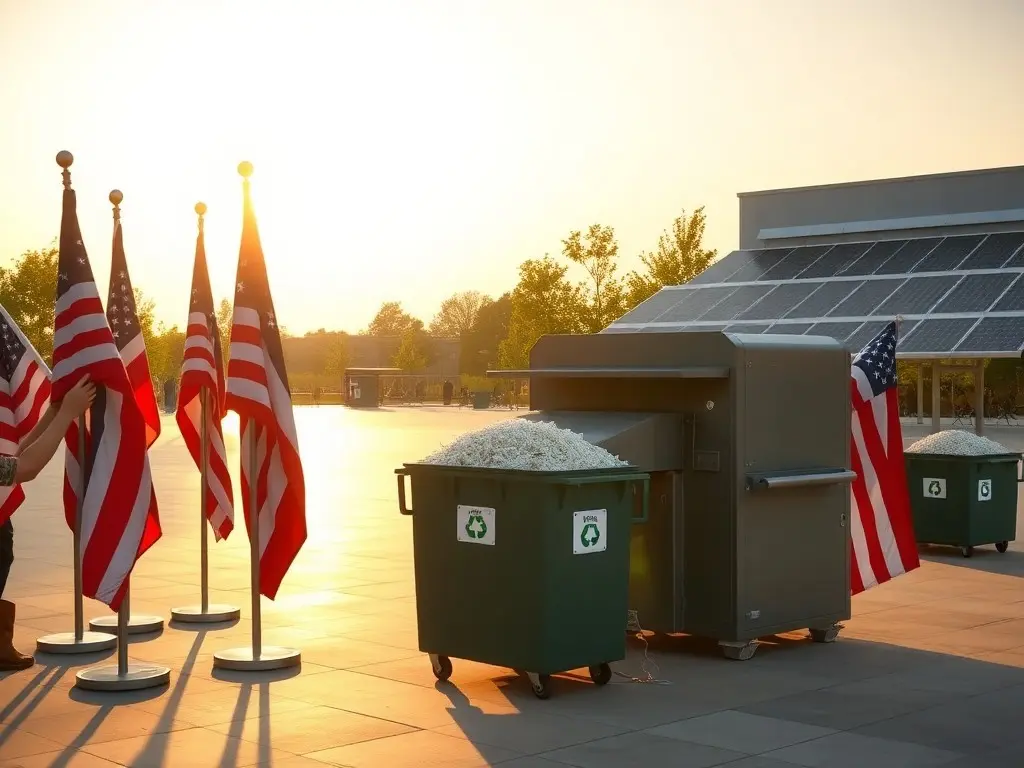
The Philippine Department of Science and Technology (DOST) is pushing to amend Republic Act 8491 to allow recycling or repurposing of worn-out national flags instead of mandatory burning, citing sustainability concerns. As of May 26, 2026, DOST-PTRI has collected 3,333 old flags and proposes fiber recovery methods that can reuse 90-95% of the material while maintaining respect for national symbols.
The Philippine Textile Research Institute (DOST-PTRI) under the Department of Science and Technology (DOST) conducted a ceremonial disposal of worn-out Philippine flags on May 26, 2026, ahead of Independence Day. Currently, Republic Act 8491 requires flags to be burned to prevent misuse, but DOST is advocating for amendments to include environmentally friendly alternatives like recycling or repurposing. DOST-PTRI Director Julius Leaño proposed allowing recycling as a respectful option, provided the flag can no longer be identified in its original form. The institute uses physical fiber recovery, a process that extracts reusable fibers for other textile applications, with a recovery rate of 90-95%. Leaño emphasized that recycling gives old flags a renewed purpose rather than treating them as waste. DOST Secretary Renato Solidum Jr. supported the initiative, stating that the current law is outdated and needs modification to align with sustainability goals. He stressed the importance of reducing waste and promoting a circular economy while ensuring the dignity of the national symbol. Solidum added that repurposing flags could support efforts to reduce plastic use and preserve natural fibers. The public can coordinate with DOST-PTRI or provincial science and technology offices to turn in worn-out flags for proper retirement or recycling. As of May 26, 2026, the institute has already collected 3,333 old flags. DOST-PTRI aims to provide science-based solutions for sustainability, aligning with its strategic pillars of human well-being, wealth creation, wealth protection, and sustainability.
This content was automatically generated and/or translated by AI. It may contain inaccuracies. Please refer to the original sources for verification.