Dream of owning home in Sri Lanka slips further
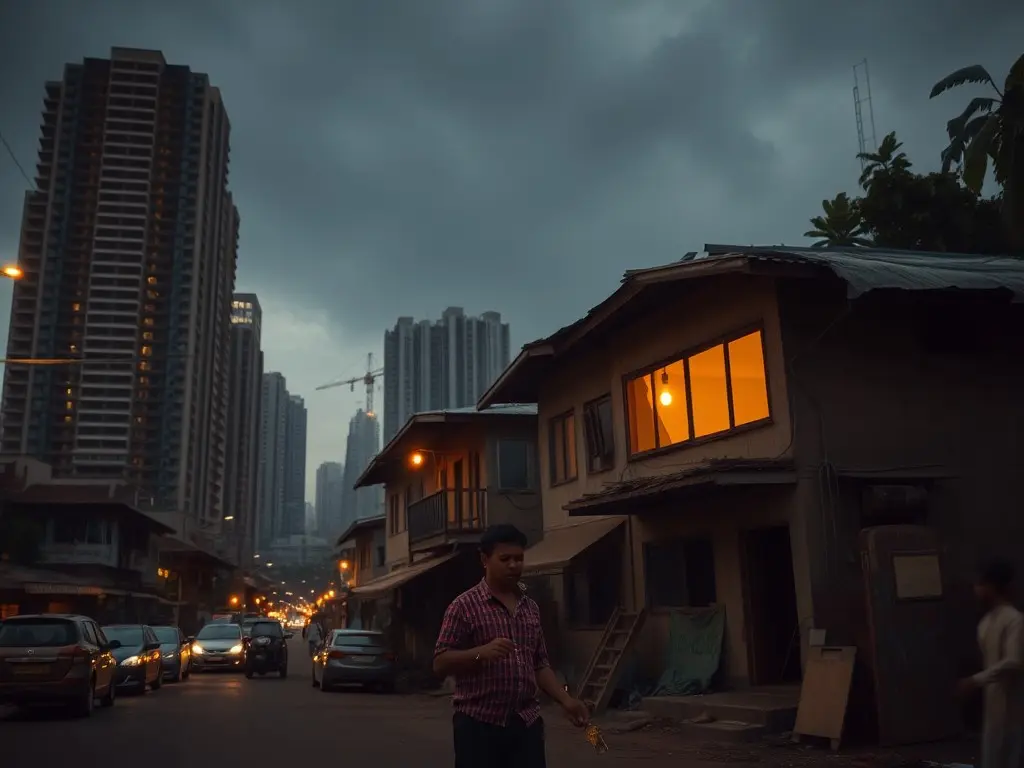
The Sri Lankan real estate market is facing a severe affordability crisis, with a housing deficit of 187,508 units and Colombo ranked as the world’s most unaffordable city for homebuyers. While foreign investment surges in luxury properties, local families struggle with stagnant wages and soaring construction costs, pushing homeownership further out of reach.
Sri Lanka’s housing crisis deepens as affordability collapses under the weight of foreign investment in luxury real estate. The country has a housing deficit of 187,508 units—a 13% increase since 2012—while Colombo ranks as the world’s most unaffordable city, with a price-to-income ratio of 55.1, according to the latest Property Prices Index by Numbeo. The average monthly household income of Rs. 76,414 falls short of the Rs. 84,231 needed for a basic urban living standard, forcing families to rely on loans to cover essential costs. Meanwhile, foreign direct investment in Sri Lanka’s property sector nearly tripled in 2025, reaching USD 56.2 million, driven by demand for high-end condominiums and tourism-related developments. The Board of Investment reported a 74% year-on-year rise in overall FDI, totaling USD 1.06 billion, signaling strong confidence in luxury and commercial real estate. However, this boom has done little to address the affordability crisis, as construction costs remain structurally elevated, hitting an all-time high of 77.20 points in Q3 2025 due to material shortages, labor gaps, and exchange rate fluctuations. The LankaPropertyWeb report highlights a stark divide: while foreign capital fuels high-end projects, local buyers face stagnant wages and skyrocketing property prices. The affordability gap is further worsened by rapid urbanization, with essential expenditures consuming most household incomes. Experts warn that without intervention, homeownership will remain a privilege for the wealthy, deepening socioeconomic inequality. Despite economic recovery signs, the housing market’s imbalance persists, with developers prioritizing luxury over affordable units. Rising construction costs and labor shortages discourage short-term investment in low-cost housing, leaving a critical gap in supply. Analysts emphasize the need for policy reforms to bridge the divide between foreign investment and local housing needs.
This content was automatically generated and/or translated by AI. It may contain inaccuracies. Please refer to the original sources for verification.