Early heatwaves and Iran war create perfect storm for energy shortages
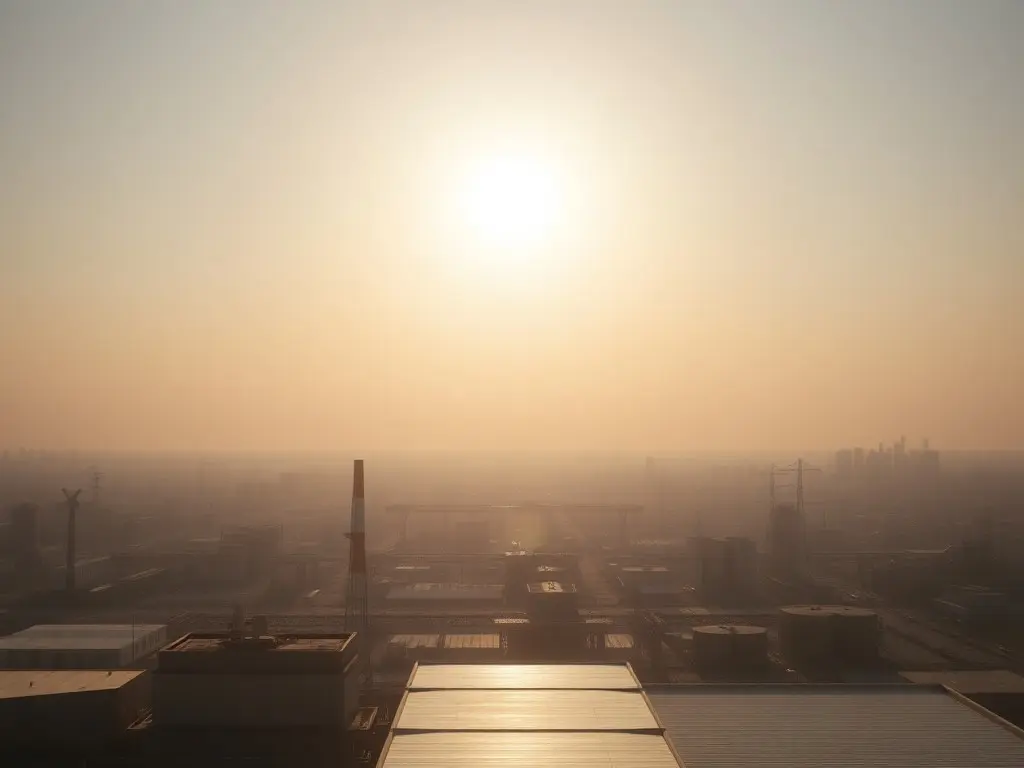
A record-breaking heatwave in Asia, with temperatures hitting 47C in India and prolonged extreme heat across Seoul, Shanghai, and Tokyo, is straining energy grids as electricity demand surges to 271 gigawatts. The US-Israeli conflict in Iran has further disrupted global energy supplies, closing the Strait of Hormuz and forcing India to diversify its LNG imports amid rationing of gas-fired plants.
A severe heatwave gripping Asia is pushing electricity demand to unprecedented levels, threatening energy shortages before the peak summer months. In India, temperatures reached 47C across multiple states in May, driving power consumption to a record 271 gigawatts for four consecutive days—far exceeding projections for the entire fiscal year 2026-27. The heatwave has also extended its duration, with India experiencing a 0.44-day increase in heatwave days per decade since 1961 and a rise in compound hot-humid days from 14,086 (2015-2019) to 16,970 (2020-2024). Experts warn that prolonged extreme heat is increasing reliance on air conditioning, with cooling appliances already contributing 60-70 gigawatts to peak demand. The energy crisis is compounded by India’s rapid shift toward electrification in transport, industry, and cooking, further straining the grid. Saloni Sachdeva Michael, lead energy specialist at the Institute for Energy Economics and Financial Analysis, noted that peak demand is not only rising but occurring earlier in the year, with April already seeing record highs. The power ministry confirmed that the surge is linked to increased cooling appliance usage, with humidity from the approaching monsoon expected to worsen conditions. Meanwhile, the US-Israeli conflict in Iran has disrupted global energy supplies by closing the Strait of Hormuz, a critical route for oil and liquefied natural gas (LNG). India, one of Asia’s largest energy importers, has seen LNG shipments from Qatar—previously supplying 40% of its imports—plummet sharply. The country has scrambled to diversify, increasing imports from Oman (now 30% of its mix) and securing spot cargoes from the US, Australia, Nigeria, Angola, Mauritania, and Indonesia. However, gas rationing persists due to tightened LNG supplies and soaring freight costs, leaving gas-fired plants—key for balancing solar and coal power—under severe pressure.
This content was automatically generated and/or translated by AI. It may contain inaccuracies. Please refer to the original sources for verification.