'Ebola has tortured us': Fear grips eastern DR Congo as deadly virus spreads
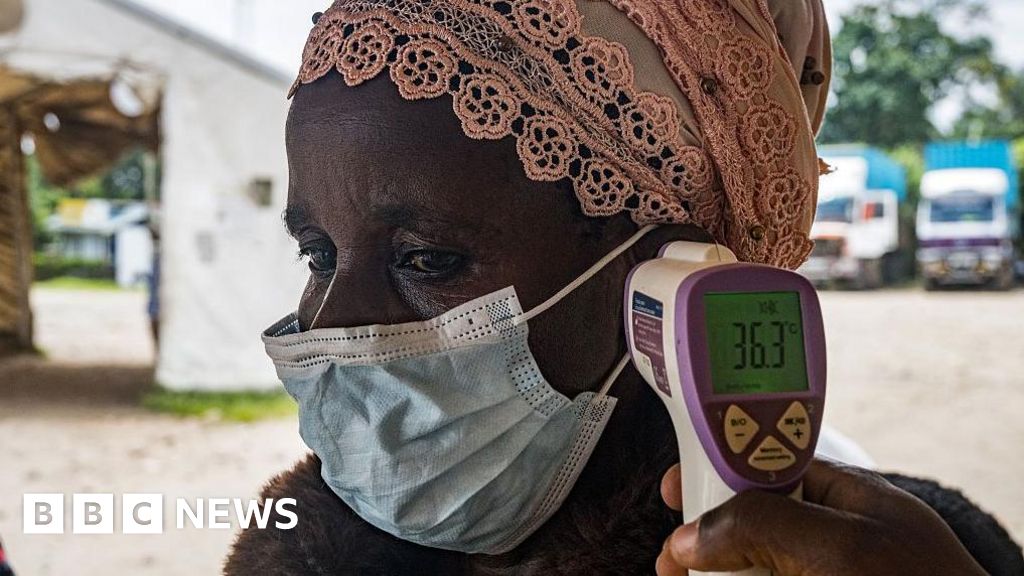
The Democratic Republic of Congo is battling a new Ebola outbreak caused by the Bundibugyo strain, with 543 suspected cases and 136 deaths reported as of Tuesday, including one fatality in neighboring Uganda. Health officials admit delays in detection and response, as the virus may have spread undetected before being confirmed on April 24, with limited treatment centers and community resistance complicating efforts to contain it.
Eastern Democratic Republic of Congo is grappling with a rapidly spreading Ebola outbreak caused by the Bundibugyo strain, which has infected 543 people and killed 136 as of Tuesday. The virus was first detected on April 24, but officials now suspect it may have circulated earlier, with the presumed patient zero—a nurse who died in Bunia—buried in Mongwalu, a gold-mining town. Most cases have been reported in Mongwalu and nearby Rwampara, though infections have also reached Butembo, rebel-controlled Goma, and South Kivu province. Health Minister Dr. Samuel Roger Kamba acknowledged that response efforts are behind schedule, as many deaths went unreported before formal alerts began on May 8. The Bundibugyo strain, responsible for only two prior outbreaks (2007 and 2012), kills about 30% of infected patients and often mimics malaria, delaying diagnosis. Local residents, including taxi driver in his late 20s, describe fear and frustration, with some attributing deaths to witchcraft rather than illness. The outbreak has overwhelmed health systems, as none of the affected cities—Bunia, Butembo, or Goma—has a fully operational Ebola treatment center. International charity Save the Children noted that limited testing in Ituri province initially focused on the Zaïre strain, allowing Bundibugyo to spread undetected. Dr. Kamba warned that the virus’s silent transmission and urban spread pose serious challenges, requiring urgent community engagement to trace infections and prevent further fatalities. Residents in Goma, DR Congo’s largest eastern city, report inadequate public health measures, such as handshake avoidance, despite the outbreak’s declaration. The ‘coffin phenomenon,’ a local belief that touching a deceased person’s coffin causes death, has also hindered reporting. Authorities are now urging communities to cooperate with health teams to identify unreported cases and contain the virus before it worsens.
This content was automatically generated and/or translated by AI. It may contain inaccuracies. Please refer to the original sources for verification.