Ebola Outbreak 2026 Update: Former CDC Director Warns It Could 'Become a Very Significant Pandemic'
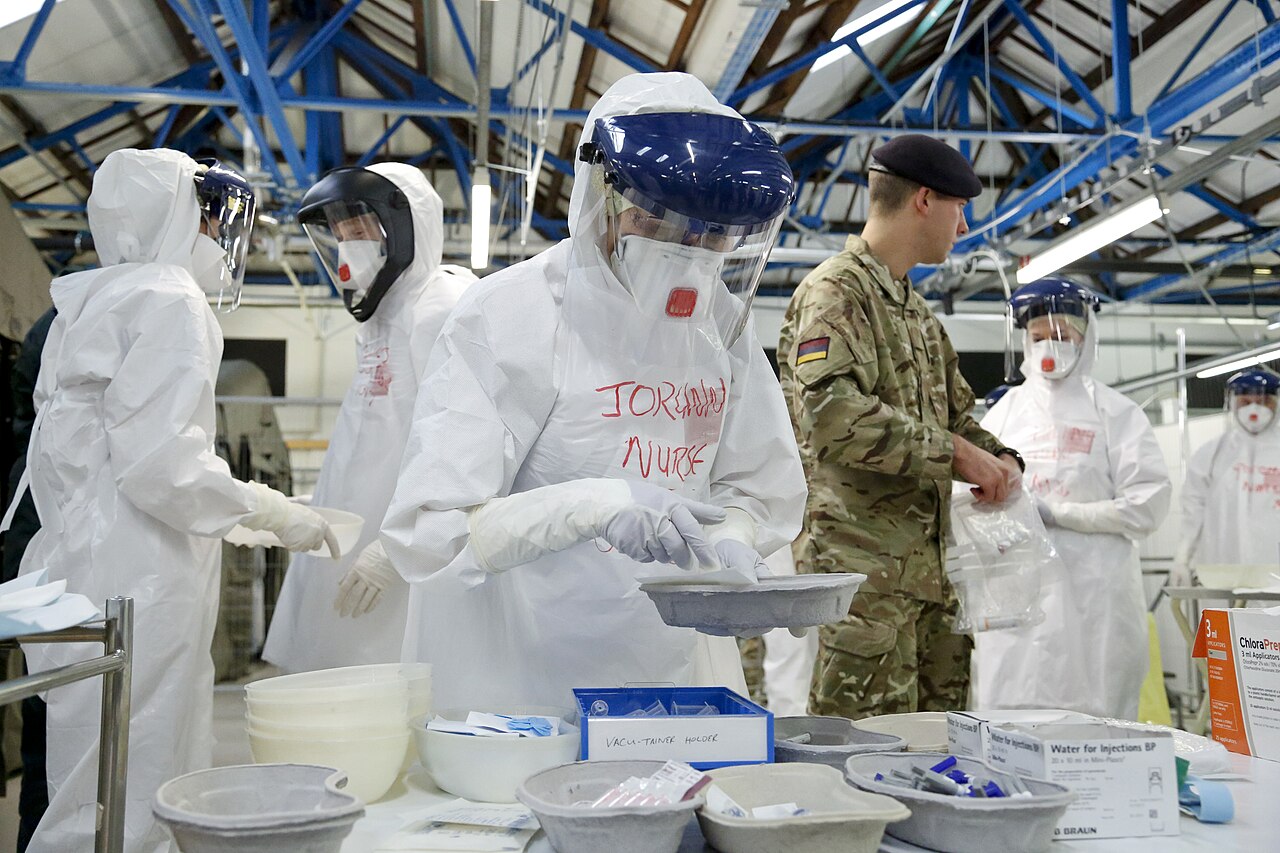
Former CDC Director Robert Redfield warned the 2026 Ebola outbreak in the Democratic Republic of Congo could escalate into a 'very significant pandemic,' with risks of spreading to Tanzania, Sudan, and Rwanda. The outbreak has already caused 34 confirmed cases and 134 suspected deaths, prompting global health alerts and stricter U.S. border screenings after an American worker was evacuated to Germany for treatment." "article": "The 2026 Ebola outbreak in the Democratic Republic of Congo is rapidly worsening, raising alarms among global health officials who warn it could become a major pandemic. As of now, there are 34 confirmed cases and 134 suspected deaths, with 536 additional suspected and 105 probable cases under monitoring. Former CDC Director Robert Redfield stated in a recent interview that current containment efforts may fail to stop the virus from spreading to neighboring countries like Tanzania, Sudan, and Rwanda. Redfield emphasized the urgency of international cooperation, calling the outbreak a 'significant public health concern' due to its late detection and high risk of cross-border transmission. He noted that delays in recognizing the outbreak could allow it to spread further, disrupting economies and social stability. With the World Cup approaching, travel risks have also heightened concerns about global transmission. The first American Ebola case of 2026 was reported when a worker in Congo was exposed to the virus and evacuated to Germany for treatment. In response, the U.S. State Department issued a travel advisory requiring enhanced health screenings for all travelers from Congo, Uganda, or South Sudan arriving in the U.S. within 21 days. The CDC and U.S. Customs and Border Protection now conduct mandatory screenings to prevent domestic outbreaks. Ebola spreads through direct contact with infected bodily fluids or contaminated objects, often proving fatal in severe cases. Health officials stress the need for rapid response measures to contain the virus before it escalates further. The outbreak’s severity has prompted global health agencies to mobilize resources and coordinate efforts to mitigate its impact on affected regions and beyond.
The 2026 Ebola outbreak in the Democratic Republic of Congo is rapidly worsening, raising alarms among global health officials who warn it could become a major pandemic. As of now, there are 34 confirmed cases and 134 suspected deaths, with 536 additional suspected and 105 probable cases under monitoring. Former CDC Director Robert Redfield stated in a recent interview that current containment efforts may fail to stop the virus from spreading to neighboring countries like Tanzania, Sudan, and Rwanda. Redfield emphasized the urgency of international cooperation, calling the outbreak a 'significant public health concern' due to its late detection and high risk of cross-border transmission. He noted that delays in recognizing the outbreak could allow it to spread further, disrupting economies and social stability. With the World Cup approaching, travel risks have also heightened concerns about global transmission. The first American Ebola case of 2026 was reported when a worker in Congo was exposed to the virus and evacuated to Germany for treatment. In response, the U.S. State Department issued a travel advisory requiring enhanced health screenings for all travelers from Congo, Uganda, or South Sudan arriving in the U.S. within 21 days. The CDC and U.S. Customs and Border Protection now conduct mandatory screenings to prevent domestic outbreaks. Ebola spreads through direct contact with infected bodily fluids or contaminated objects, often proving fatal in severe cases. Health officials stress the need for rapid response measures to contain the virus before it escalates further. The outbreak’s severity has prompted global health agencies to mobilize resources and coordinate efforts to mitigate its impact on affected regions and beyond.
This content was automatically generated and/or translated by AI. It may contain inaccuracies. Please refer to the original sources for verification.