El Nino Could Trigger Extreme Fires Worldwide in 2026
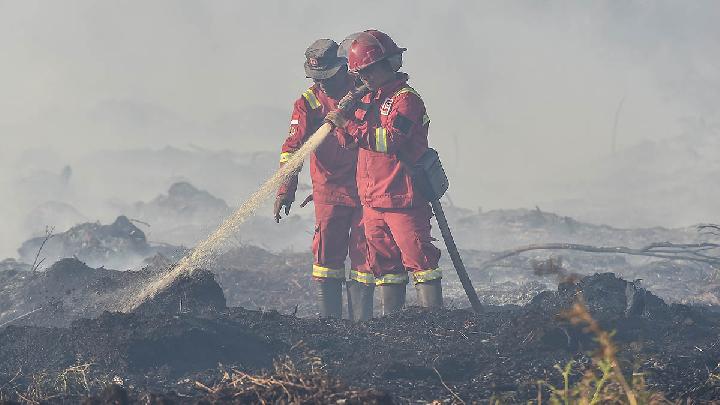
Researchers warn 2026 could see record global wildfires fueled by climate change and a potential 'super' El Niño, with Africa and Asia already experiencing unprecedented burn areas. The World Weather Attribution network reports 85 million hectares burned in Africa this year, exceeding previous records, while El Niño’s emergence may worsen extreme fire conditions globally.
Global wildfire activity in 2026 has surged far beyond average levels, with researchers warning of a "particularly severe year" ahead due to climate change and an impending El Niño event. Theodore Keeping of Imperial College London, part of the World Weather Attribution network, noted that wildfires have scorched 50% more land than usual, with Africa’s burned area already exceeding 85 million hectares—20% higher than the previous record since 2012. West Africa and the Sahel region have seen record burn rates, fueled by unusually high rainfall last season, which created abundant grassland fuel for fires. Asia has also faced extreme outbreaks, with India, Southeast Asia, and northeastern China experiencing nearly 40% more burned area than the previous record year. The U.S. and Australia have likewise seen unseasonably high fire activity early in 2026. Forecasts indicate a 61% chance of a strong El Niño developing between May and July, potentially lasting until the end of the year. If it materializes, scientists warn it could push global wildfire risks to historic highs, compounding the effects of a warming climate. Jemilah Mahmood, a medical doctor at Sunway University, emphasized the health dangers of wildfire smoke, which contains fine particulate matter (PM2.5) up to 10 times more harmful than traffic pollution. A 2024 *Lancet* study linked 1.5 million annual deaths to air pollution, with wildfires expected to worsen this trend. Meanwhile, the World Meteorological Organization (WMO) stated in March that greenhouse gas emissions are driving unprecedented atmospheric and oceanic warming, exacerbating extreme weather patterns. Friederike Otto, co-founder of World Weather Attribution, clarified that while El Niño is a natural cycle, its effects are amplified by long-term climate change. The combination of El Niño and rising global temperatures could trigger severe droughts, heatwaves, and fires in regions typically less prone to them. Experts stress that without urgent action to curb emissions, such extreme fire seasons will become more frequent and intense.
This content was automatically generated and/or translated by AI. It may contain inaccuracies. Please refer to the original sources for verification.