El Nino is here and scientists fear it'll be big, bad and costly with heat, floods, droughts, fires
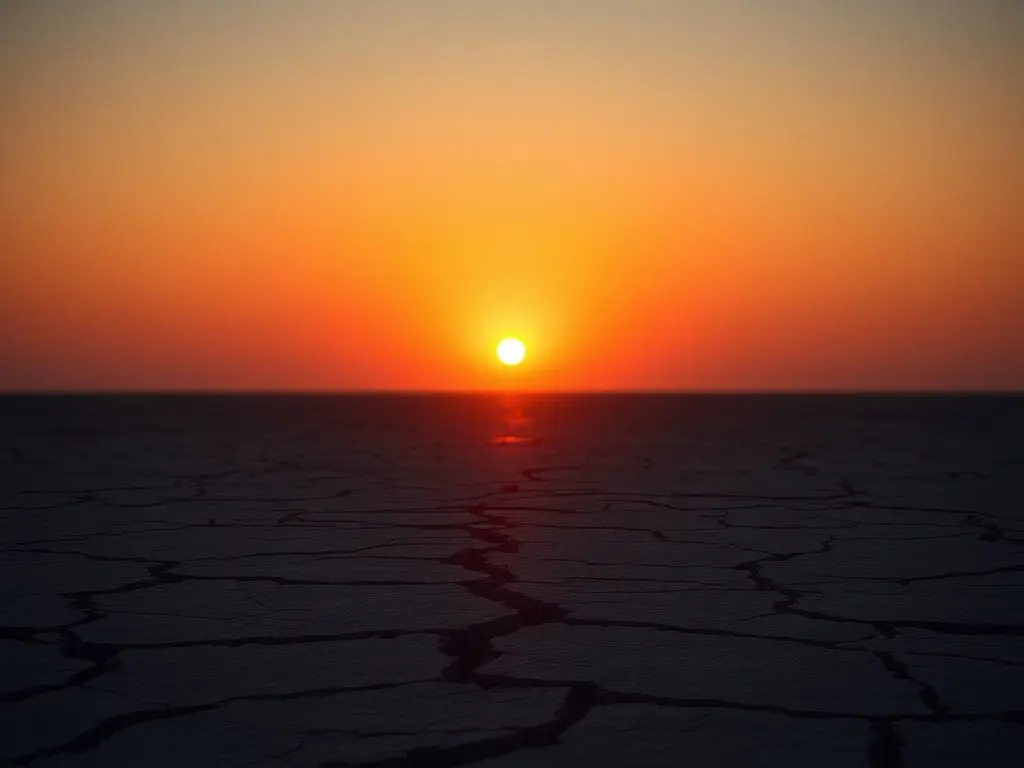
The U.S. National Oceanic and Atmospheric Administration (NOAA) confirmed the formation of El Niño in October 2023, warning it may reach historic strength and intensify global extreme weather, including heatwaves, floods, droughts, and wildfires. Scientists predict this event could rival the 1997 record El Niño, with regional impacts ranging from reduced Atlantic hurricanes to severe droughts in Australia and India, while potentially boosting U.S. soybean production and causing economic slowdowns due to higher temperatures.
The U.S. National Oceanic and Atmospheric Administration (NOAA) officially declared El Niño’s arrival in October 2023, confirming a warming of Pacific equatorial waters that could surge to historic levels. With a 63% chance of becoming one of the strongest events since 1950, this phenomenon is expected to peak in late fall or early winter, exacerbating global extreme weather fueled by fossil fuel-induced warming. El Niño’s effects vary by region: it may suppress Atlantic hurricanes but heighten Pacific storm risks, while drought-stricken areas like the Middle East could see relief. Conversely, western South America faces flooding, India endures intensified heatwaves, and Australia braces for drought and wildfires. Northeastern Africa may experience erratic shifts between extreme drought and heavy rains, according to Columbia University climate scientist Muhammad Azhar Ehsan. In the U.S., El Niño typically brings heavier rainfall to the South and benefits agriculture, particularly soybean production in 18 major growing states, though dairy and cattle sectors face mixed outcomes. The northern Rockies and Southwest could see rare summer rains, while winter impacts often include wetter southern states and warmer, drier Pacific Northwest conditions. Stanford climate economist Marshall Burke warns that elevated temperatures may slow U.S. economic growth. The timing of this El Niño is critical—most events peak in late fall or winter and weaken by spring, but early signs suggest it may intensify sooner. United Nations Secretary-General António Guterres called it an ‘urgent climate warning,’ emphasizing its role in amplifying global warming’s effects. Several scientists project 2027 as the hottest year on record due to lingering El Niño impacts, underscoring the urgent need for climate adaptation. Clark University’s Abby Frazier noted that El Niño’s warm Pacific waters fuel extreme events worldwide, with rapid escalation in vulnerable regions. NOAA’s Climate Prediction Center highlights the potential for widespread disruptions, from agricultural shifts to economic strains, as the phenomenon unfolds.
This content was automatically generated and/or translated by AI. It may contain inaccuracies. Please refer to the original sources for verification.