Electric vehicle sales in Australia hit new high in May
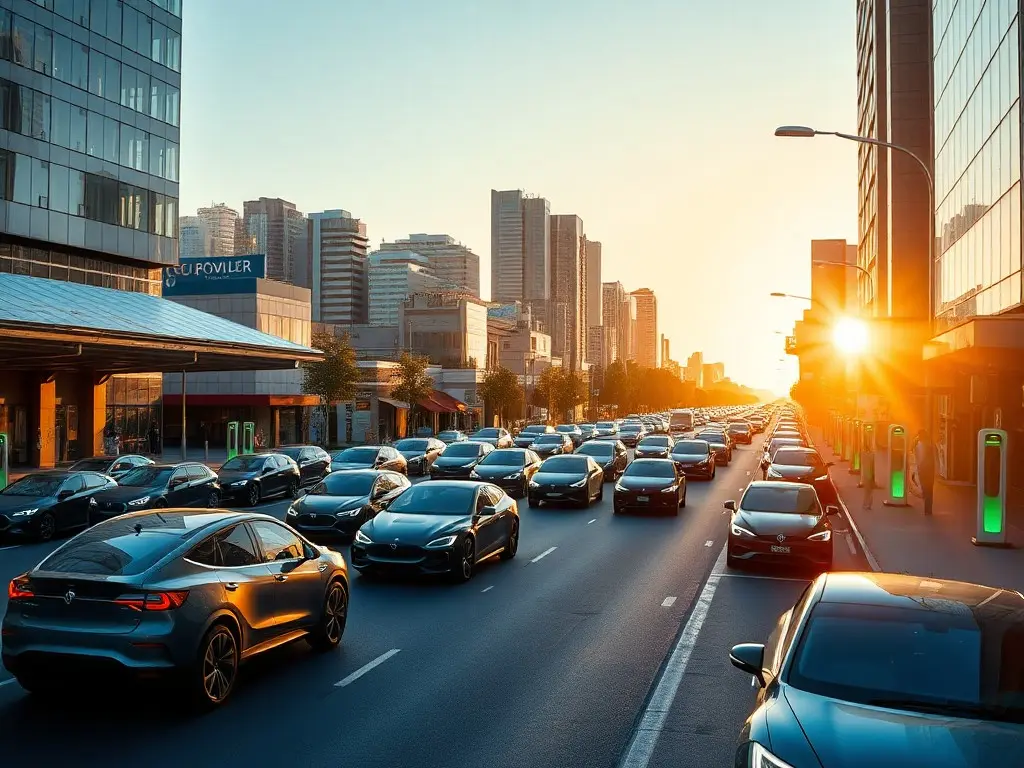
Electric vehicle sales in Australia reached a record high in May, with EVs accounting for one in five new vehicles sold, as fuel security concerns and cheaper Chinese-made models drove demand. The surge included a 377% rise in plug-in hybrid SUV sales, while BYD delivered its first major shipment of nearly 30,000 vehicles to Australia, though cybersecurity concerns persist over Chinese brands.
Electric vehicle (EV) sales in Australia hit a new monthly record in May, with EVs making up 20% of all new vehicles sold. Combined with hybrids and plug-in hybrids, low-emission vehicles accounted for nearly half of total sales, signaling a rapid shift in consumer preferences. Sales of petrol and diesel SUVs dropped by 31% and 41% respectively, while plug-in hybrid SUV sales surged by 377%, according to the Federal Chamber of Automotive Industries. The chamber’s CEO, Tony Weber, noted that consumer demand for EVs is accelerating, though he emphasized the need for expanded charging infrastructure. The rise in EV sales has been partly driven by an influx of cheaper Chinese-made vehicles, including a recent shipment of nearly 5,000 BYD cars arriving in Melbourne. This is the first batch of an upcoming 30,000-vehicle delivery, with most sales occurring after the outbreak of the Iran war in March, which triggered a spike in petrol prices. BYD’s COO, Stephen Collins, confirmed that demand surged during the crisis but has since stabilized. The company has sold over 120,000 vehicles in Australia since its 2022 launch and now operates more than 100 dealerships nationwide. Despite the growth, Chinese EV manufacturers face scrutiny over cybersecurity risks tied to vehicle technology. Professor Marina Zhang from the University of Technology Sydney highlighted concerns about data governance but stressed that these issues are not unique to Chinese brands. She called for clearer regulations on data storage, software access, and procurement standards across all connected vehicles. Australia’s spy agency has also warned against sensitive discussions in any vehicle due to potential vulnerabilities. While the closure of the Strait of Hormuz and rising oil prices initially boosted EV demand, recent fuel tax cuts and strategic reserve releases have eased prices, potentially reducing short-term urgency. However, Zhang argued that the energy-security risks exposed by the crisis will sustain long-term EV adoption. The Electric Vehicle Council’s CEO, Julie Delvecchio, described BYD’s delivery as evidence of Australia’s shifting automotive market, urging continued support for the transition to electric vehicles.
This content was automatically generated and/or translated by AI. It may contain inaccuracies. Please refer to the original sources for verification.