Electricity emissions fall for third consecutive year
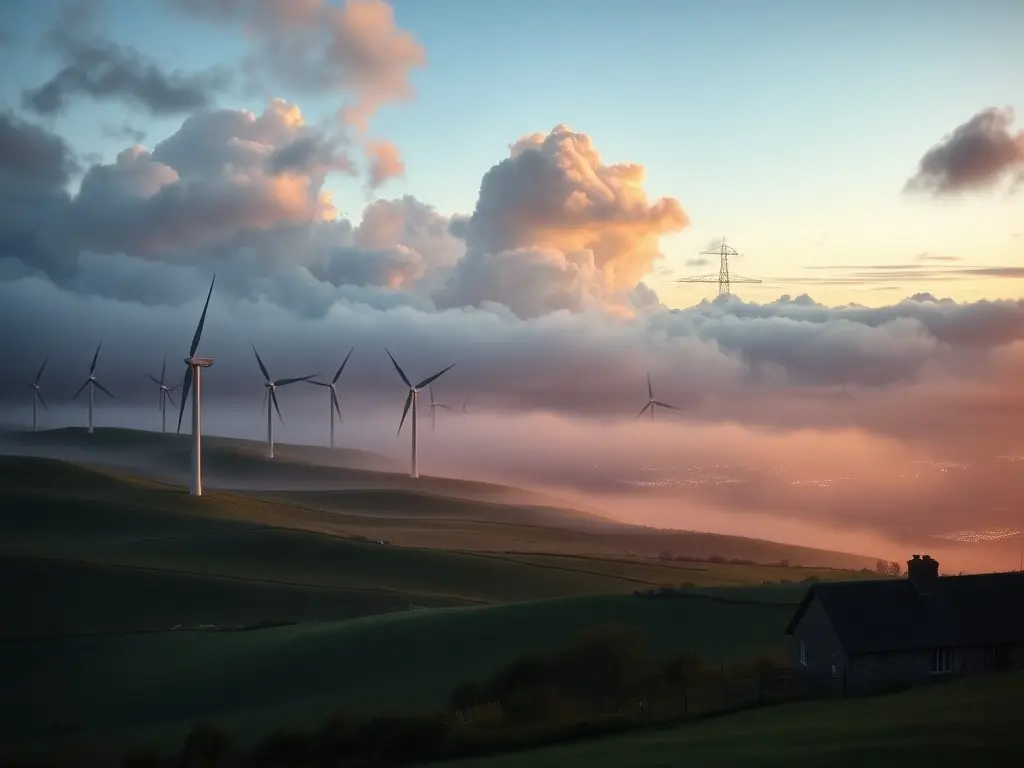
Ireland’s electricity-related greenhouse gas emissions dropped by nearly 9% in 2025, the third consecutive annual decline, driven by phasing out peat and coal, increased wind and solar power, and a 21% rise in electricity imports from the UK. However, the Climate Change Advisory Council warns grid constraints, slow renewable capacity expansion, and rising data center demand are stalling progress toward 2030 climate targets, while energy poverty and extreme weather risks persist.
Ireland’s greenhouse gas emissions from electricity fell by nearly 9% in 2025, marking the third consecutive annual decline despite a 26% increase in electricity consumption since 2018. Emissions are now 40% below 2018 levels, primarily due to the elimination of peat and coal-fired power stations, expanded renewable energy from wind and solar, and a 21% rise in electricity imports from the UK, which now supplies 17% of Ireland’s total demand—23 times more than in 2022. Imported electricity emissions are excluded from Ireland’s national totals, but the Climate Change Advisory Council warns global energy market instability, including Middle East conflict impacts, continues to expose the country to fossil fuel price volatility and supply risks. The report highlights critical gaps in Ireland’s energy transition, including grid constraints that wasted 10% of available renewable energy last year and a shortfall in new wind and solar capacity—just 0.8 gigawatts added in 2025, far below the 2 gigawatts needed annually to meet 2030 targets. Renewable energy’s share of demand has stagnated as data center electricity use surges, offsetting new clean energy additions. The council urges the government to fast-track grid reinforcement projects under the Critical Infrastructure Bill, ensuring clear timelines and accountability while preserving climate obligations for public bodies. Ireland faces severe energy affordability challenges, with the highest household electricity prices in the EU and 319,000 households in arrears. The council calls for targeted energy supports in Budget 2027, including grants for domestic battery storage and changeover switches to improve resilience. It also cites Storm Éowyn in January 2025, which left 768,000 customers without power for up to 18 days and disrupted water, telecommunications, and health services, underscoring the need for low-emissions backup solutions. To address extreme weather risks, the council recommends treating electricity resilience as a core part of national climate adaptation planning. It advises the HSE, Uisce Éireann, and telecommunications operators to invest urgently in large-scale backup power for critical infrastructure vulnerable to cascading outages. Chairperson Alex White emphasized that without grid, storage, and capacity upgrades, Ireland will remain dependent on volatile imported fossil fuels, delaying broader benefits of renewable energy for households and businesses.
This content was automatically generated and/or translated by AI. It may contain inaccuracies. Please refer to the original sources for verification.