Elon Musk explains to Jamie Dimon why AI cannot 'physically' survive on Earth: You can only …
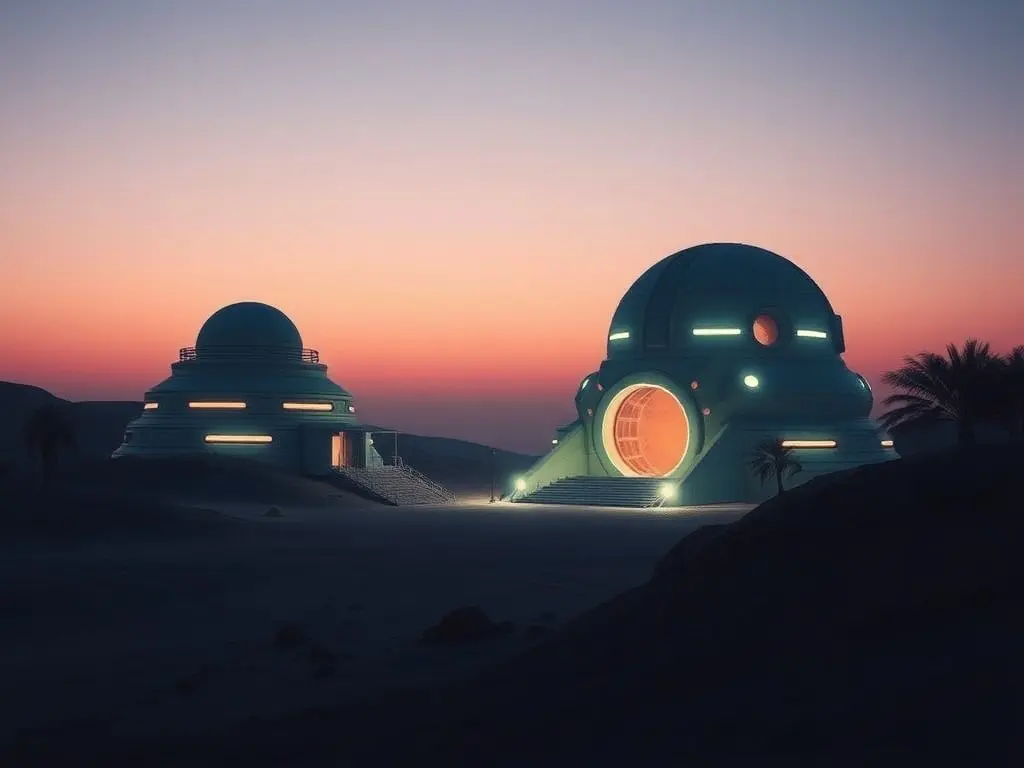
Elon Musk argued during a conversation with JPMorgan Chase CEO Jamie Dimon that Earth’s physical limits could restrict AI computing growth, suggesting the Moon could host up to 1,000 terawatts of AI capacity compared to Earth’s 1 terawatt. He proposed using electromagnetic accelerators on the Moon to deploy AI data centers without rockets and outlined a vision for lunar infrastructure before expanding to Mars.
Elon Musk discussed the constraints of Earth’s ability to support AI growth during a conversation with JPMorgan Chase CEO Jamie Dimon. He estimated Earth could handle roughly 1 terawatt of AI computing power annually, but the Moon could accommodate 1,000 terawatts or more due to its lower gravity and lack of atmosphere. Musk suggested the Moon’s environment allows for electromagnetic accelerators, such as railgun-like systems, to launch AI data centers into deep space without traditional rockets. The Moon’s advantages include reduced infrastructure demands and easier deployment of large-scale AI systems. Musk emphasized that building a self-sustaining city on the Moon could be faster than on Mars, positioning it as a critical step before expanding further into space. Regarding Mars, Musk described it as a 'fixer-upper' with potential to become more Earth-like through terraforming. He suggested warming the planet to create liquid oceans and habitable conditions, eventually allowing humans to live without spacesuits. Musk’s vision aligns with his broader goals of advancing space colonization, leveraging the Moon as a testing ground for AI and infrastructure before targeting Mars. The discussion highlighted the need for off-world solutions to overcome Earth’s physical and energy limitations for AI development.
This content was automatically generated and/or translated by AI. It may contain inaccuracies. Please refer to the original sources for verification.