Embracing intelligence
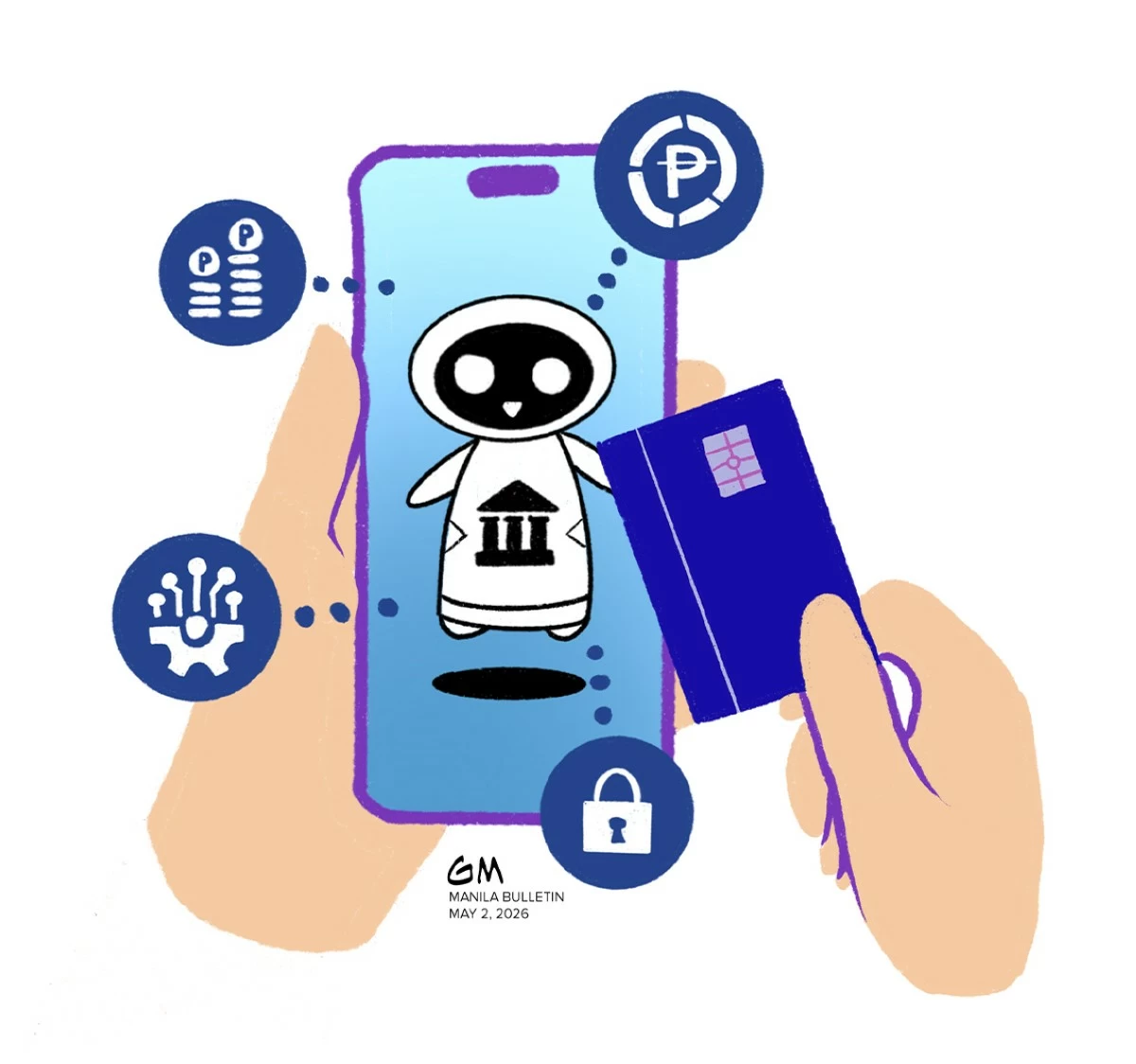
Two recent studies show that artificial intelligence (AI) is reshaping the Philippine economy, widening financial inclusion and automating tasks, but also posing challenges such as financial exclusion and cybersecurity threats. The studies highlight the need for investments in digital infrastructure, AI education, and cybersecurity to mitigate these risks.
Artificial intelligence (AI) is transforming the Philippine economy, changing how Filipinos save, borrow, spend, work, and do business. A study by the Philippine Institute for Development Studies (PIDS) found that digital finance and AI can significantly widen financial inclusion, with a one-unit increase in the Digital Financial Engagement Index linked to a 78.5-percentage-point rise in formal account ownership. Large banks are using AI for fraud detection and credit risk management, while digital platforms rely on AI to assess creditworthiness. However, financial exclusion remains high, with over half of Filipino adults unbanked, and cybersecurity threats are rising. A second study by Aon found that only 17 percent of Philippine employers can recruit workers with AI skills, despite nearly half of firms already deploying AI. Employers must invest in reskilling and upskilling employees, while government must improve internet connectivity and electricity access in rural areas. Workers must also invest in continuous learning to remain relevant in an AI-driven economy.
This content was automatically generated and/or translated by AI. It may contain inaccuracies. Please refer to the original sources for verification.