Embryos made without sperm or eggs reveal why many pregnancies fail
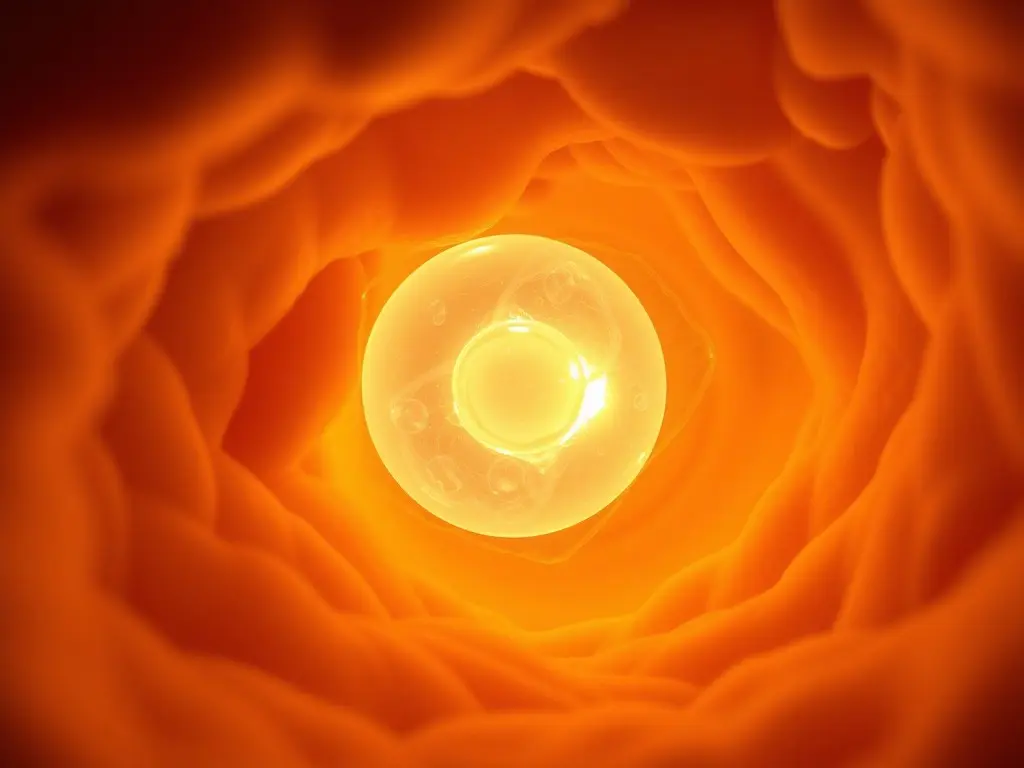
Scientists in Vienna and Cambridge have created lab-grown embryo models called blastoids to study early pregnancy failures, discovering that only about a third of embryos successfully implant in the uterus. Two new studies this year successfully replicated the implantation process in a dish using blastoids and a 3D endometrium model, with over 80% of blastoids implanting within three days.
Researchers in Vienna have developed lab-grown embryo models called blastoids using human stem cells, offering new insights into early pregnancy failures. These models, created without sperm or eggs, replicate the early stages of embryo development and help explain why around 60% of IVF transfers fail. The breakthrough allows scientists to observe implantation—the critical process where an embryo attaches to the uterus—something previously impossible to study in humans. In 2021, teams including Nicolas Rivron at the Institute of Molecular Biotechnology in Vienna created blastoids from pluripotent stem cells, which mimic early embryonic cells. This year, two studies advanced the research by recreating the endometrium—the uterine lining—in a 3D model. Peter Rugg-Gunn’s team at the University of Cambridge combined blastoids with endometrium samples from healthy women, achieving over 80% successful implantation in lab conditions within three days. The findings address a long-standing mystery: why most embryos fail to implant. Previous research relied on mice or discarded human embryos, but blastoids provide a controlled, observable environment. Scientists can now manipulate embryo models to test how they respond to different conditions, potentially improving IVF success rates and treatments for pregnancy-related disorders. Ethical concerns arise as researchers extend the lifespan of these models, questioning how far lab-based embryo studies should proceed. Despite progress, the technology remains experimental, with ongoing debates about its implications for human reproduction and ethics. The research highlights how blastoids could revolutionize reproductive science, offering solutions to early pregnancy failures and deeper biological understanding.
This content was automatically generated and/or translated by AI. It may contain inaccuracies. Please refer to the original sources for verification.