Emerging viruses
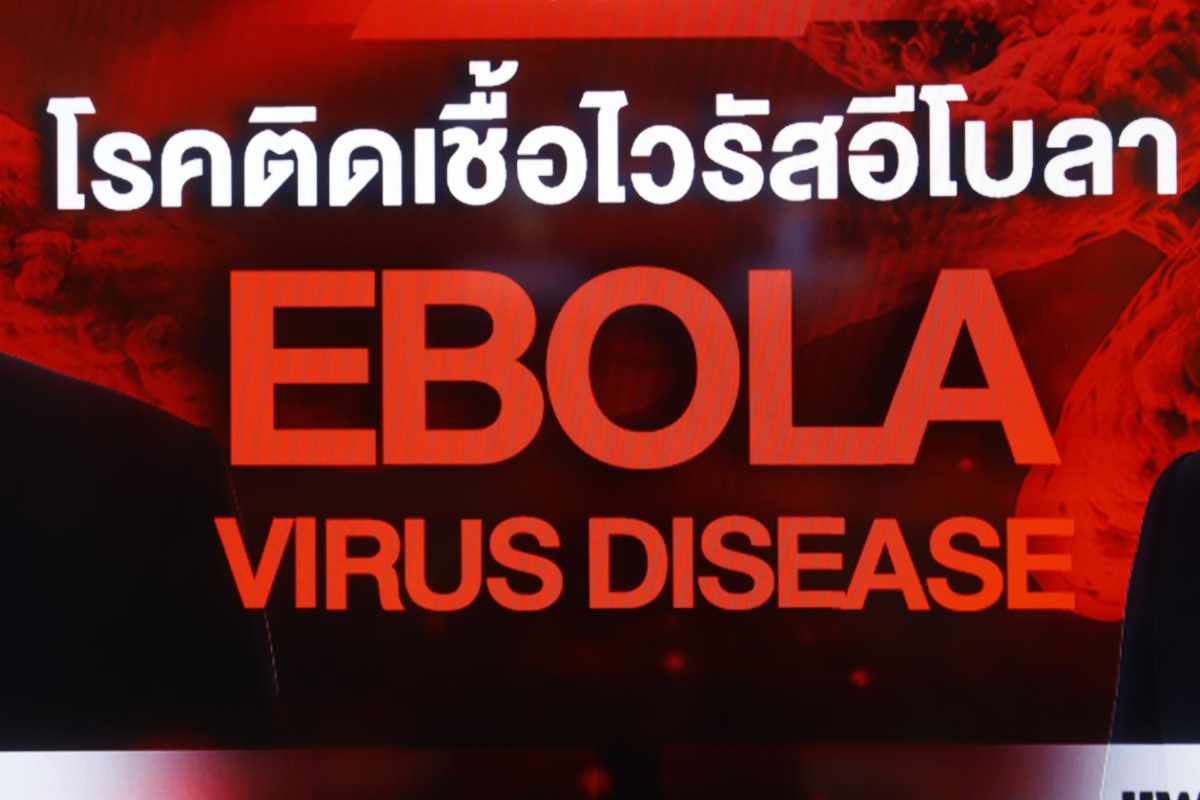
Thailand’s Department of Disease Control refuted false claims of Ebola entering the country after a visitor from the Democratic Republic of the Congo was quarantined but found disease-free, while Kasetsart University hosted a forum on global epidemic preparedness. Experts warned climate change and human behavior, including deforestation and intensive livestock farming, are accelerating zoonotic disease transmission, such as avian influenza and anthrax outbreaks from thawing permafrost.
Thailand’s government dismissed rumors of Ebola entering the country on May 29, confirming a visitor from the Democratic Republic of the Congo’s infected zone was quarantined at Bamrasnaradura Infectious Diseases Institute but tested negative for exposure. The Department of Disease Control clarified the panic stemmed from misinformation, though the case highlighted ongoing surveillance efforts for emerging infectious diseases. Kasetsart University organized an online forum titled *The Future of Global Epidemics: How Prepared Is Thailand in the Era of Emerging Infectious Diseases?* to assess Thailand’s readiness for outbreaks like Ebola, Nipah virus, Hantavirus, mpox, and avian influenza. Asst Prof Dr Waraphon Phimpraphai, dean of the Faculty of Veterinary Medicine, emphasized that zoonotic diseases—transmitted between animals and humans—now spread bidirectionally, with over 200 known types accounting for 75% of emerging infections. Climate change exacerbates this risk by expanding vector ranges, disrupting habitats, and triggering wildlife migration. For example, Asian tiger mosquitoes now feed at night due to warming temperatures, spreading dengue and malaria to new regions. Deforestation forces animals into urban areas, increasing human-animal contact, while thawing permafrost releases ancient pathogens, as seen in Russia’s 2016 anthrax outbreak from reindeer carcasses. Human behavior also drives transmission, such as consuming raw meat dishes like *larb lu*, which carries *Streptococcus suis* risks, or intensive livestock farming, which fuels viral mutations like avian influenza. Urban expansion further encroaches on wildlife habitats, creating more spillover opportunities. Experts stressed Thailand’s need for stronger surveillance and public health measures to mitigate these interconnected threats.
This content was automatically generated and/or translated by AI. It may contain inaccuracies. Please refer to the original sources for verification.