Energy Crisis Playbook: What It means for BWP, DRR, BSL, BGA, and MPL
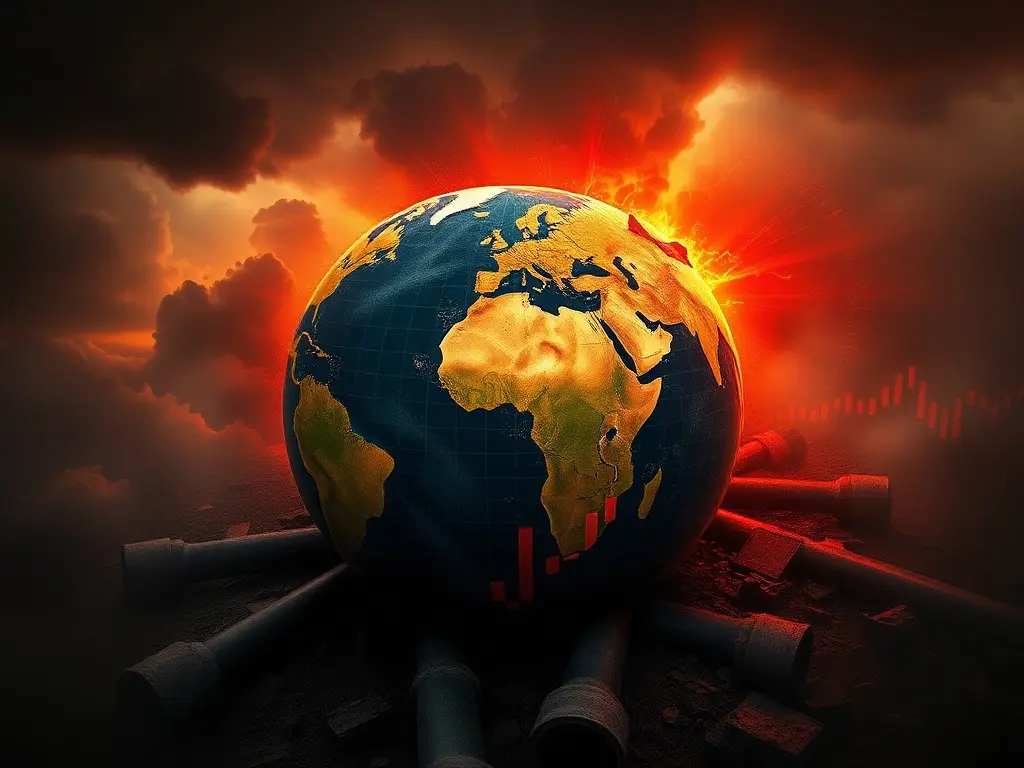
The global economy is facing a historically rare and structurally consequential phase due to multiple shocks unfolding simultaneously across geopolitics, energy systems, and financial markets. The escalation of hostilities in the Middle East has disrupted global energy flows, leading to a broad repricing of financial risk.
The global economy is navigating a phase that is both historically rare and structurally consequential. The escalation of hostilities in the Middle East, specifically the conflict involving the United States, Israel, and Iran that began on February 28, 2026, has disrupted global energy flows. The Strait of Hormuz, through which 20% to 35% of the world's seaborne oil and liquefied natural gas moves, has become a tangible constraint on global energy flows. As of May 4, 2026, energy markets remain volatile, with Brent crude trading around US$107.74 and West Texas Intermediate near US$101. The transmission of higher energy prices into broader inflation is already underway, with forecasts pointing to a 24% aggregate increase in energy prices through 2026.
This content was automatically generated and/or translated by AI. It may contain inaccuracies. Please refer to the original sources for verification.