Energy leaders: AI is the next space race, and U.S. is playing catch up
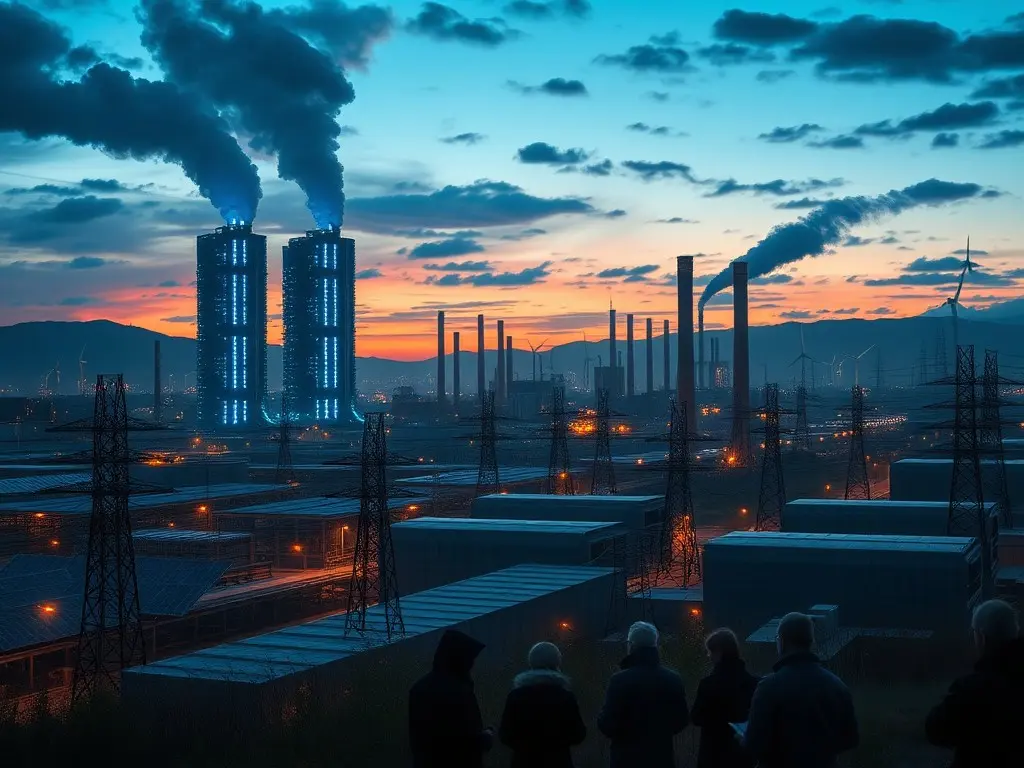
Industry leaders at the Operation Gigawatt Summit in Utah warned that the U.S. risks falling behind China in AI development due to stagnant energy production, predicting AI data centers could consume 100% of current U.S. energy by 2030. Experts emphasized the need for rapid energy expansion—including solar, nuclear, gas, and coal—along with updated infrastructure and improved community engagement to avoid public backlash and misinformation." "article": "Energy and AI industry leaders gathered at the Operation Gigawatt Summit in Park City, Utah, on Friday warned that the U.S. is trailing China in the AI-driven energy race. Sal Churi of Trust Ventures stated that China’s ability to produce power efficiently will determine future AI dominance, while U.S. energy production has stagnated despite rising demand from AI data centers. By 2030, AI data centers could consume all current U.S. energy output, requiring significant expansion of solar, nuclear, gas, and coal sources to meet demand. Panelists highlighted outdated infrastructure and regulatory hurdles as major obstacles, stressing that policymakers must prioritize speed and certainty for strategic projects. Utah Congressman Mike Kennedy proposed positioning Utah as a national energy leader, ensuring affordable power for residents while supporting energy exports. However, community opposition—fueled by misinformation—has slowed progress, with critics exaggerating concerns like water usage in data centers. Experts like Ernie Rogers of CoreWeave and Seth Cohen from the U.S. Department of Energy urged better communication to counter misconceptions, comparing current resistance to past nuclear energy fears. They argued that AI infrastructure will drive economic benefits, including lower costs for consumers, but stressed that public support is essential. Without accelerated energy development and community buy-in, the U.S. risks losing its competitive edge in AI innovation.
Energy and AI industry leaders gathered at the Operation Gigawatt Summit in Park City, Utah, on Friday warned that the U.S. is trailing China in the AI-driven energy race. Sal Churi of Trust Ventures stated that China’s ability to produce power efficiently will determine future AI dominance, while U.S. energy production has stagnated despite rising demand from AI data centers. By 2030, AI data centers could consume all current U.S. energy output, requiring significant expansion of solar, nuclear, gas, and coal sources to meet demand. Panelists highlighted outdated infrastructure and regulatory hurdles as major obstacles, stressing that policymakers must prioritize speed and certainty for strategic projects. Utah Congressman Mike Kennedy proposed positioning Utah as a national energy leader, ensuring affordable power for residents while supporting energy exports. However, community opposition—fueled by misinformation—has slowed progress, with critics exaggerating concerns like water usage in data centers. Experts like Ernie Rogers of CoreWeave and Seth Cohen from the U.S. Department of Energy urged better communication to counter misconceptions, comparing current resistance to past nuclear energy fears. They argued that AI infrastructure will drive economic benefits, including lower costs for consumers, but stressed that public support is essential. Without accelerated energy development and community buy-in, the U.S. risks losing its competitive edge in AI innovation.
This content was automatically generated and/or translated by AI. It may contain inaccuracies. Please refer to the original sources for verification.