Energy, water use, and pollution by data centers is expected to double in four years
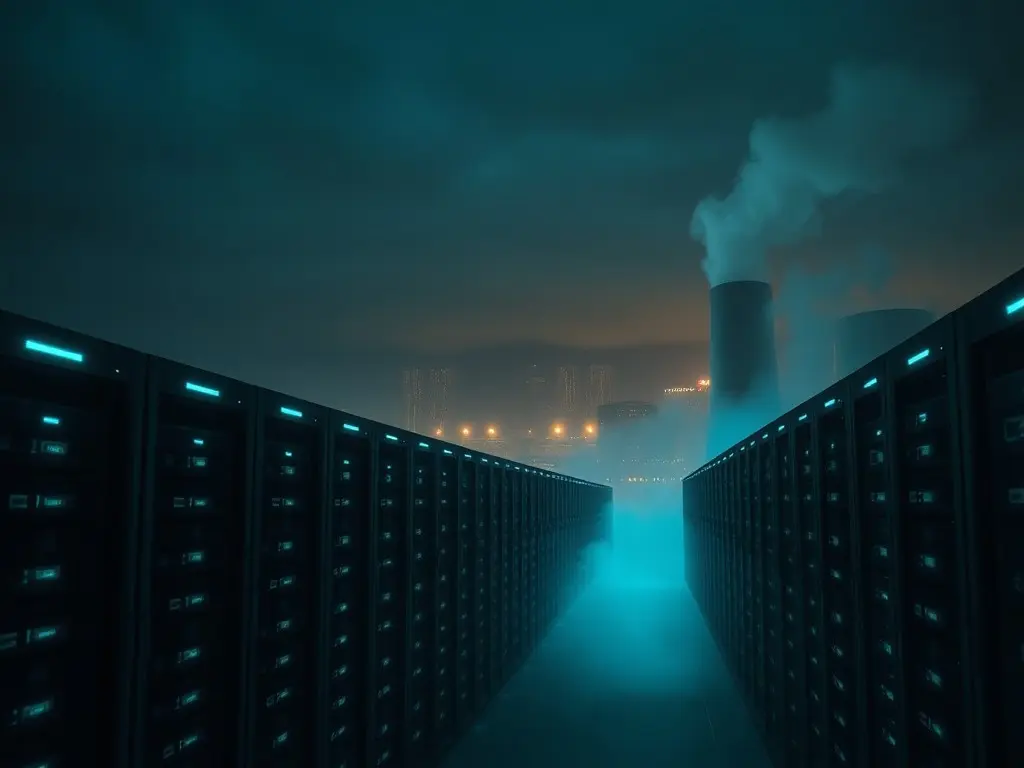
A United Nations University report warns global data centers already consume more electricity than all but 10 countries, emitting 208 million tons of CO2 annually, and predicts their energy use, water consumption, and pollution will double by 2030 due to AI growth. The report highlights AI’s rising share of data center energy use—currently 20%, projected to reach 40% by 2030—while industry groups emphasize efficiency gains and environmental responsibility efforts.
A United Nations University report released Wednesday reveals that data centers currently consume 448 trillion watt-hours of electricity annually, surpassing all but 10 countries globally. Their operations produce 208 million tons of carbon dioxide—equivalent to Argentina’s emissions—and require 1.2 trillion gallons of water for cooling. By 2030, data center energy use is projected to nearly triple to 935 trillion watt-hours, accounting for 3% of global electricity demand and ranking sixth among nations if considered a country. The surge is driven by artificial intelligence, which already accounts for 20% of data center energy consumption and is expected to reach 40% by 2030. The report underscores AI’s hidden environmental costs, despite its perceived cleanliness compared to visible pollution sources like cars or factories. Kaveh Madani, co-author and director of the UN University Institute for Water, Environment and Health, noted that AI’s infrastructure demands real-world resources, including energy and water, despite its digital appearance. The study is the first global assessment of AI’s ecological impact, combining carbon, water, land use, and environmental justice concerns. Fengqi You, a Cornell University energy engineering professor, called the U.N. report’s holistic approach valuable for addressing an issue often obscured by partial disclosures. While experts urge public concern without panic, industry leaders like the National Artificial Intelligence Association and Data Center Coalition emphasize ongoing efforts to improve efficiency and transparency. Critics, including Jean Su of the Center for Biological Diversity, highlight the report’s significance in exposing AI’s environmental harms. Meanwhile, industry groups stress AI’s broader societal benefits, such as improved safety, healthcare, and food production, while committing to responsible growth. The report’s findings suggest urgent need for sustainable practices to mitigate data centers’ expanding environmental footprint.
This content was automatically generated and/or translated by AI. It may contain inaccuracies. Please refer to the original sources for verification.