Epidemiologist answers 3 frequently asked questions about the Ebola outbreak
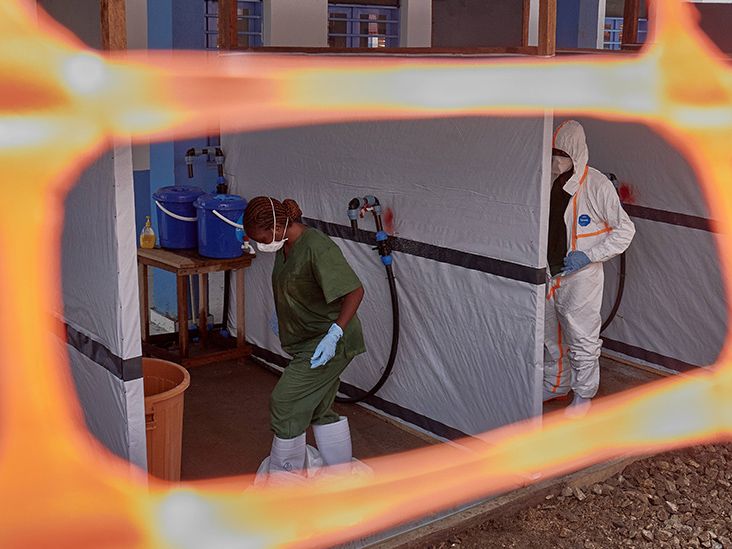
The Ebola outbreak in the Democratic Republic of the Congo (DRC) has surged to 837 confirmed cases and 196 deaths as of June 16, 2026, with the Bundibugyo strain driving the epidemic in Ituri, North Kivu, and South Kivu provinces. Experts warn the true case count may be higher due to delayed confirmation and reduced contact tracing, while global spread remains unlikely despite the absence of vaccines or treatments for this strain.
The Ebola outbreak in the Democratic Republic of the Congo (DRC) has escalated sharply, with 837 confirmed cases and 196 deaths reported by June 16, 2026. The latest surge includes 72 new cases and 29 deaths recorded on June 13 alone, marking one of the highest daily increases since the outbreak was declared on May 15. The epidemic is concentrated in Ituri province, accounting for 767 cases across 20 health zones, with additional cases in North Kivu and South Kivu. The outbreak is caused by the Bundibugyo strain of Ebola, a distinct variant with no existing vaccines or treatments, unlike the more common Zaire strain responsible for past outbreaks. Health authorities suspect the virus spread weeks before official confirmation, and contact tracing coverage has dropped to 64.4% across the affected provinces, complicating efforts to curb transmission. Infectious disease expert Monica Gandhi, a professor at the University of California, San Francisco, noted the severity of symptoms, including headache, muscle aches, fever, abdominal pain, cough, sore throat, and eventual hemorrhage. She emphasized that while the outbreak is severe, the risk of global spread remains low, as confirmed by the Centers for Disease Control and Prevention (CDC). Efforts to contain the virus face challenges, including underreported cases and limited healthcare infrastructure in remote regions. The World Health Organization (WHO) has not yet declared this a global health emergency, but the situation continues to evolve rapidly. An American medical missionary who contracted Ebola in the DRC returned to the U.S. in May but tested negative upon arrival, reinforcing CDC’s assessment of minimal external risk.
This content was automatically generated and/or translated by AI. It may contain inaccuracies. Please refer to the original sources for verification.