Erin Brockovich targets data centers. Why they're controversial
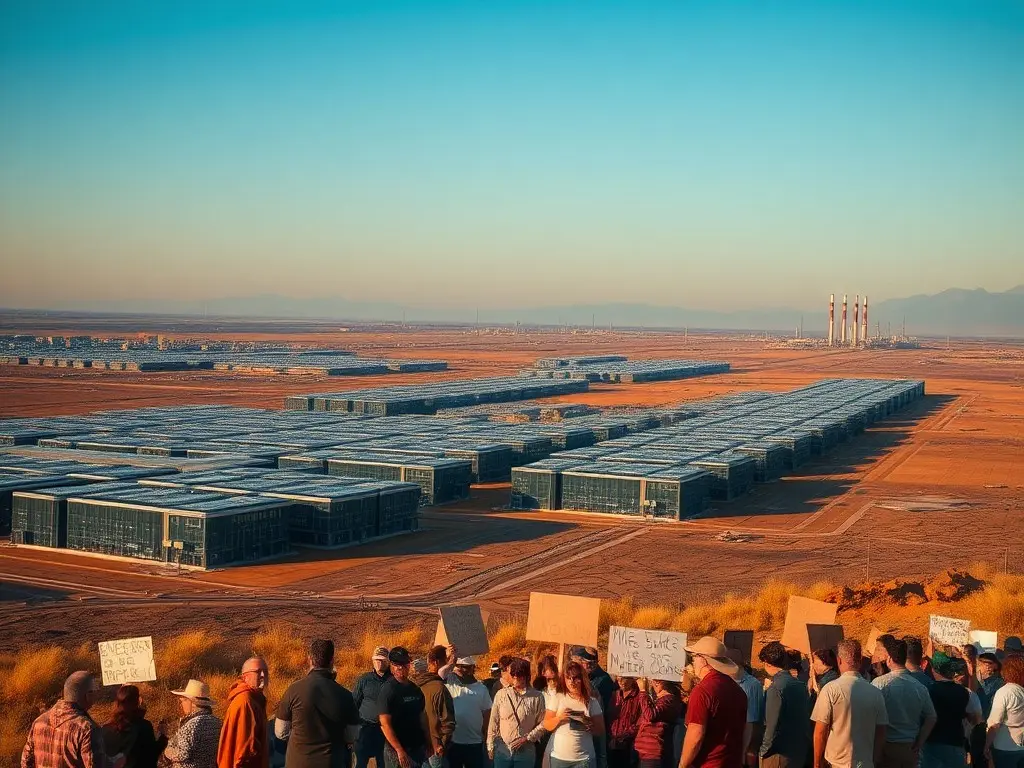
Environmental activist Erin Brockovich launched a website in April to track AI data centers in the U.S., documenting over 3,600 facilities, including operational, under-construction, and proposed sites. Her initiative highlights growing public opposition—70% of Americans oppose local data centers—due to concerns over energy, water usage, pollution, and job quality, while industry advocates argue they drive technological progress and economic benefits.
Environmental activist Erin Brockovich has launched a new website, Brockovich AI Data Center Reporting, to increase transparency around the rapid expansion of data centers in the United States. Since its April 27 debut, the platform has cataloged over 3,600 AI data centers across an interactive map, allowing users to report issues and track facilities in operation, under construction, or proposed. The initiative comes as opposition to data centers grows, with 70% of Americans opposing their construction in their communities, according to a May Gallup poll. Brockovich, known for her work on contaminated water cases, cites reports from residents who feel their communities were misled about safety risks, including water and air quality concerns. Data centers, which house servers and networking equipment essential for digital services, have surged in number—over 4,300 exist in the U.S.—with Virginia leading as the 'data center capital of the world' and home to more than 600 facilities. Critics argue these centers drain energy and water, pollute air, disrupt neighborhoods with noise, and create mostly temporary jobs, while supporters claim they fuel AI innovation, provide high-paying roles, and boost local economies. Some states are tightening regulations to address environmental and operational concerns, though industry advocates insist data centers remain vital for technological advancement. Brockovich’s platform aims to give communities a voice amid the rapid, often unnoticed growth of these facilities across the country.
This content was automatically generated and/or translated by AI. It may contain inaccuracies. Please refer to the original sources for verification.