EV tax break costing billions is mostly benefiting Australia’s high-income earners
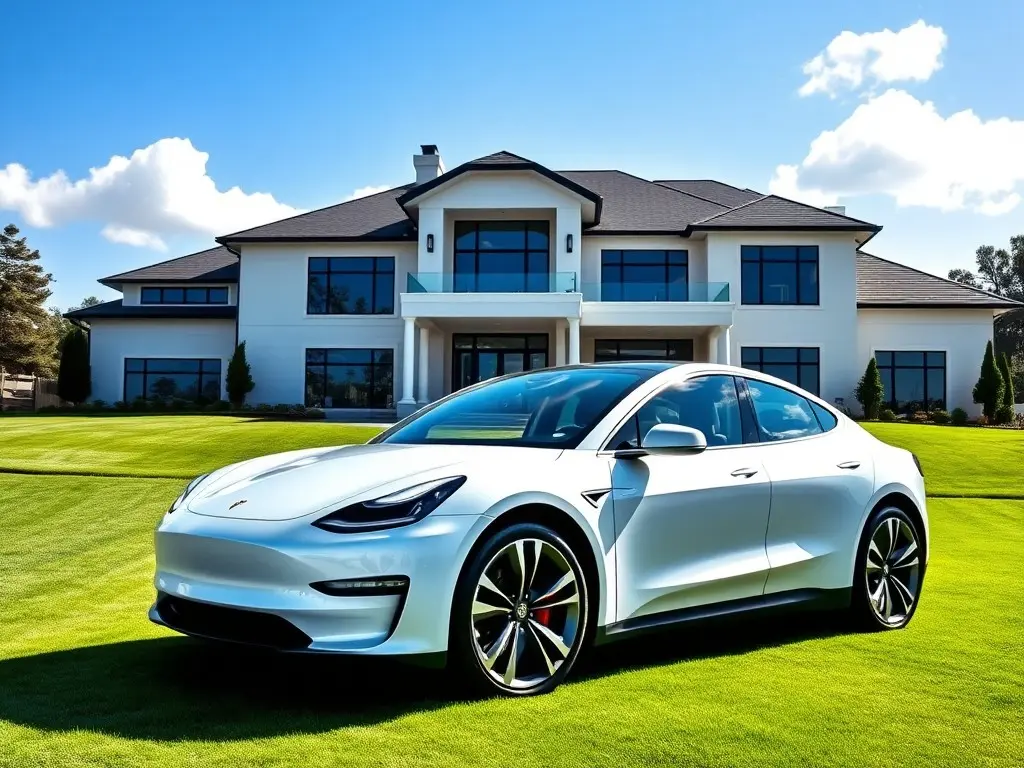
An Australian electric vehicle tax break, initially pitched as a cost-of-living measure, is mostly benefiting high-income earners, with 30.6% of recipients earning over $190,000. The scheme's cost has ballooned to $1.4 billion, with projections showing it could reach $3 billion by 2028-2029.
An Australian electric vehicle tax break is benefiting high-income earners, despite being pitched as a cost-of-living measure. Australian Taxation Office data shows 30.6% of drivers using the Fringe Benefit Tax exemption earn over $190,000, while 24% earn between $135,000 and $190,000. The scheme's cost has reached $1.4 billion, far exceeding initial estimates of $90 million per year. The policy allows workers to salary-package EVs using pre-tax income, delivering larger savings to higher-income earners. The e61 Institute found that higher-income earners receive larger effective subsidies for the same emissions reduction. Kia Australia's CEO Damien Meredith argues the policy distorts the market and should be scrapped in favor of funding charging infrastructure.
This content was automatically generated and/or translated by AI. It may contain inaccuracies. Please refer to the original sources for verification.