Ex-teacher argues air-conditioning in classrooms is not a luxury but a necessity
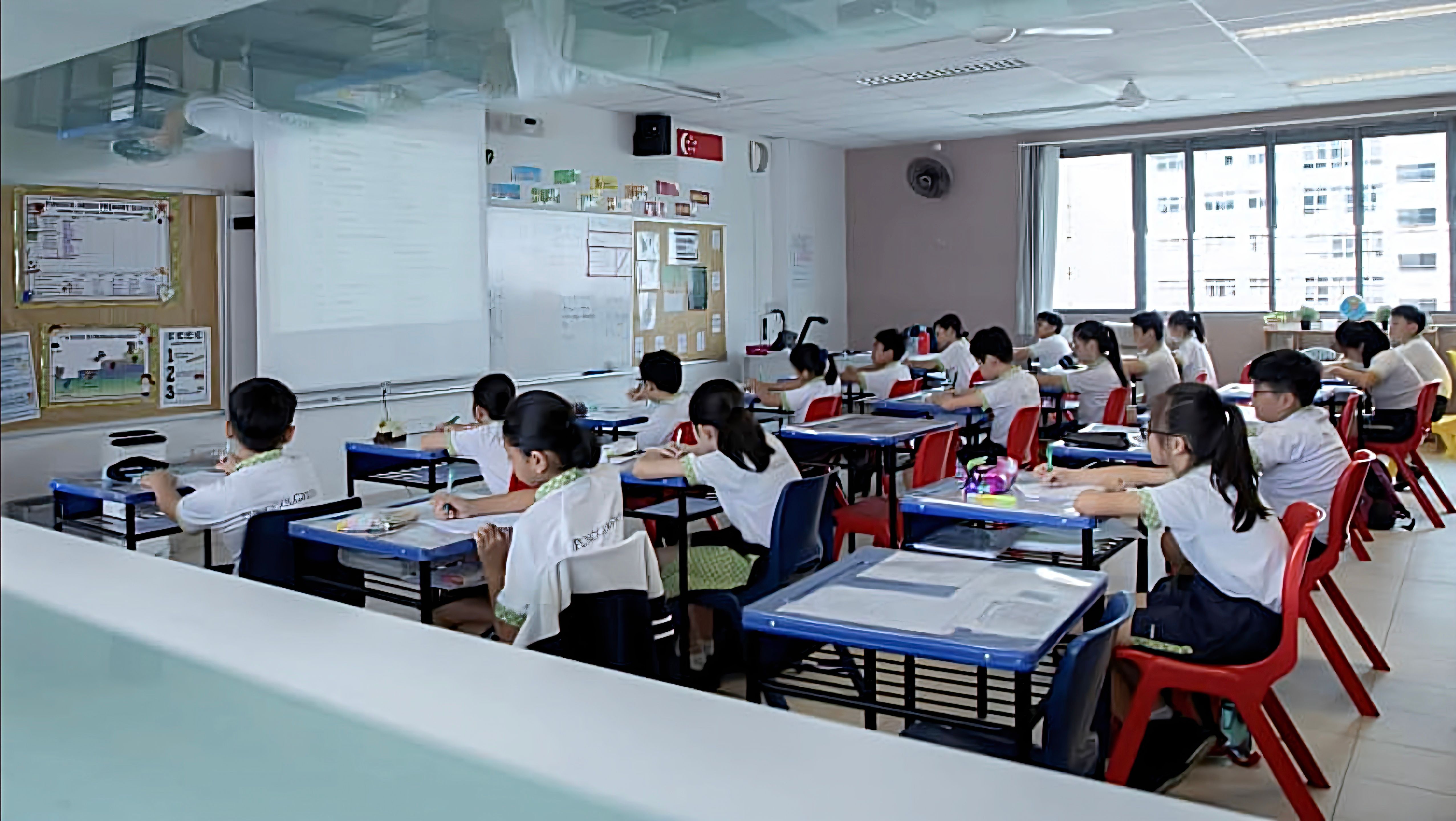
Workers’ Party MP Kenneth Tiong renewed calls for air-conditioning in Singapore’s public school classrooms, citing cognitive performance drops of up to 18% in warm environments and arguing the cost would be under S$100 million, less than 1% of MOE’s budget. Former teacher Desiree Tan backed the proposal, describing classrooms as ‘thick and sweltering’ with fans failing to alleviate heat, particularly during peak midday temperatures.
Singapore’s debate over air-conditioning in public school classrooms resurfaced during this year’s Committee of Supply debates, led by Workers’ Party MP Kenneth Tiong. Tiong highlighted that around 420,000 students study daily in uncooled classrooms, citing a National University of Singapore study that found cognitive performance could decline by up to 18% in warm conditions. He proposed introducing indoor temperature standards and phasing in mixed-mode air-conditioning, estimating the cost at under S$100 million—less than 1% of the Ministry of Education’s budget. The issue stems from a lack of temperature regulations in Singapore’s public schools, unlike many international and independent institutions. Tiong argued that students in neighborhood schools—often from lower-income families—bear the brunt of these conditions, calling it ‘thermal inequality.’ His proposal follows the government’s 2025 commitment to ‘explore’ the issue, which has yet to yield action. Former primary school teacher Desiree Tan supported the push in a forum letter, describing classrooms as increasingly unfit for learning. She noted that ceiling fans merely recirculate warm air and create noise, forcing teachers to raise their voices. Conditions worsened after recess, when students returned exhausted and sweating as temperatures peaked midday. Tan argued that passive cooling measures like cool paint and faster fans are insufficient and urged MOE to modernize classrooms to reflect Singapore’s climate realities. Online reactions were mixed, with critics warning that large-scale air-conditioning could raise electricity consumption and worsen greenhouse gas emissions. Supporters, however, emphasized the urgency of rising temperatures, with teacher Otto Fong (partial quote) and others echoing concerns about compromised learning. Tan’s letter resonated with educators, reinforcing calls for fair access to comfortable learning environments across all schools. The debate underscores broader infrastructure gaps in Singapore’s public education system, where outdated designs clash with modern climate challenges. Tiong’s proposal remains pending, but advocates argue that investing in classroom upgrades is a necessary step to ensure equitable learning conditions for all students.
This content was automatically generated and/or translated by AI. It may contain inaccuracies. Please refer to the original sources for verification.