Exams watchdog warns of rise in high-tech cheating
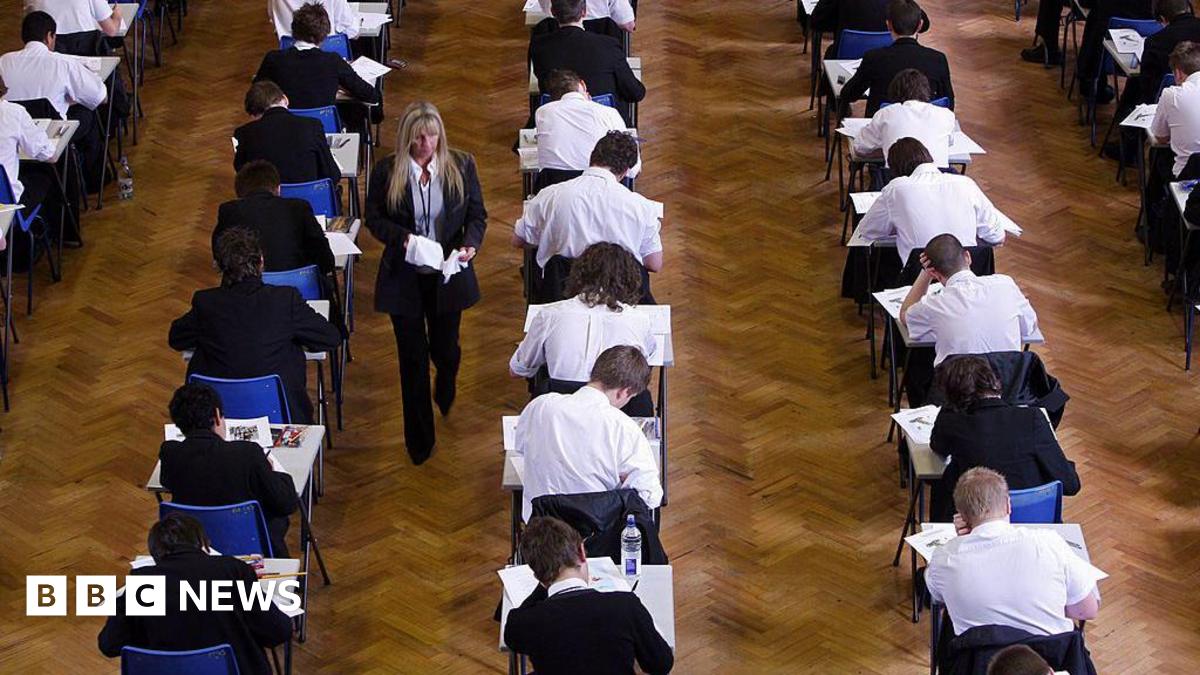
Sir Ian Bauckham, chief regulator of England’s exams watchdog Ofqual, warned of a rise in high-tech cheating using devices like smart glasses, hidden earpieces, and pens with built-in screens during GCSE and A-level exams. Last year, mobile phones and smart devices accounted for 44% of all student malpractice cases, with 545 students disqualified from qualifications and 1,240 cases resulting in lost marks.
England’s exams regulator, Ofqual, has raised concerns over increasing high-tech cheating in GCSE and A-level exams, with over a million pupils taking tests this summer. Sir Ian Bauckham, Ofqual’s chief regulator, highlighted the use of covert devices such as smart glasses displaying hidden text, disguised earpieces, and pens with embedded screens. These tools are being marketed online specifically for cheating, according to Bauckham, who noted that schools have reported growing attempts to exploit such technology. Data from Ofqual shows mobile phones and smart devices were involved in 2,225 cases last summer, making up 44% of all malpractice incidents. Of these, 545 cases led to students being disqualified from some or all of their qualifications, while 1,240 resulted in lost marks. Bauckham emphasized that severe penalties, including the loss of all A-level grades, can have life-altering consequences for students caught cheating. While the majority of students adhere to exam rules, Bauckham acknowledged a persistent minority determined to subvert the system. To combat this, Ofqual is providing training for invigilators and exam officers to identify suspicious devices and behavior. The regulator also warned students that detection rates are high, with severe sanctions applied for those caught. The rise in sophisticated cheating methods reflects broader concerns about the integration of smart technology in educational settings. Bauckham stressed that the probability of being caught remains significant, urging students to avoid attempting to gain an unfair advantage.
This content was automatically generated and/or translated by AI. It may contain inaccuracies. Please refer to the original sources for verification.