Explainer: What is El Niño and how it might impact New Zealand's weather
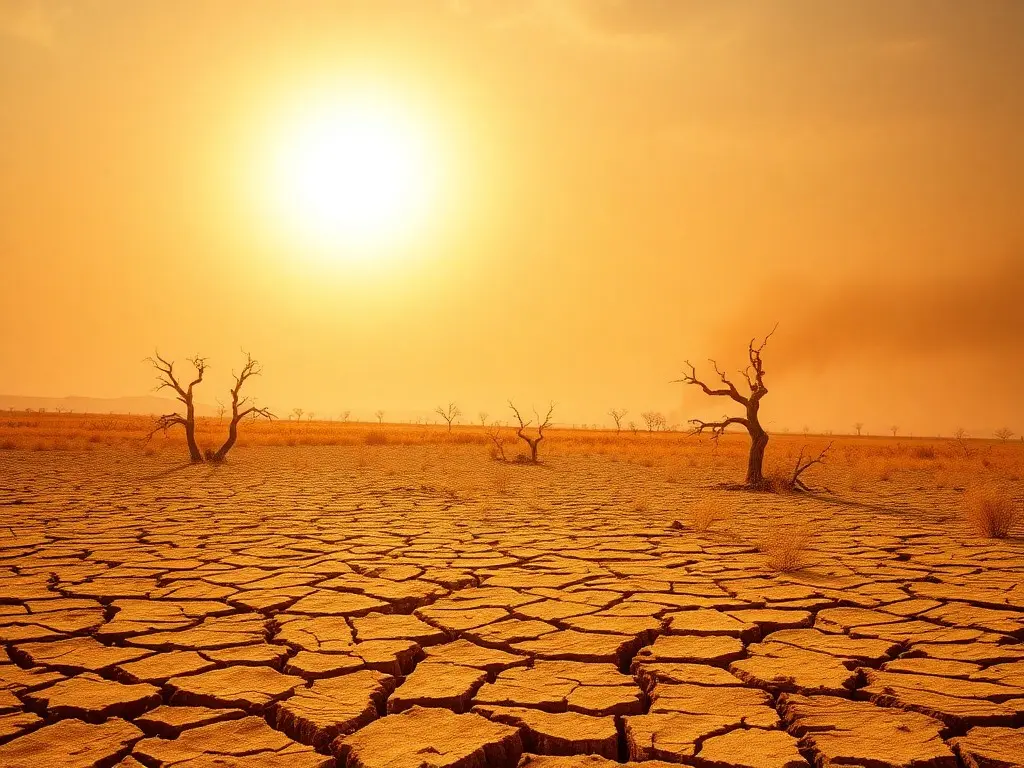
Earth Sciences New Zealand predicts a 95% chance of El Niño conditions from June to August 2026, warning of drier, hotter, and windier weather for New Zealand. The phenomenon, following La Niña’s wet influence, may reduce rainfall in the North Island and parts of the South Island, increasing drought and heatwave risks during spring and summer.
New Zealand’s Earth Sciences New Zealand (ESNZ) has issued a seasonal climate outlook indicating a 95% probability of El Niño conditions developing between June and August 2026, exceeding the United Nations’ World Meteorological Organisation’s 80% forecast. El Niño, characterized by warmer ocean waters off South America and weakened trade winds, typically brings drier, hotter, and windier conditions to New Zealand, reversing the wet patterns left by the fading La Niña cycle. El Niño occurs when eastern Pacific waters warm above average, shifting rainfall patterns globally and raising air temperatures. In New Zealand, this often results in stronger westerly winds in summer and southerly winds in winter, altering precipitation and temperature trends. ESNZ notes that while each El Niño event varies, the current outlook suggests reduced rainfall for the North Island and parts of the South Island, with drought and heatwave risks increasing as spring and summer progress. The transition from La Niña—marked by cooler eastern Pacific waters and increased rainfall—has already influenced New Zealand’s weather, contributing to recent flooding. However, ESNZ’s forecast warns of a shift toward drier conditions, particularly in the North Island’s western regions and the South Island’s northern areas. Principal forecasting scientist Chris Brandolino emphasized that while El Niño reduces rainfall, it also heightens the likelihood of extreme heat events. The UN has separately cautioned about global impacts, including heightened extreme heat risks linked to El Niño. New Zealand’s climate outlook aligns with these warnings, with ESNZ predicting near-normal or below-normal rainfall for June-August 2026. Brandolino noted that while summer rainfall may decrease, the potential for hot days and drought conditions will likely rise, marking a significant shift from the wet conditions experienced earlier in the year.
This content was automatically generated and/or translated by AI. It may contain inaccuracies. Please refer to the original sources for verification.