Extreme weather comes for youth sports
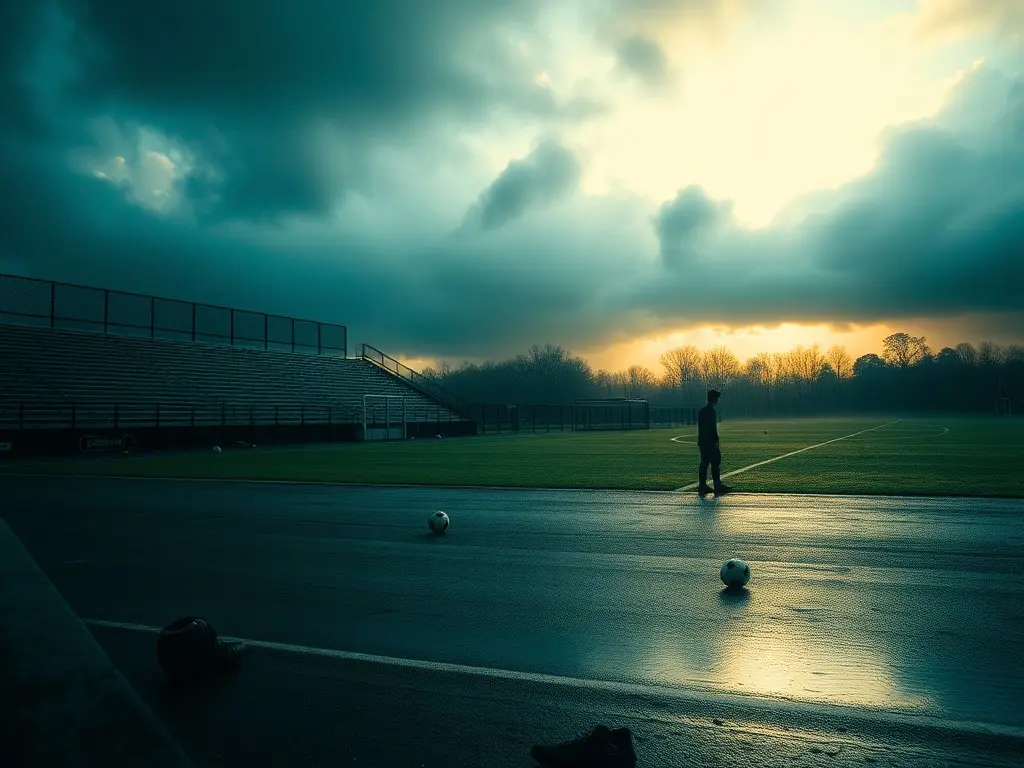
A survey by the Aspen Institute found U.S. parents reported their children missed an average of seven days of youth sports in 2024 due to extreme weather conditions like heat, wildfire smoke, and flooding. Experts warn community sports programs, which serve lower-income families, struggle to recover from weather-related disruptions, limiting access to athletics for many kids as climate change worsens.
A survey conducted by the Aspen Institute reveals that extreme weather is increasingly disrupting youth sports across the United States. Parents reported their children missed an average of seven days of practices and competitions in 2024 because of conditions like extreme heat, wildfire smoke, heavy rain, and storms. These disruptions threaten equipment, fields, and facilities, making it unsafe or impossible to play. Jessica Murfree, an assistant professor in the department of exercise and sport science at the University of North Carolina at Chapel Hill, notes that while professional and college teams can often recover quickly, youth sports programs lack the resources to rebuild or relocate after extreme weather events. Community-based programs, which provide affordable access to athletics, are particularly vulnerable. The survey highlights how climate change is reducing opportunities for kids to participate in sports. Flooded fields, damaged equipment, and unsafe air quality from wildfires force cancellations, leaving many children without the chance to play or compete. Murfree emphasizes that these challenges disproportionately affect lower-income families who rely on community programs for athletic access. As temperatures rise and weather patterns grow more unpredictable, the long-term impact on youth sports could be significant. Without better resources or adaptations, many children may face fewer opportunities to stay active through organized sports.
This content was automatically generated and/or translated by AI. It may contain inaccuracies. Please refer to the original sources for verification.