Extreme weather monitoring beefed up
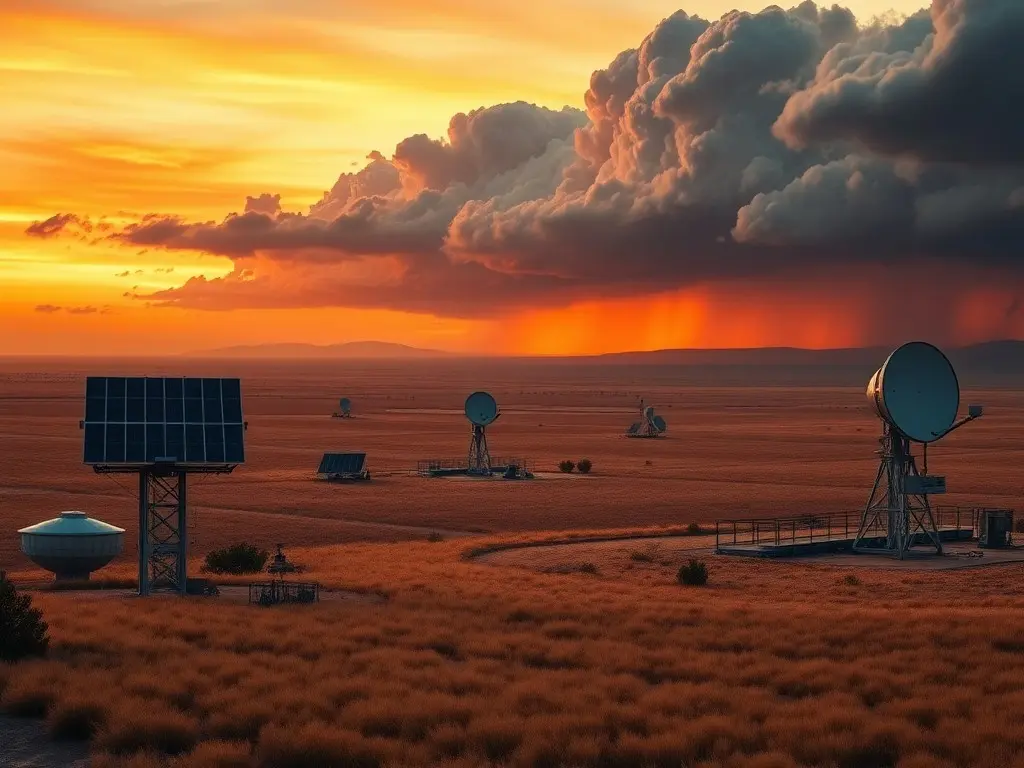
China expanded its climate observation network with six new Fengyun satellites, 842 weather radars, and over 100,000 ground stations to combat worsening extreme weather, while 2025 saw record droughts and temperatures. The Ministry of Ecology and Environment reported increased severe convective events and pledged upgrades to climate resilience by 2035.
China has strengthened its climate monitoring capabilities to address escalating extreme weather, launching six Fengyun meteorological satellites during the 14th Five-Year Plan (2021–25). These satellites now serve 133 countries, while an upgraded radar network of 842 stations covers over 90% of populated areas with an 83% accuracy rate in detecting severe weather. The country has deployed over 100,000 ground meteorological stations, nine atmospheric baseline stations, and 27 national climate observatories, including its first overseas station in Antarctica. Hydrological monitoring stations across government departments total 137,000, enhancing data collection for climate adaptation. In 2025, China faced 40 regional severe convective weather events—above the five-year average—along with record gale-force winds and droughts in Anhui, Jiangsu, and Guangxi. The national average temperature hit 10.9°C, 1°C above the long-term average and tied with 2024 as the highest on record. At a National Low-Carbon Day event in Nanning, Liu Yang, deputy head of the Ministry of Ecology and Environment’s Department of Climate Change, announced plans to accelerate upgrades to China’s climate adaptation framework. The goal is to build a climate-resilient society by 2035, improving observation, assessment, and disaster mitigation mechanisms. The expanded monitoring system reflects China’s response to increasingly volatile weather patterns, including frequent extreme heat and droughts. The Ministry’s report highlights progress under the 14th Five-Year Plan while emphasizing the need for sustained investment in climate resilience.
This content was automatically generated and/or translated by AI. It may contain inaccuracies. Please refer to the original sources for verification.