FAA unveils new air traffic controller hiring plan after chief warned system was ‘chronically understaffed’
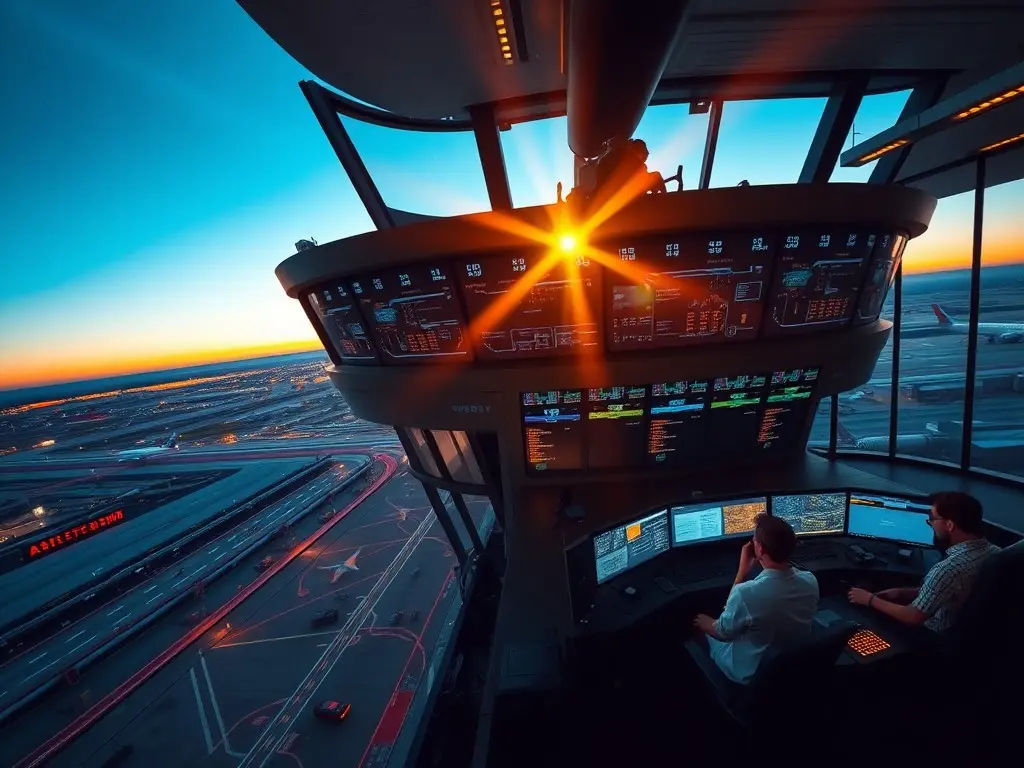
The Federal Aviation Administration (FAA) released a 2026-2028 workforce plan to hire 8,900 new air traffic controllers by 2028, modernize scheduling systems, and replace aging infrastructure amid chronic understaffing and excessive overtime. The plan follows warnings from FAA Administrator Bryan Bedford that current staffing levels are unsustainable and aims to address safety concerns linked to rising travel demand and recent airport disruptions.
The Federal Aviation Administration (FAA) introduced a new workforce plan on Friday targeting a hiring surge of 8,900 air traffic controllers by 2028 to address severe staffing shortages and aging infrastructure. The 2026-2028 Air Traffic Controller Workforce Plan sets a full staffing target of 12,563 certified controllers, with roughly 11,000 currently deployed across over 300 facilities. An additional 4,000 controllers are in training, including 1,000 previously certified professionals undergoing re-training. The plan acknowledges excessive overtime—peaking in fiscal years 2023–2025—has led to controller fatigue and burnout, while manual scheduling systems remain outdated. The FAA will hire 2,200 new controllers in 2026, 2,300 in 2027, and 2,400 in 2028, alongside partnerships with universities and technical schools to streamline recruitment. Certification for new hires can take over two years, depending on facility complexity. FAA Administrator Bryan Bedford warned in December that current staffing levels were unsustainable, stating the system was 'chronically understaffed.' The plan follows recent airport disruptions and safety concerns, with Bedford emphasizing the need for modernized tools and hiring practices. The agency also plans to automate scheduling and timekeeping processes to reduce administrative burdens. The initiative aims to align with growing travel demand while improving safety, though full implementation will require significant time and resources. The plan reflects broader efforts to modernize air traffic control infrastructure, including potential AI-driven solutions to mitigate delays and enhance operational efficiency.
This content was automatically generated and/or translated by AI. It may contain inaccuracies. Please refer to the original sources for verification.