Factories face soaring costs as Iran war causes supply shocks
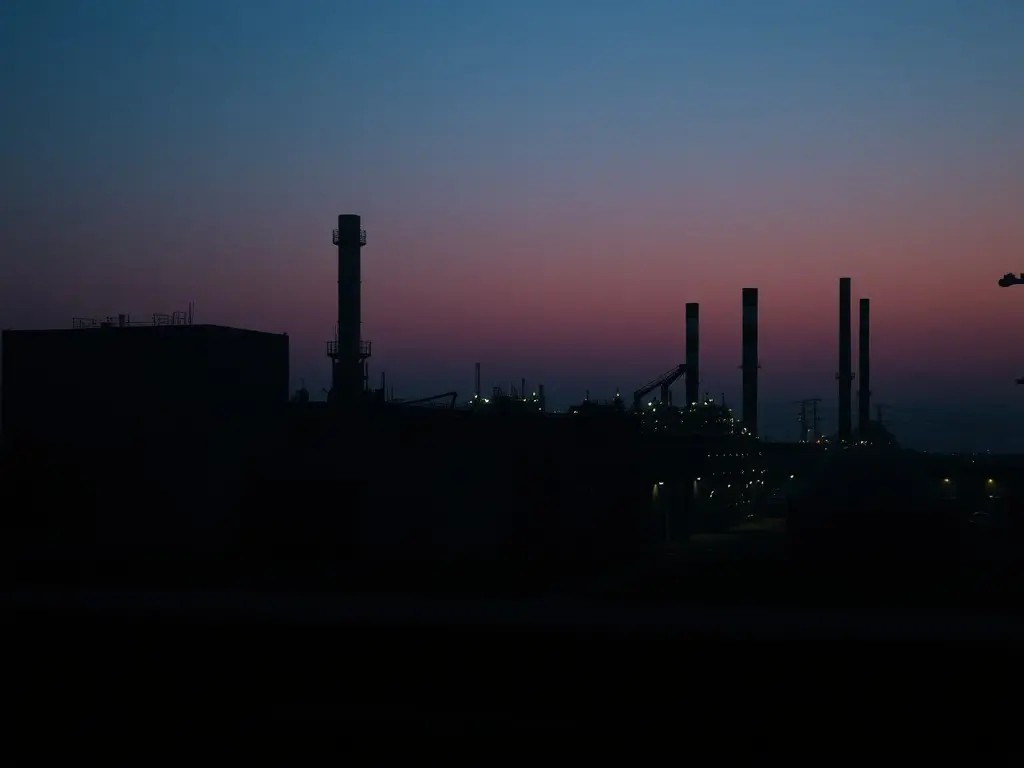
The U.S.-Israeli conflict with Iran has disrupted global trade and energy supplies, causing European factories to face rising raw material costs and suppressed demand, while Asian manufacturers expanded activity due to stockpiling efforts. Surveys show Eurozone manufacturing PMI fell to 51.6 in May, while Asian economies like China, South Korea, and Japan saw growth despite higher input costs linked to the conflict.
The escalating conflict between the U.S., Israel, and Iran has triggered economic disruptions, particularly in Europe, where factories reported soaring raw material costs and weakened demand in May. S&P Global’s Eurozone Manufacturing PMI dropped to 51.6, signaling slower growth after four consecutive months of expansion, with Germany’s sector stalling and France experiencing its first contraction since November. Rising energy prices, exacerbated by tensions in the Strait of Hormuz—a critical oil and gas route—have intensified inflationary pressures, prompting the European Central Bank to consider further interest rate hikes. Meanwhile, Asian manufacturers have buffered against potential disruptions by accelerating production. China’s private sector PMI remained above 50 for a sixth straight month, though official data showed factory activity stalled due to falling new orders and climbing input costs. South Korea’s PMI hit a five-year high at 54.8, reflecting firms’ efforts to secure supplies, while Japan’s manufacturing sector expanded despite the sharpest rise in input costs since September 2022. Vietnam, Taiwan, and the Philippines also reported growth in factory activity, with PMIs rising above 50. The conflict’s impact extends beyond manufacturing, as global energy supplies face strain. The International Energy Agency, IMF, World Bank, and WTO have warned that the war risks exacerbating shortages, further destabilizing markets. European manufacturers are particularly vulnerable, with British factories raising prices at the fastest rate since June 2022 to offset surging costs. Economists expect inflation in the Eurozone to remain elevated, complicating the ECB’s efforts to curb price pressures. While Europe grapples with slowing demand and higher costs, Asia’s proactive stockpiling has helped sustain growth. However, rising input prices across the region signal long-term challenges, particularly if the conflict persists. The disparity between European contraction and Asian expansion underscores the uneven global economic response to geopolitical tensions, with supply chain disruptions and energy volatility remaining key concerns.
This content was automatically generated and/or translated by AI. It may contain inaccuracies. Please refer to the original sources for verification.