Fast Fashion's Hidden Cost Exposed
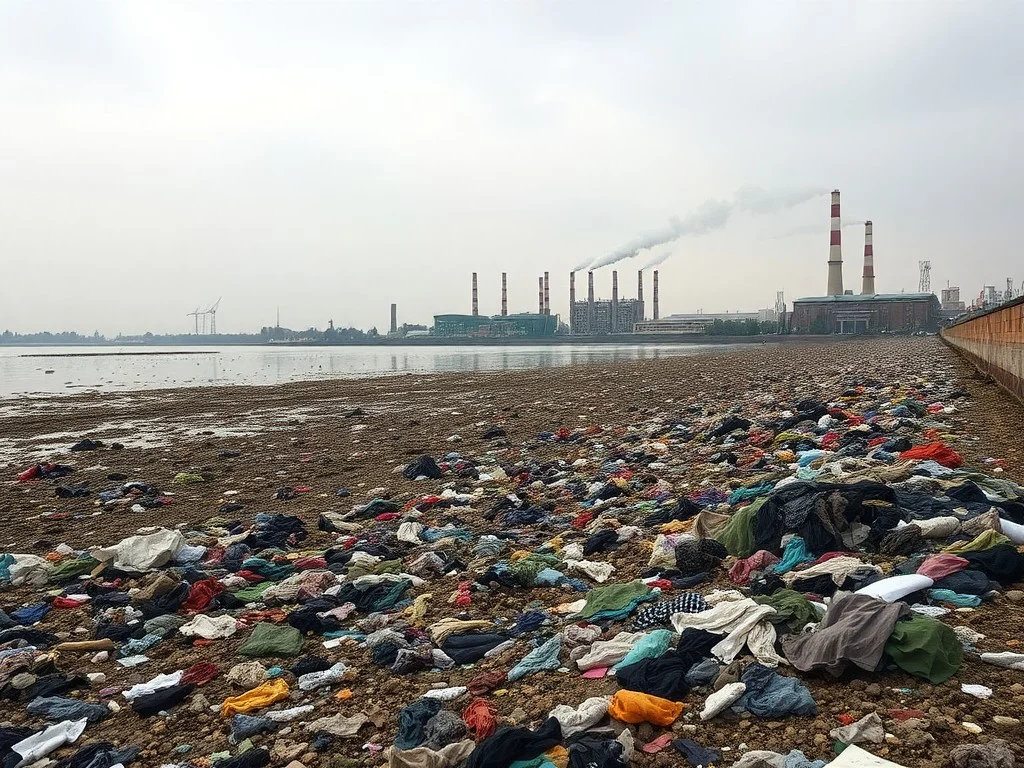
A recent Greenpeace Germany investigation exposes the hidden costs of fast fashion, including environmental and health damage, as well as exploitative labor practices. The fashion industry is responsible for up to 10% of global carbon emissions annually, with fast fashion consumption having a significantly higher carbon footprint than traditional fashion.
Fast fashion refers to the rapid mass production of cheap, low-quality clothing. Brands like Zara, H&M, and online retailers ASOS and Fashion Nova churn out huge volumes of trend-based clothing at low prices. The environmental and health costs of fast fashion are severe, including extreme resource use, pollution, and microplastic contamination. Fast fashion garments often contain hazardous chemicals linked to cancer and other health problems. The fashion industry is responsible for up to 10% of global carbon emissions annually. Fast fashion also has a significant impact on the Global South, with discarded clothes from the UK and Europe ending up in protected wetlands and causing environmental and public health damage in countries like Ghana.
This content was automatically generated and/or translated by AI. It may contain inaccuracies. Please refer to the original sources for verification.