FBI flags ‘anti-tech extremism’ as AI opposition grows
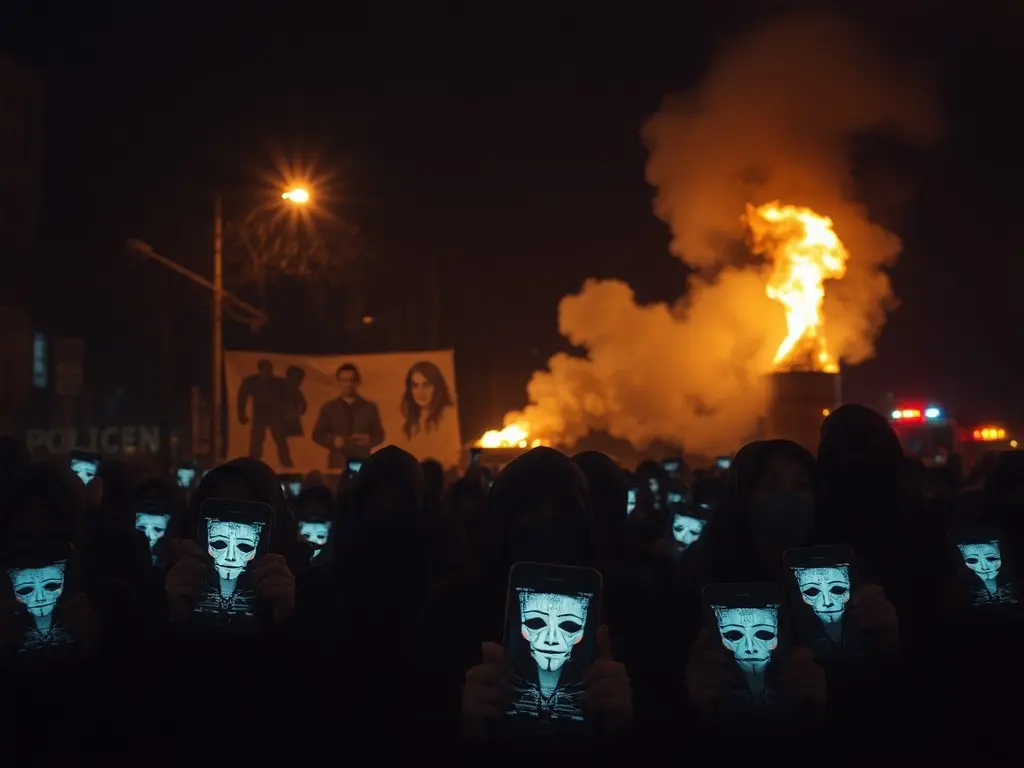
The FBI and Department of Homeland Security have begun tracking 'anti-tech extremism' as a domestic threat, citing protests and potential violent backlash against AI expansion, while critics warn the classification could target peaceful dissenters. Recent incidents, including a Molotov cocktail attack on OpenAI CEO Sam Altman’s home and a shooting near an Indianapolis city council member’s residence, have heightened concerns among law enforcement agencies.
Federal law enforcement agencies in the U.S. are now monitoring 'anti-tech extremism' as a growing domestic threat, according to over 1,000 pages of unpublished reports obtained through public records requests. The FBI and Department of Homeland Security (DHS) have identified organized opposition to AI as a potential source of civil unrest, with one New York report warning of possible violent activity in major cities over the next five years. The classification of 'anti-tech extremism' is new and not defined in existing public DHS or FBI guidelines, raising concerns among civil liberties advocates that peaceful protesters or critics of AI could be unfairly targeted. The shift in focus follows President Donald Trump’s National Security Presidential Memo 7, which directs agencies to address organized political violence and ideologies deemed 'anti-American.' Critics argue the broad language risks criminalizing dissent, as historical intelligence reports have often framed protest as a precursor to violence. Spencer Reynolds, a lawyer with the NAACP Legal Defense Fund, highlighted this risk, stating that the definition is so expansive it could ensnare anyone opposing AI’s rapid expansion. The government’s concerns are not unfounded, as recent incidents have escalated tensions. In April, a 20-year-old suspect threw a Molotov cocktail at the San Francisco home of OpenAI CEO Sam Altman and threatened to burn down the company’s headquarters, carrying a manifesto targeting AI executives. Days earlier, an unidentified individual fired 13 shots near the home of an Indianapolis city council member involved in discussions about AI-related zoning issues. Both incidents have drawn attention from law enforcement, prompting a closer examination of anti-tech sentiment. Beyond isolated acts of violence, broader public frustration is fueling opposition. Rural communities are resisting data center expansions, workers fear job displacement by automation, and rising electricity costs—driven by AI infrastructure—are straining local budgets. While Wall Street has largely embraced AI’s financial potential, with companies like Nvidia, Microsoft, Alphabet, Amazon, and Meta investing heavily, the backlash reflects deeper anxieties about technology’s societal impact. The FBI and DHS have begun sharing intelligence through regional fusion centers to coordinate responses, though the lack of clear definitions for 'anti-tech extremism' leaves room for interpretation. Civil liberties groups warn that overreach could stifle legitimate debate, while law enforcement agencies argue the measures are necessary to prevent escalation. The debate over how to classify and address anti-tech sentiment remains unresolved, with stakeholders divided over balancing security concerns with freedom of expression.
This content was automatically generated and/or translated by AI. It may contain inaccuracies. Please refer to the original sources for verification.