Federal Reserve Vice Chair Jefferson talks inflation, AI, and trade disruptions at Bank of Japan conference
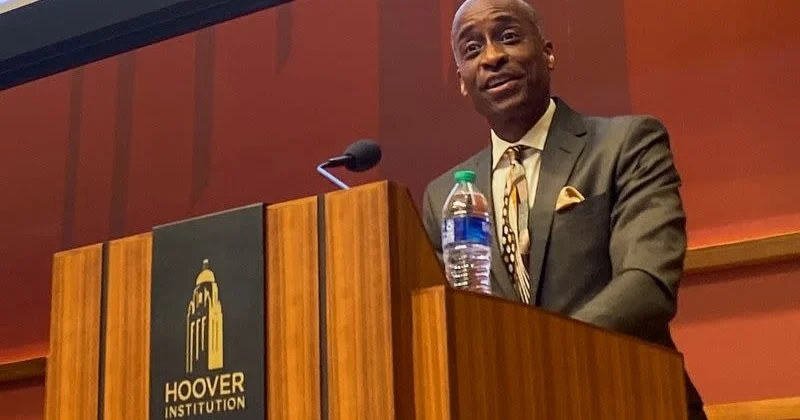
Federal Reserve Vice Chair Philip N. Jefferson addressed global economic challenges at the Bank of Japan’s 2026 conference, emphasizing energy price volatility, AI’s impact on productivity and inflation, and trade disruptions as key risks to U.S. growth and price stability. His remarks, delivered alongside ECB official Philip R. Lane, reflect the Fed’s ongoing focus on modeling economic shifts rather than assuming optimistic outcomes, while cryptocurrency was notably absent from the discussion.
Federal Reserve Vice Chair Philip N. Jefferson spoke at the Bank of Japan Institute for Monetary and Economic Studies’ 2026 conference in Tokyo on May 28, discussing global economic pressures including energy price shocks, artificial intelligence, and trade disruptions. The event, titled ‘Monetary Policy from New Perspectives,’ highlighted interconnected risks to U.S. inflation and growth, aligning with Jefferson’s prior speeches on AI (November 2025), supply-side inflation (February 2026), and energy effects (March 2026). His participation, alongside European Central Bank executive board member Philip R. Lane, underscored the Fed’s focus on consolidating these issues into a unified narrative about global uncertainty. Jefferson reiterated concerns about energy volatility, which he previously addressed in March, signaling the Fed’s continued vigilance on price stability risks tied to commodity markets. He also explored AI’s potential to reshape productivity, labor markets, and inflation dynamics, suggesting the Fed is actively modeling both optimistic and pessimistic scenarios rather than assuming a single outcome. The absence of cryptocurrency from the discussion was notable, reflecting the Fed’s current prioritization of traditional economic indicators like inflation and trade over digital assets. Analysts recommend monitoring commodity markets and inflation expectations as leading indicators, given the Fed’s emphasis on these areas ahead of future policy decisions. Jefferson’s remarks align with broader Fed efforts to address persistent inflation risks, particularly those linked to energy and AI-driven disruptions. His appearance at the Bank of Japan conference reinforced the central bank’s global perspective on monetary policy challenges, particularly as energy and technological shifts reshape economic stability.
This content was automatically generated and/or translated by AI. It may contain inaccuracies. Please refer to the original sources for verification.